
Photography Safety Tips for Capturing Moments on the Holston Tailrace
The Holston Tailrace invites photographers to capture the power and beauty of a river that never stands still. Combining thrilling river views with a manageable hike, it’s an ideal spot for both seasoned shutterbugs and casual nature lovers seeking vivid moments safely.
Wear Appropriate Footwear
Opt for sturdy trail shoes with excellent grip to navigate slippery rocks and muddy patches along the riverbank safely.
Protect Your Gear From Water
Use waterproof cases or bags for cameras and keep lens cloths handy to quickly dry spray or wet surfaces.
Stay Back From River Edges
Wet rocks near the Holston's edge can be unstable; zoom lenses help capture close shots without risking your footing.
Check Weather and River Conditions
Rapid changes in water flow after rainstorms increase hazards; plan your visit when conditions are stable and safe.
Photography Safety Tips for Capturing Moments on the Holston Tailrace

Holston Proper Float
For all ages! • 4/8 Hours • A Premier Smallmouth Haven with Diverse Species and Epic Fly Fishing!
Fish the Holston tailrace in Tennessee for trophy smallmouth bass and diverse species. Experience strong currents and scenic river terrain perfect for fly fishing lovers.
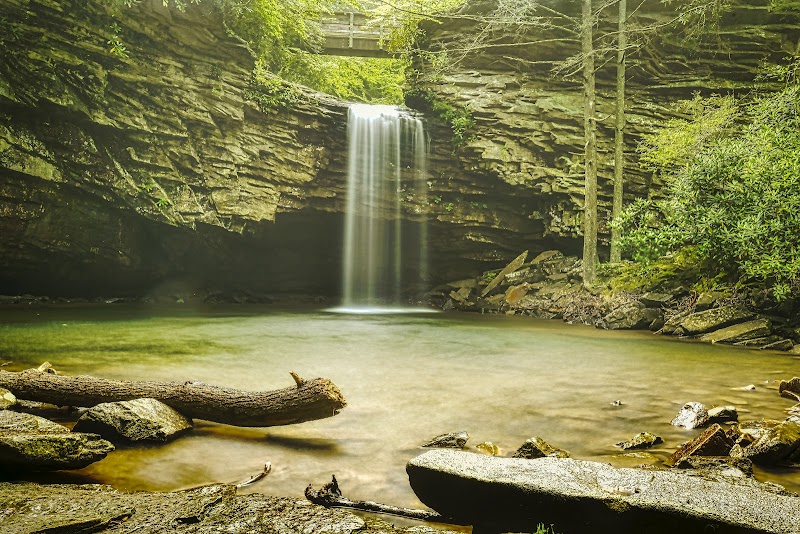
The Holston Tailrace offers photographers a unique opportunity to capture the raw force of the Holston River as it flows swiftly between forested banks and rocky outcrops. This dynamic setting insists on vigilance; the river’s currents dare you to get close, but practical safety measures are vital for any adventure.
The trail to ideal photo spots spans roughly 3 miles round trip, with a moderate elevation gain of around 400 feet. You’ll traverse gravel and packed earth paths, winding through spruce and oak trees whose branches seem to lean toward the water, as if eager to frame your shot. The terrain can get slick near the waterline, reminding you that nature here is fiercely itself—unchanging and unapologetic.
Start your hike early to catch the golden hour when sunlight spills over the ripples, revealing textures in the rushing water and illuminating moss-covered stones. Mid-day light, though harsher, works well for high-speed captures of water splashing against boulders. Always wear sturdy hiking shoes with good traction; wet rocks and muddy banks are slippery underfoot and can easily turn a photo outing into an emergency.
Hydration and weather readiness are non-negotiable. The Appalachian foothills can shift from warm sun to sudden rainstorms, so pack a waterproof cover for your camera gear and a light rain jacket. Keep your electronics safe in sealed bags, and consider a lightweight tripod with rubber feet for stability on uneven surfaces.
Safety means staying alert to river conditions. The tailrace’s currents push fiercely, especially after rains upstream, and river levels can change quickly. Avoid going too close to the edge; rocks near the flow are often slick and unstable. Using a zoom lens not only preserves your lenses from spray damage but also keeps you out of harm’s way. Inform someone of your planned route and expected return time.
Photography here is as much about respect for the environment as technical skill. The river and forest are both your subjects and your setting—each element plays its part. When you pause for shots, listen for the river’s roar, the rustle of leaves, and the call of local birds. They’re part of the experience, reminding you nature is alive, present, and constantly in motion.
With preparation, the Holston Tailrace rewards you with compelling images and a memorable, safe connection to one of Tennessee’s spirited waterways.
Nearby Trips
All Adventures
Boat Charters
Water Activities
Adventures near Kingsport
Discover the unique and memorable adventures that make Kingsport special.
Frequently Asked Questions
What is the best time of day for photography on the Holston Tailrace?
Early morning and late afternoon provide the softest light and the best angles for capturing the river's movement and the surrounding forest's colors.
Are there any hazardous wildlife to be aware of?
While mostly peaceful, the area is home to black bears and venomous snakes. Stay alert, give animals space, and avoid surprise encounters by making noise periodically while hiking.
Is it possible to access the river for closer shots?
Yes, but approach the riverbanks cautiously. Rocks can be slick, and currents are strong. Use zoom lenses to reduce risk and never venture onto wet rocks alone.
How difficult is the terrain for casual hikers?
The trail is moderate, with some rocky and uneven sections. Good footwear and a reasonable fitness level are recommended for a safe and enjoyable visit.
Are there any lesser-known viewpoints worth exploring?
A small clearing about a mile upstream offers a quieter vantage with a unique perspective of the river's curves and the play of sunlight through the trees.
What environmental considerations should photographers observe here?
Stick to established trails to protect vegetation and avoid disturbing wildlife. Pack out all trash and minimize noise to preserve the natural atmosphere.
Recommended Gear
Waterproof Camera Bag
Keeps camera equipment safe from splash and rain, crucial near riverbanks.
Sturdy Hiking Shoes
Provides grip and ankle support on the variable, often slippery terrain.
Lightweight Tripod with Rubber Feet
Stabilizes the camera on uneven ground without slipping on wet rocks.
Water Bottle and Snacks
Maintains hydration and energy during the moderately strenuous hike.
Local Insights
Hidden Gems
- "The upstream clearing at mile 1 for expansive river views"
- "A moss-covered fallen log near the southern bank perfect for macro and nature detail shots"
Wildlife
- "White-tailed deer frequently cross the trail in early morning"
- "Wood ducks and kingfishers are common along the waterline"
History
"The Holston Tailrace was historically a crucial path for logging operations in the early 1900s and later became part of hydropower developments shaping the region’s growth."