Mastering the Timing: Spotting Brown Bears in Katmai and Lake Clark
For those ready to witness the raw power of brown bears in Alaska, timing your visit to Katmai and Lake Clark National Parks is key. Discover when and where these magnificent creatures gather, along with practical guidance to help you safely plan your trip and maximize bear viewing opportunities.
Time Your Visit Around Salmon Runs
Plan trips between mid-July and September to coincide with peak salmon runs, the most active bear feeding period, for optimal sightings.
Pack Layered, Weather-Ready Clothing
Alaska’s weather shifts quickly; bring waterproof boots, rain gear, and insulating layers to stay dry and comfortable during your hike.
Carry and Use Binoculars
Keep a safe distance from bears to avoid disturbing them, using binoculars to observe while maintaining respectful distance.
Start Early, Stay Alert
Bears are most active in the mornings and late afternoons; plan hikes accordingly and remain vigilant throughout for sudden wildlife activity.
Mastering the Timing: Spotting Brown Bears in Katmai and Lake Clark

Bear View Tours
Ages 7+ • 6 Hours • Up to 4 Passengers • Max Total Weight: 600lbs
Discover the thrill of Alaskan fishing with a private tour in Homer. With expert guides, stunning scenery, and abundant fish, this experience promises unforgettable moments in the wilderness.
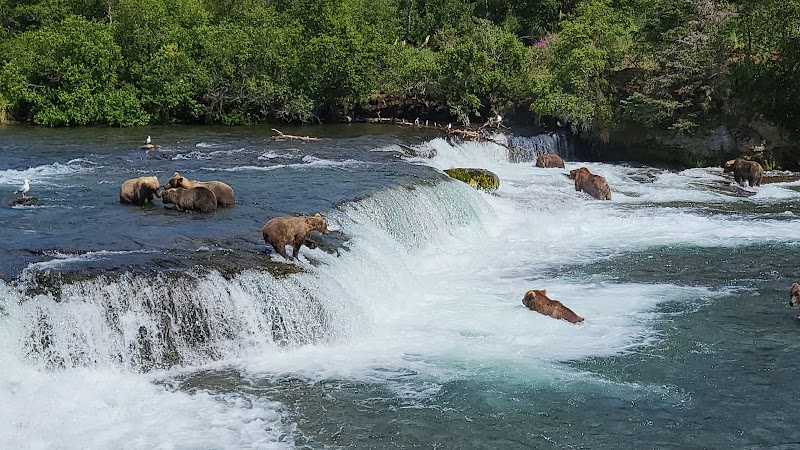
If you’re heading to Alaska’s Katmai and Lake Clark National Parks, timing your visit for brown bear sightings can transform a good trip into an unforgettable encounter. Brown bears, fierce yet focused creatures, gather mostly where the land meets the water, turning spawning salmon streams into feeding grounds they fiercely defend. Your best vantage points often hug riverbanks or overlook estuaries where nature’s drama unfolds daily.
Katmai’s Brooks River and Lake Clark’s Silver Salmon Creek are the prime spots. Here, bears gather in late summer and early fall, roughly from mid-July through September, when salmon runs peak. This window offers the most reliable bear activity. By late spring into early summer, bears are emerging hungry but less concentrated, ranging broadly across the landscape seeking vegetation and early fish runs. Come late fall, the bears begin retreating to dens, their movements more sparse.
Terrain in these parks is rugged but accessible, with trails typically ranging between 3 to 5 miles round trip and modest elevation gains (usually under 500 feet) — enough to keep you engaged without overexertion. Forested paths, dense with spruce and alder, frame your approach, before opening to sweeping river views where bears often fish with surprising patience. The rivers themselves are deceptively lively, with cold currents urging you forward yet demanding respect.
Prepare for changeable weather: layered clothing, sturdy waterproof boots, and rain gear are essential. Hydration matters; remote locations mean water sources are nearby but always treat water before drinking. Using binoculars improves your viewing distance without disrupting bear behavior—keeping safety the priority.
Bear viewing is not passive. It demands patience and awareness. Be ready for early mornings and late afternoons when bears are most active. Rangers often recommend quiet observation, avoiding sudden movements or noises, which can startle bears and reduce your chances of sightings.
Respect the wild’s rhythm—bears are fiercely themselves, and your presence must be gentle and cautious. With timing and preparation, you’ll witness a spectacle of nature that balances wild majesty with fragile coexistence, offering one of the most direct lines to the raw Alaskan wilderness.
Nearby Trips
All Adventures
Boat Charters
Water Activities
Adventures near King Salmon
Discover the unique and memorable adventures that make King Salmon special.
Frequently Asked Questions
When is the best time of day to see brown bears in Katmai and Lake Clark?
Early mornings and late afternoons are when bears actively fish and forage along riverbanks, offering the best chances for spotting them while avoiding midday heat and human crowds.
Are there specific trailheads or viewpoints recommended for bear sightings?
Brooks Falls in Katmai and the viewpoint near Silver Salmon Creek at Lake Clark provide established, safe platforms to observe bears without intruding on their space.
What safety measures should hikers take when near bears?
Keep a safe distance of at least 100 yards, move quietly, never approach the animals, and carry bear spray as a precaution. Follow all park guidelines and ranger advice.
How can I prepare for changing weather conditions on these hikes?
Bring layered clothing, waterproof gear, and check weather reports daily. Sudden rain or wind can alter trail safety and comfort quickly.
Are there quieter seasons or locations within these parks for a more private experience?
Spring and late fall have fewer visitors and dispersed bears, offering more solitude, although sightings may be less frequent.
Can you hike independently or do you need a guided tour for bear viewing?
Both options exist. Independent hiking is allowed with strict safety protocols, while guided tours provide expert knowledge, transportation, and enhanced safety.
Recommended Gear
Waterproof Hiking Boots
Protect your feet from wet and uneven terrain, essential year-round in these Alaskan parks.
Layered Clothing System
Variable temperatures and rain demand adaptable clothing including base, insulating, and outer waterproof layers.
Binoculars
Essential for safe, distant viewing of brown bears without disturbing them.
Insect Repellent
July and August bring swarms of mosquitoes; repel them effectively to enjoy your time outdoors.
Local Insights
Hidden Gems
- "Upper River Trail in Katmai offers less crowded views of salmon spawning grounds."
- "Lake Clark’s Hidden Falls trail provides secluded wilderness and occasional bear sightings away from main access points."
Wildlife
- "Look for eagles and otters feeding alongside brown bears, creating dynamic predator-prey interactions at the water’s edge."
- "Moose also frequent these parks, especially in spring and early summer."
History
"Katmai and Lake Clark have long histories as indigenous hunting and fishing grounds; contemporary practices honor these traditions with a focus on conservation and sustainable wildlife interaction."