
For advanced wave riders, Maui offers an exhilarating and challenging surf experience shaped by powerful swells, dynamic winds, and complex reef breaks. This guide breaks down the essential conditions and local nuances, helping you prepare for the island’s fiercest waves with practical insight and precise knowledge.
Monitor Multiple Surf Forecasts
Cross-check local surf reports and wind forecasts to anticipate wave size and conditions. Websites like Surfline and Magicseaweed are invaluable.
Arrive Early for Optimal Conditions
Morning sessions typically offer calmer winds and cleaner waves, especially on Maui’s East and South shores.
Understand Reef and Tide Interactions
Maui’s reef breaks change wave shape dramatically; timing your session with the appropriate tide can make the difference between a great ride and dangerous conditions.
Stay Physically Prepared
Strong paddling ability and breath control are crucial. Expect powerful currents and big wipeouts, so conditioning is key.
Mastering Maui’s Surf: A Guide to Advanced Wave Riding Conditions
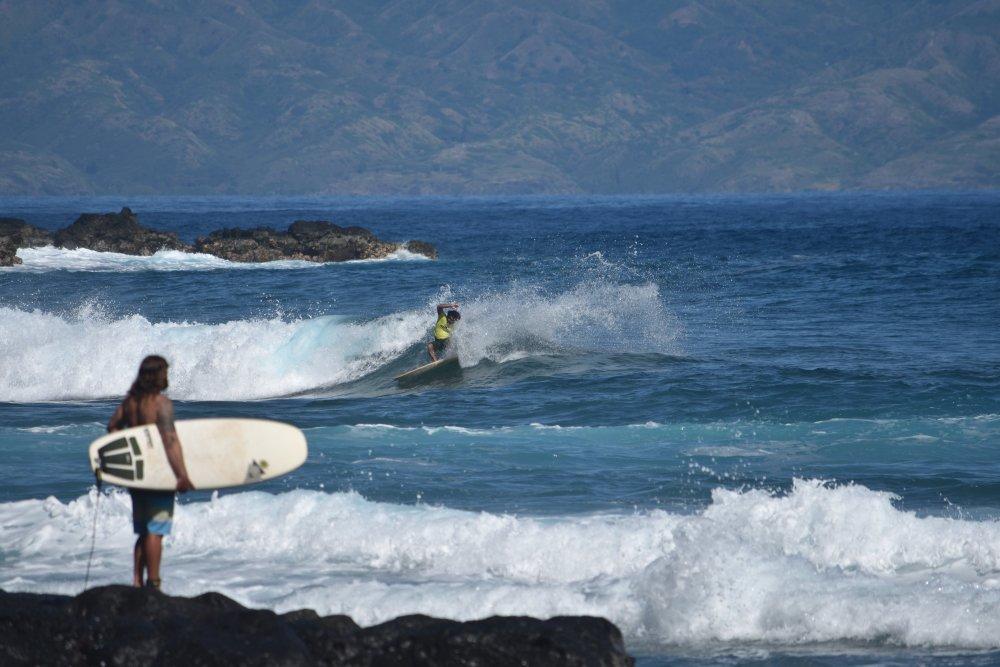
Surfari
3 Hour Surfing Tour • For intermediate & advanced surfers
Ready to ride the waves in Maui? Join Action Sports Maui's private Surfari for a personalized surf adventure that caters to all skill levels. Discover hidden surf spots, improve your technique, and soak up stunning coastal views on this exclusive trip.
Maui holds a reputation among wave riders as a realm where the ocean is both partner and challenger. For advanced surfers, understanding its surf conditions is more than a matter of timing—it's a study in respect, skill, and constant adaptation. Here, waves have personalities: some tease from a distance, others charge headlong with fierce intent, each shaped by Maui’s shifting winds, currents, and underwater contours.
The North Shore, around Peʻahi (Jaws), demands full attention—the swell can climb well over 30 feet during winter months. This isn’t casual ocean play, but a high-stakes interaction with Pacific power. Peaks form along deep underwater reefs that push waves up fast, sculpting hollow tubes that test even the most skilled riders. The currents here aren't passive—they tug and swirl unpredictably, requiring both strength and strategy to navigate effectively.
Moving to the South Shore, spots like Kihei offer smaller, more manageable waves that still challenge an experienced surfer with swift shore breaks and shifting tide patterns. The sea floor here is mostly sandy, which changes wave shape and breaks differently than the reef-heavy North side. Riders often find that timing the tide with the afternoon trades elevates the ride, as winds soften and the waves settle into cleaner lines.
East Maui brings a blend of trade wind-driven conditions, featuring consistent swell but often choppier surfaces. For surfers scouting Hana's coast, understanding local wind patterns is key; the waves can settle into powerful rides early in the morning before the onshore breeze kicks in. Here, the waves reward those who read the ocean’s subtle changes carefully.
Preparation is everything. Advanced riders should check multiple swell sources and wind forecasts. Seasonal shifts dictate not just wave size but also water temperature and wind direction. Wearing a wetsuit is rare but sometimes necessary in winter’s chillier early mornings. Most importantly, physical conditioning must be sharp—paddling out through powerful break zones and managing wipeouts demands stamina and mental clarity.
Every wave is a conversation—sometimes cooperative, sometimes confrontational. Maui’s surf commands respect, calling on riders not just to ride, but to read and respond. Deep knowledge of local breaks, currents, and swells arms you for success. But it’s the ocean’s wildness that keeps the ride thrilling and real—an adventure where skill meets the fierce heart of the Pacific.
Nearby Trips
All Adventures
Boat Charters
Water Activities
Adventures near Kihei
Discover the unique and memorable adventures that make Kihei special.
Frequently Asked Questions
What makes Peʻahi (Jaws) unique for advanced surfers?
Peʻahi features extremely powerful and fast-breaking waves created by a deep underwater canyon funneling North Pacific swell energy into giant tubes. These waves often exceed 30 feet in winter, demanding experience in big wave etiquette and safety.
How do changing tides affect surfing conditions in Maui?
Tides influence wave shape and power. Reef breaks, especially on the North Shore, break differently on high versus low tides. Low tide often exposes sharp reef but can sharpen wave peaks, while high tide offers more paddle-out options but sometimes less hollow waves.
Are there local hazards surfers should be aware of?
Strong rip currents, sharp coral reefs, and sudden wind shifts pose risks. Advanced surfers must remain vigilant of changing ocean dynamics and local surf zone etiquette to reduce hazards.
Can advanced surfers expect wildlife encounters during sessions?
Yes. While rare, encounters with Hawaiian green sea turtles, spinner dolphins, and occasionally monk seals are possible. Respectful distance should be maintained to avoid disturbing these protected species.
What cultural significance do Maui’s surf spots hold?
Surfing is deeply rooted in Hawaiian tradition, with many spots regarded as sacred or named for ancient legends. Local respect for the ocean and traditional practices remains strong, blending cultural reverence with modern sport.
When is the best time of day to surf for cleaner waves?
Early mornings generally provide calmer winds and smoother surfaces before trade winds pick up in the afternoon, particularly on Maui’s East and South shores.
Recommended Gear
Big Wave Surfboard
A longer, sturdier board designed to handle massive swells and steep drops, necessary for Maui’s giant winter waves.
Athletic Rash Guard
Protects skin from abrasion and sun exposure while maintaining flexibility and comfort.
Waterproof Watch or GPS
Useful for tracking session time and tide windows amidst ever-changing surf conditions.
Reef-Safe Sunscreen
Protects skin from intense tropical sun without harming Maui’s delicate marine ecosystems.
Local Insights
Hidden Gems
- "Lahaina Pali Trail overlook for panoramic ocean views before a surf session"
- "Hidden coves along West Maui coastline where surf breaks are less crowded"
Wildlife
- "Hawaiian green sea turtles (honu) often seen near reef edges"
- "Spinner dolphins skimming offshore during calm conditions"
History
"Surfing originated in ancient Polynesian culture, with Maui playing a pivotal role in Hawaiian surfing history. Several breaks are tied to local legends and remain community landmarks."