Fort Jefferson in Dry Tortugas National Park offers a unique sunset experience where timing and weather define the spectacle. Learn when to visit and how to plan your trip to capture the stunning final light over the Gulf of Mexico.
Arrive Early for Best Light
Plan to reach Fort Jefferson at least one hour before sunset to explore, find your preferred vantage point, and adjust to changing light conditions.
Bring Plenty of Water
The Florida Keys’ heat and humidity can quickly dehydrate you, so carry enough water for the entire visit, especially during warmer months.
Wear Sturdy Sand-Appropriate Footwear
Expect sandy, sometimes uneven paths around the Fort. Breathable, closed-toe shoes with good grip will keep your footing secure.
Use Insect Repellent Around Dusk
Mosquitoes become active as the sun sets, particularly in warm months. Apply repellent to avoid bites during your viewing time.
Timing Your Sunset Adventure at Fort Jefferson: When to Catch the Perfect View in the Florida Keys

Fort Jefferson Adventure
Explore Fort Jefferson & the Dry Tortugas on a Private Charter
Join Above & Below Adventures for a scenic 80-mile cruise to Fort Jefferson, complete with a two-hour exploration and stunning sunset views—an experience blending history and natural beauty in the Florida Keys.
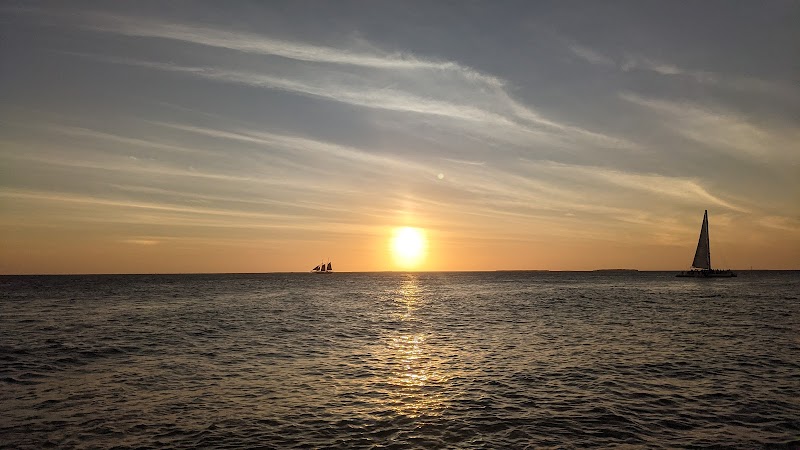
Fort Jefferson sits at the edge of the vast and restless Gulf of Mexico, its brick silhouette casting long shadows as daylight fades. Getting the best sunset view here requires a steady eye on timing and weather. The Fort is located on Garden Key within Dry Tortugas National Park—accessible only by boat or seaplane. Plan to arrive at least an hour before sunset to absorb the changing light and explore the grounds before the sky ignites. The trek from the ferry dock to the Fort itself is gentle, roughly 0.5 miles on flat, sandy paths with minimal elevation gain, a reminder that adventure here is about timing and patience rather than physical strain. The breeze carries a salty voice, pulling you toward the western horizon where the sun dips into a restless sea.
Winter through early spring, from December to April, offers the clearest evenings with relatively calm seas, creating ideal conditions to watch the sunset paint the sky in fiery hues. Shorter days mean you’ll find yourself ready for the show mid-afternoon, allowing time to scout multiple vantage points. Summer months bring heat and humidity, with the possibility of passing showers that often disrupt the view but occasionally clear the air afterward, leaving vibrant color contrasts. Stronger afternoon winds and choppier waters can make ferry rides bumpier, so plan accordingly.
The Fort itself acts like a giant lens, focusing your gaze outward. Climb the exterior walls where safe access is allowed, or find a spot on the beach fringes where the waves breathe and retract with the tide. Nature here is a force still asserting itself—the tides pull at the shoreline with persistent insistence, and clouds drift with purpose, shifting the palette minute by minute. Time your visit so you avoid the mass of midday tourists; early evening tends to be less crowded, allowing an unbroken connection with the environment’s steady rhythm.
Hydration is key. While the trek isn’t demanding, the tropical air and sun’s last heat linger longer than you’d think. Wear sturdy, breathable footwear suited for sandy terrain that can get slick from seawater spray. Don’t forget insect repellent during warmer months: mosquitoes can be particularly assertive as the sun sets. Bring a flashlight or headlamp for safely returning to the ferry dock after darkness falls.
Whether you’re an occasional traveler or someone who chases sunsets worldwide, Fort Jefferson challenges you to read the sky’s subtle shifts and respect the elements as they unfold. The experience rewards those who come prepared, patient, and tuned into the environment’s mood—where adventure is an engagement with a place fiercely itself, not a race against time.
Nearby Trips
All Adventures
Boat Charters
Water Activities
Adventures near Key West
Discover the unique and memorable adventures that make Key West special.
Frequently Asked Questions
When is sunset time at Fort Jefferson?
Sunset times vary throughout the year, generally occurring between 6:15 PM in winter and as late as 8 PM in summer. Check local sunset schedules close to your visit for precise timing.
How do I get to Fort Jefferson?
Access is limited to ferry boats from Key West or seaplanes. The ferry ride takes about 2.5 hours, so plan your departure to arrive well before sunset.
Are there hiking trails around Fort Jefferson?
The area around Fort Jefferson consists mainly of flat sandy paths with no formal hiking trails. Walking the perimeter and climbing accessible parts of the Fort's walls provide the best exploration experience.
What wildlife might I spot during sunset?
Birds like frigatebirds, brown pelicans, and occasionally roseate terns patrol the skies. Marine life can sometimes be glimpsed near shore, including rays or dolphins.
Is it safe to stay after sunset?
Visitors must return to the ferry pier before nightfall. While the park’s remote nature encourages privacy, limited lighting requires a flashlight or headlamp.
Can I camp overnight to see multiple sunsets?
Dry Tortugas National Park does permit camping but requires advance permits. Check with the park service for availability and restrictions.
Recommended Gear
Reusable Water Bottle
Staying hydrated is crucial in the Florida Keys heat, especially during warmer months.
Insect Repellent
Protect yourself from mosquitoes that become active at dusk.
Good Grip Sand Shoes
Footwear that manages sandy, occasionally slippery paths improves safety and comfort.
Headlamp or Flashlight
Since ferries depart after sunset, light sources help navigate back safely in darkness.
Local Insights
Hidden Gems
- "The western beach of Garden Key offers quieter, unobstructed views away from the Fort’s central area."
- "A small pier near the ferry dock provides intimate encounters with tidal pools and shore birds."
Wildlife
- "Look for majestic frigatebirds soaring overhead, often silhouetted against the fading sun."
- "The marine environment hosts sea turtles that sometimes surface near shorelines at dusk."
History
"Fort Jefferson was a strategic coastal defense during the 19th century and holds stories from the Civil War and the era of maritime commerce, standing as one of the largest brick masonry forts in the Americas."