Ketchikan’s coastal waters offer a dynamic stage for wildlife watching, where timing and natural conditions dictate unforgettable encounters. Whether it’s the spring salmon rush or winter eagle perches, understanding the seasons and tides empowers adventurers to witness nature’s most thrilling moments firsthand.
Check Tide Schedules Before Heading Out
Low to mid-tide often exposes rocky areas and channels where seals and otters gather, improving chances for sightings.
Wear Waterproof and Layered Clothing
Ketchikan’s weather changes rapidly; prepare for rain, chill, and wind even in mild seasons.
Plan Around Early Morning or Late Afternoon
Wildlife is most active during these cooler parts of the day, plus the waters tend to be calmer and quieter.
Use Local Guides for Best Spots
Experienced guides know where animal activity concentrates, improving your odds and ensuring safe, responsible viewing.
Timing and Conditions for Optimal Wildlife Sightings in Ketchikan’s Waters

Ketchikan Fishing Tour & Whale Watching/ Wildlife Viewing Excursion
3 Hours | Starting at $1,500 | Most Popular!
Set sail with Ketchikan's Finest Fishing Charters for a day of fishing, whale watching, and wildlife encounters in Alaska’s pristine waters. Discover the region’s marine life in a memorable, guided adventure perfect for all ages.
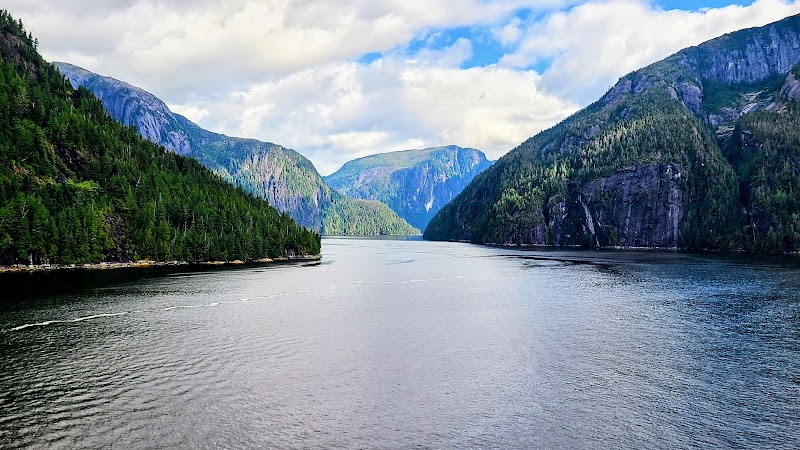
Ketchikan’s waters are a living, shifting stage where marine wildlife performs best under certain conditions. To catch a glimpse of the region’s iconic creatures—from bald eagles and sea otters to orcas and salmon runs—timing is everything. The waters here don’t just passively hold life; they challenge and invite observers to read their subtle signals: tides rising, currents pulsing, and seasons turning.
Spring ushers in an influx of migratory salmon, drawing hungry bears and orcas close to shore in feeding frenzies. The currents push schools relentlessly through narrow channels, daring observers to watch and learn the rhythms. Summer brings longer daylight and calmer seas, spotlighting the elegant dance of humpback whales and playful sea lions. Visibility improves—perfect for wildlife photography and boat tours—but so does boat traffic, requiring patience and awareness.
Fall shifts the scene with cooler temperatures and shifting tides that concentrate fish and predators alike. This season offers quieter waters and crisp air, prime for spotting mink and river otters along the shoreline. Winter’s harsher bite pulls the wildlife scene into quieter pockets, but persistent species like bald eagles dominate the quieter estuaries, perched like vigilant rulers.
When planning a wildlife-watching trip in Ketchikan, start early or aim for late afternoons when animals are most active but human noise is subdued. Wind direction and tide schedules affect marine animals’ visibility, often making mid- to low-tide better for spotting seals basking on rocky outcrops or salmon navigating upriver. Pay attention to the weather; overcast skies soften glare on the water, revealing movements otherwise missed.
Preparation matters. Choose waterproof footwear and layered clothing, as coastal weather flips with little warning. Bring binoculars and a sturdy camera with zoom capability to catch distant interactions. Join guided excursions where local knowledge points to where and when wildlife shows up most reliably. Being ready also means understanding the delicate balance of Ketchikan’s ecosystem—respect for the animals’ space ensures safer, more rewarding encounters.
Ultimately, Ketchikan’s waters refuse to be predictable. They are fiercely themselves—wild and fleeting. The best sightings come from a willingness to move with the tides, accept waiting times, and surrender to the natural tempo. It’s a rugged experience that balances thrill with patience, where every ripple and call might signal the next unforgettable moment.
Nearby Trips
All Adventures
Boat Charters
Water Activities
Adventures near Ketchikan
Discover the unique and memorable adventures that make Ketchikan special.
Frequently Asked Questions
When is the best time of day for wildlife sightings in Ketchikan’s waters?
Early mornings and late afternoons offer the calmest waters and least human disturbance, maximizing chances to see active wildlife such as sea otters and eagles.
Are boat tours necessary to see marine wildlife here?
While boat tours increase access to deeper waters and better vantage points, many creatures like salmon, river otters, and bald eagles can also be observed from accessible shorelines.
What local wildlife is uncommon but worth watching for?
Ketchikan’s waters occasionally host transient species like Pacific white-sided dolphins and sea lions hauling out in less trafficked coves, rewarding patient observers.
How do tides affect wildlife visibility?
Lower tides expose intertidal zones and narrow channels that concentrate feeding areas, making seals and otters easier to spot compared to high tide when many animals disperse.
Is it safe to approach wildlife closely in Ketchikan’s waters?
Maintaining respectful distance keeps encounters safe and stress-free for animals and observers alike. Local regulations enforce minimum distances, especially near marine mammals.
What environmental considerations should visitors keep in mind?
Avoid disturbing wildlife habitats, dispose of waste responsibly, and prefer guided tours that follow sustainable principles to minimize human impact on this fragile ecosystem.
Recommended Gear
Waterproof Jacket
Essential for staying dry during sudden coastal rain showers and wind-driven spray.
Binoculars
Improves ability to scan distant waters where seals, whales, and birds congregate.
Sturdy Waterproof Footwear
Protects feet during slippery shoreline treks and sudden weather changes.
Camera with Zoom Lens
Captures wildlife moments without disturbing animals—best used during calm, clear conditions.
Local Insights
Hidden Gems
- "The quieter waters of East Island for secluded orca sightings"
- "Hidden tidal pools near Tongass National Forest shorelines rich with intertidal life"
Wildlife
- "Bald eagles dominate winters, roosting in coastal evergreens like watchful sentinels"
- "River otters’ playful presence often signals fresh fish runs up narrow streams"
History
"Ketchikan’s fishing heritage blends Tlingit Indigenous history with settler communities tied to salmon canneries and maritime trade, shaping its relationship with local waters."