Ketchikan’s boat excursions invite you to witness Alaska’s wild marine life in its natural stage. This guide offers essential tips to protect wildlife while immersing yourself in the rugged beauty of the region’s waterways.
Maintain a Safe Distance from Wildlife
Keep at least 100 yards away from seals, sea lions, and other marine mammals to avoid disturbing their natural behavior.
Use Slow and Steady Throttle
Operate your boat at low speeds in wildlife viewing zones to minimize noise and wake disturbances.
Listen to Local Regulations
Know and follow wildlife protection laws under Tongass National Forest and the Marine Mammal Protection Act to avoid fines and ecological harm.
Carry Binoculars and Zoom Lenses
Bring optical gear for distant viewing and photography instead of approaching animals closely.
Safeguarding Wildlife During Ketchikan Boat Excursions: A Practical Guide
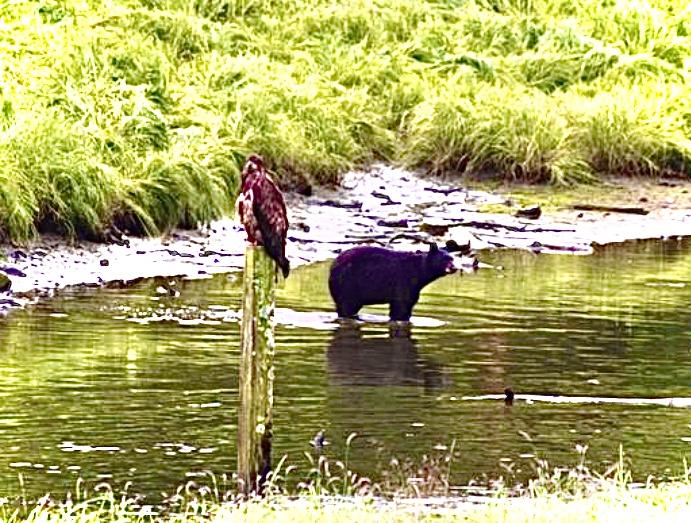
Premier Land and Sea Discount Package
All Ages • 4 - 4.5 Hours • Great for Families!
Discover the perfect blend of outdoor adventure and craft beer tasting with the Premier Land and Sea Discount Package in Ketchikan, Alaska. This guided tour offers scenic land walks combined with boat excursions and exclusive brewery visits, creating an unforgettable experience for travelers seeking culture, nature, and local flavors all in one day.
Ketchikan’s waters are alive with creatures fiercely themselves, from bald eagles patrolling the skies to sea otters weaving through kelp beds. As you chart the course on your boat excursion, the challenge is to engage with these wild neighbors responsibly — respecting their rhythms while soaking in the raw beauty.
Start with awareness. Wildlife here isn’t on display; it’s living on its own terms. Marine mammals like harbor seals and playful sea lions may surface near your vessel, curious but cautious. Keep a minimum distance of 100 yards to avoid disrupting their natural behaviors. The currents that push forward on these channels carry the messages loud and clear: your presence matters, so move deliberately.
Your boat is a temporary visitor in this wilderness. Engine noise and abrupt movements can startle animals, causing stress and possible displacement from crucial feeding or resting areas. Use a steady throttle in sensitive zones and watch for signs of agitation—such as rapid tail slaps or sudden dives. Maintaining slow speeds in designated wildlife viewing areas reduces sound and wake, allowing animals to persist relatively undisturbed.
Observe wind direction and sound. If you approach downwind, your engine noise carries directly to the animals’ ears. Navigate crosswind or upwind when possible to minimize your acoustic footprint. The wind whispers advice; listen.
Bear in mind the regulations enforced locally and federally. Ketchikan lies within the Tongass National Forest, which includes critical habitats protected under the Endangered Species Act and Marine Mammal Protection Act. Violating these rules risks fines and disrupts delicate ecosystems.
Before boarding, equip yourself with binoculars and cameras equipped with zoom lenses instead of relying on close approaches. This practical adjustment keeps the wildlife’s space - and yours - safe. If you want to learn more about the habits of Ketchikan’s wildlife, consider hiring a local guide who knows how to balance curiosity with care.
Finally, pack waste disposal supplies. Litter floating in water can harm marine life, entangle seals, or poison fish. Be responsible; hold onto trash and dispose of it properly onshore.
A Ketchikan boat excursion is a shared adventure between you and an environment fiercely itself. Your respect for the wildlife’s space enriches your experience and ensures the creatures you see today will be there tomorrow. Prepare diligently, move thoughtfully, and the wild Alaskan waters will reward you with moments of effortless wonder.
Nearby Trips
All Adventures
Boat Charters
Water Activities
Adventures near Ketchikan
Discover the unique and memorable adventures that make Ketchikan special.
Frequently Asked Questions
What wildlife can I realistically expect to see on a Ketchikan boat excursion?
Common sightings include harbor seals, sea lions, bald eagles, and occasional orca pods. Seasonal salmon runs attract bears visible from shore but rarely from boats.
Are there any areas off-limits during wildlife tours?
Yes, several marine sanctuaries and protected zones within the Tongass National Forest restrict boat access to safeguard sensitive habitats, especially breeding and pupping sites.
How do I minimize my impact on wildlife during the trip?
Maintain distance, reduce engine noise by idling or moving slowly, avoid sudden course changes, and never feed or attempt to touch animals.
What should I do if marine life approaches the boat?
Allow animals to approach on their own terms but do not encourage contact. Keep engines at low throttle and remain quiet to avoid startling them.
Can local guides enhance my wildlife viewing experience?
Absolutely. Knowledgeable guides understand animal behavior, local regulations, and safe navigation, ensuring a richer and more respectful wildlife encounter.
Is it safe to take photos during these excursions?
Yes, with proper equipment like zoom lenses or binoculars. Avoid flash photography as it can disturb wildlife.
Recommended Gear
Waterproof Jacket
Keeps you dry and comfortable during rainfall common throughout the boating season.
Binoculars
Key for viewing distant wildlife without encroaching on their space.
Non-slip Footwear
Ensures secure footing on wet boat decks, reducing risk of slips and falls.
Polarized Sunglasses
Reduces surface glare, aiding in spotting animals beneath the water.
Local Insights
Hidden Gems
- "The Tongass Narrows offers surprisingly quiet cove areas where seals haul out undisturbed."
- "Annie Inlet’s rocky shores provide excellent up-close views of intertidal life."
Wildlife
- "Look for the rare marbled murrelet along forest edges, a small seabird with cryptic nesting habits."
- "Watch for sea otters exhibiting playful behaviors near kelp beds."
History
"Ketchikan’s marine routes have been vital to the Tlingit people for centuries, who navigated these waters sustainably and with deep respect for the ecosystem."