Ketchikan's protected bays offer anglers a rare chance to engage salmon on terms favored by the fish themselves. This guide breaks down the timing, tactics, and conditions to help you maximize your catch during private charters in these calm, strategic waters.
Start Early for Peak Feeding
Salmon are most active near dawn as the tide lifts them toward shore, making early morning the prime window for strikes.
Focus on Sheltered Bays
Areas like Ward Cove and Tongass Narrows provide calmer waters where salmon gather, increasing your chance of success.
Use Variable Trolling Speeds
Adjust speeds between 1.5 to 2.8 knots to find what triggers salmon to bite, as each day’s conditions can change fish behavior.
Match Lure Colors to Local Forage
Opt for pearly, blue, and chartreuse lures reflecting regional baitfish to increase visibility in stained waters.
Maximizing Your Salmon Catch in Ketchikan’s Sheltered Waters: A Private Charter Guide

Salmon Charters
Private Group of 2 - 6 people • 4, 6 or 8 Hour Trips • All Ages • Starting at $820
Set out on a salmon fishing adventure in Ketchikan with To the Limit Sportfishing. Led by an experienced captain, enjoy a personalized trip aboard the C/V Mazie Grace, surrounded by Alaska’s rugged coastal beauty and abundant fish.
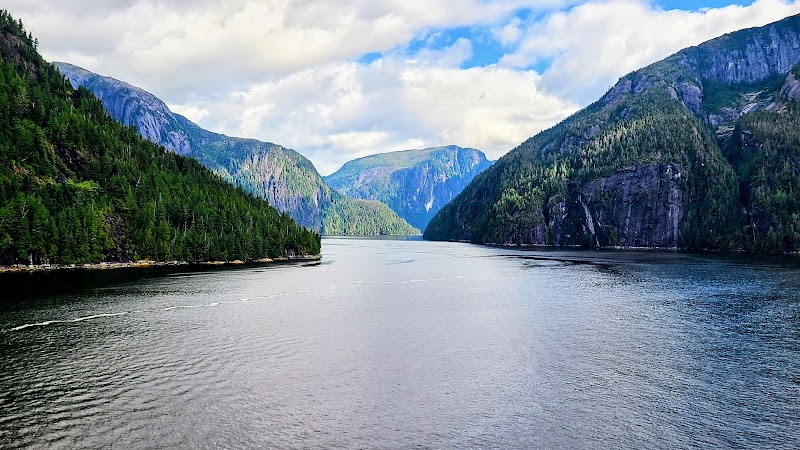
Ketchikan’s sheltered waters offer an ideal battleground for anglers eager to hook salmon with precision and purpose. These coastal inlets and protected bays guard a vital pulse of the Alaskan salmon run, providing private charters a tactical advantage over the open sea’s unpredictable temperament. Imagine the boat as your command post, skimming glassy surfaces under towering spruce and cedar, where currents murmur secrets to the experienced angler.
To maximize your salmon catch here, understanding the interplay between tide, time, and terrain is crucial. Salmon move with intention, following tides that lift them closer to shorelines rich in baitfish. Starting your charter early—around the crack of dawn—places you at the heart of feeding activity. Morning light slips over the water, spotlighting salmon silhouettes breaching near drop-offs or kelp beds.
Choose sheltered nooks over exposed waters. Areas like Ward Cove and Tongass Narrows beckon with calmer currents and rich underwater structure—places where salmon pause between ocean corridors and rivers. Your guide will navigate to these fishing hotspots where the water ‘hugs’ the shoreline, drawing salmon into predictable channels.
Precision in tackle and technique tightens your advantage. Opt for trollers equipped with a mix of hoochies, spoons, and flashers timed to the targeted salmon species—Chinook, Coho, or Sockeye. Adjusting your lure color to reflect local forage—pearls, blues, and chartreuses—heightens visibility in these often-stained waters. Pair this with variable trolling speeds, typically between 1.5 to 2.8 knots, to engage salmon’s keen responsiveness.
Be responsive to weather’s whispered cues. In calm conditions, salmon linger closer to the surface, drawn out by sunlight warming baitfish schools. When winds rise, they often tuck deeper, tracking currents and conserving energy. Here, slowing your approach and dropping lures deeper into the colder layers can trigger strikes.
Engaging a private charter means access to personalized strategies. Your captain interprets subtle water shifts, wind changes, and fish movement patterns, adjusting routes dynamically to keep you in the thick of the run. Communication is key—stay engaged, share observations, and maintain flexibility in timing and technique. The fish actively challenge your tactics, pushing you to match their rhythm rather than overpower it.
Lastly, respect the waters that shape these salmon runs. Adhere to local fishing regulations regarding catch limits and species seasons. Responsible catch-and-release or sustainable harvesting ensures these populations remain robust for future adventurers.
Maximal salmon fishing success here is a collaboration—between the seasoned captain, an attentive angler, and a wild force of nature fiercely itself. Your role is to listen, adapt, and strike when conditions align. The reward is not just a full cooler but the invigorating experience of working a working ecosystem that’s as alive as you are.
Nearby Trips
All Adventures
Boat Charters
Water Activities
Adventures near Ketchikan
Discover the unique and memorable adventures that make Ketchikan special.
Frequently Asked Questions
What salmon species are most common in Ketchikan sheltered waters?
Chinook, Coho, and Sockeye salmon dominate these waters, each following distinct timing and habitat preferences that influence where and when to fish.
How do tides affect salmon fishing in Ketchikan?
Salmon ride the tides closely, moving shoreward on rising tides to feed and moving offshore on ebb tides, making the timing of your charter crucial for productive fishing.
Are private charters suitable for beginners?
Yes. Experienced guides customize instruction and techniques for all skill levels, making private charters accessible and enjoyable for novices and seasoned anglers alike.
What local regulations should I be aware of?
Follow Alaska’s fishing regulations on bag limits, species-specific seasons, and catch-and-release guidelines to help sustain salmon populations and avoid fines.
Where is the best place to land salmon after a catch during these charters?
Onboard fish boxes with ice are standard; quickly securing your catch preserves freshness and maintains safety on deck during the trip.
Can weather cause cancellations for private charters?
Yes. Severe weather or rough open sea conditions may force cancellations, but sheltered waters are often calmer, offering more reliable opportunities.
Recommended Gear
Waterproof Jacket
Alaska’s weather shifts quickly; a waterproof jacket protects against rain and wind throughout the year.
Polarized Sunglasses
Polarized lenses cut glare and reveal fish shadows beneath the water’s surface during bright daylight hours.
Insulated Layer
Cool, damp conditions require warm layering to maintain comfort during early mornings and changing weather.
Tackle Box with Variety of Lures
Bring a selection of spoons, hoochies, and flashers to adapt to salmon preferences and water conditions.
Local Insights
Hidden Gems
- "Ward Cove’s deep channels provide quieter fishing spots often overlooked by larger vessels."
- "The small islands near Tongass Narrows create microhabitats attracting schools of baitfish, thereby drawing salmon closer."
Wildlife
- "Majestic bald eagles patrol overhead, tracking fish activity."
- "Seals and porpoises frequently dart through waters, their presence signaling rich feeding zones."
History
"Ketchikan’s fishing heritage traces back to Native Tlingit communities who stewarded these waters for centuries, balancing harvest with respect for natural cycles."