
Navigate the ever-shifting weather and road conditions of the Tongass backcountry with confidence. Discover practical tips and detailed insights to safely explore this unique coastal rainforest wilderness while embracing the dynamic adventure it offers.
Monitor Weather Forecasts Daily
Tongass weather shifts rapidly; check forecasts every morning and before heading out to avoid storms and sudden drops in visibility.
Equip a High-Clearance 4WD Vehicle
Roads vary from loose gravel to flooded patches—4WD with good clearance minimizes risk of getting stuck or damaging your vehicle.
Pack Extra Fuel and Supplies
Fuel stations and services are scarce; ensure you carry more fuel than needed along with water and food, especially for longer drives.
Avoid Night Driving in the Backcountry
Roads are unlit and narrow—darkness reduces reaction times and complicates navigation; plan your arrival accordingly.
Mastering Weather and Road Conditions for Tongass Backcountry Drives

Ketchikan Backcountry Adventure: SUV Tours in the Tongass
2.25 Hours | 32 Miles
Discover the rugged beauty of Alaska with a private SUV boat tour in Ketchikan’s Tongass National Forest. Experience wildlife, breathtaking scenery, and local history on this exclusive adventure.
The Tongass National Forest challenges drivers and adventurers with its wild weather and often unpredictable road conditions, making preparation non-negotiable. Stretching over 17 million acres in southeastern Alaska, this wilderness demands respect: heavy rains soak the landscape, winds shift without warning, and the forested roads can test even experienced backcountry drivers.
Start your journey near Ketchikan, the closest hub offering necessary services before venturing deeper. Keep your eyes on weather forecasts—the Pacific storms bring moisture that can turn gravel roads slick, and narrow forest routes might flood or become muddy overnight. Many backcountry drives range from 20 to 60 miles, threading through dense forest and skirting rivers that do more than trickle—they dare you to pass safely.
Road surfaces vary: expect gravel and dirt, elevated wooden bridges, and occasional rockslide debris, all demanding a cautious approach at speeds often below 30 mph. Ground clearance and a reliable 4WD vehicle are essential; sedans risk getting stuck or damaged. Tire traction improves your margin of safety on slippery, uneven terrain.
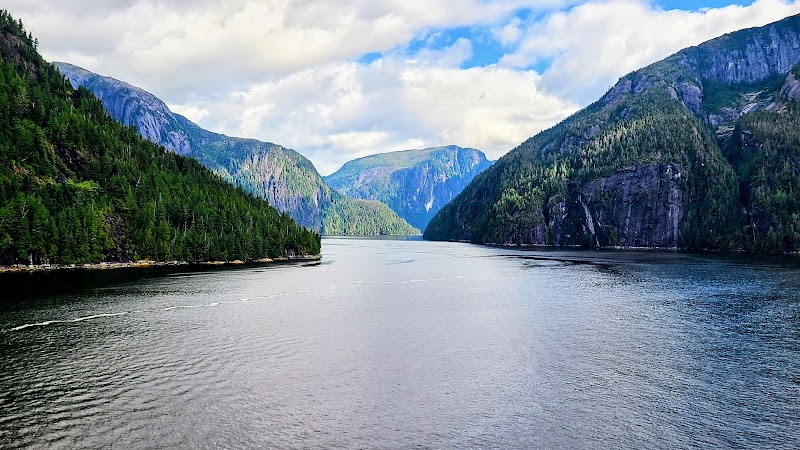
Temperature swings are common, even in summer. Morning fog can veil the thick green canopy and nearby peaks, making visibility an issue during early hours. A clear afternoon often unveils sweeping views of fjords and glacial tongues, rewarding patient travelers.
Plan your timing to avoid night driving—the lack of streetlights on backcountry roads makes darkness an unnecessary hazard. Bring extra fuel and a charged communication device, as cell signals remain patchy. Hydration is critical; bring water not only for yourself but to respect the environment and any wildlife you encounter.
Gear your footwear for long days on foot when roads give way to hiking trails—from mossy forest floors to roots that clutch at your boots, you'll need sturdy, waterproof boots with grip. Elevation changes along side trails vary from gentle slopes to rugged climbs topping 1,500 feet, rewarding hikers with panoramic views but testing endurance.
Respect natural elements that show their power here—rivers challenge with sudden surges, winds test driving and walking balance, and rain saturates the ground beneath your feet. They aren’t obstacles but living parts of the Tongass, fiercely themselves, shaping each journey.
Before you set out, check with local ranger stations for real-time updates; road conditions can change swiftly, and a closed route may offer an alternate path worth exploring. Each drive is a test of preparation and adaptability as much as an opportunity to witness the wild heart of Alaska’s coastal rainforest.
Drive ready, stay alert, move deliberately, and the Tongass will reveal its rugged charms—an adventure carved by shifting weather and roads that demand your respect.
Nearby Trips
All Adventures
Boat Charters
Water Activities
Adventures near Ketchikan
Discover the unique and memorable adventures that make Ketchikan special.
Frequently Asked Questions
How quickly can weather change while driving in the Tongass backcountry?
Weather in the Tongass can shift within minutes, especially during spring and fall. Rapid fog or rain can reduce visibility dramatically, so expecting sudden changes is critical for safety.
Are the backcountry roads in the Tongass maintained year-round?
Many roads receive limited maintenance, particularly outside of summer. Snow, fallen trees, and landslides can close routes unexpectedly, so checking current conditions is essential before any trip.
What wildlife might I encounter near these backcountry roads?
You'll likely spot black bears, bald eagles, and deer near roads and trails, especially near rivers during salmon runs. Keep a respectful distance and secure all food to avoid attracting animals.
Is cell phone coverage reliable in the Tongass backcountry?
Coverage is spotty at best; many stretches have no signal. Carry offline maps and consider a satellite communicator for emergency use.
What are the lesser-known viewpoints along Tongass backcountry roads?
Hidden pullouts along the Salmon River road offer quiet river views and chances to watch salmon leaps. The Deer Mountain viewpoint near Ketchikan reveals broad panoramic views with fewer crowds.
Are there environmental protections to follow while driving and hiking in the Tongass?
Yes. Stay on designated roads and trails to protect fragile undergrowth and wildlife habitats. Pack out all trash, avoid disturbing wildlife, and use established campsites when overnighting.
Recommended Gear
4WD Vehicle with High Clearance
Handles rough and wet road surfaces, essential for safe backcountry driving.
Waterproof Hiking Boots
Provides traction and protection for side hikes on slippery, mossy, or muddy forest floors.
Layered Clothing with Rain Gear
Allows comfortable adaptation to rapid weather changes, with waterproof outer layers to counter persistent moisture.
Portable GPS or Offline Maps
Cell signals are unreliable; GPS ensures you stay on track and find alternative routes if needed.
Local Insights
Hidden Gems
- "Salmon River quiet pullouts"
- "Deer Mountain scenic overlook"
- "Limestone Lake trailhead viewpoints"
Wildlife
- "Black bears"
- "Bald eagles"
- "Salmon runs"
- "Sitka black-tailed deer"
History
"The Tongass bears cultural significance to Tlingit communities, with many traditional fishing and hunting areas near backcountry routes, emphasizing the need for respect and awareness."