Experience canoeing through Ketchikan’s coastal rainforest, where rain shapes every moment and currents challenge your skill. Learn what gear and clothing will keep you dry, comfortable, and ready to embrace this fiercely dynamic environment.
Waterproof Your Essentials
Use dry bags or waterproof cases for electronics, snacks, and extra clothing to keep gear safe from constant moisture.
Layer Smart for Variable Weather
Wear breathable base layers and pack waterproof outerwear to adapt quickly to rain and shifting temperatures.
Choose Grippy Footwear
Waterproof boots with strong ankle support and soles designed for slippery terrain will prevent accidents on muddy riverbanks.
Bring a Hat and Polarized Sunglasses
A wide-brimmed hat protects against rain and branches; polarized lenses cut river glare to improve visibility of obstacles underwater.
Essential Gear and Clothing Tips for Rainforest Canoeing in Ketchikan, Alaska

Rainforest Canoe Adventure & Nature Trail
3.5 Hours • Must Be 40lbs or More
Discover the serenity of Juneau's Tongass National Forest on a guided canoe and nature walk. Paddle tranquil lakes, spot wildlife, and explore lush forest trails—an adventure ideal for nature lovers of all levels.
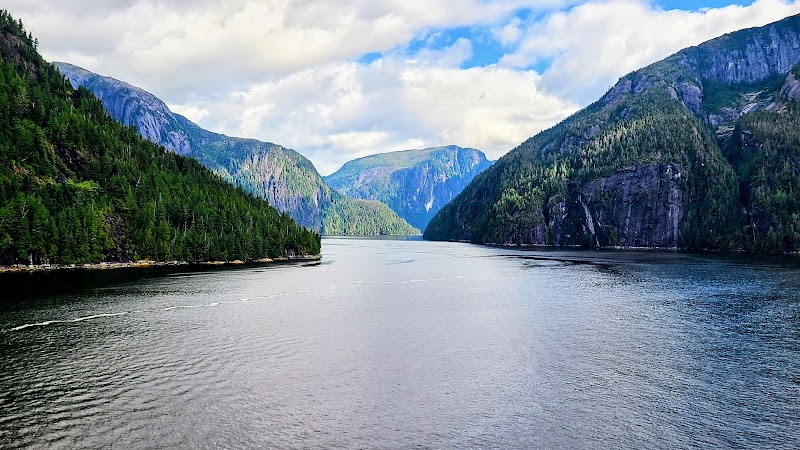
Ketchikan’s coastal rainforest is more than a backdrop — it’s a dynamic force that tests your gear as much as your skills. Canoeing here means navigating winding waterways carved through towering Sitka spruce and western hemlock, where rain isn’t an if but a when, and the river dares you forward with a shifting current. To meet the challenge, layering smartly and choosing the right equipment becomes more than preparation — it’s your lifeline to comfort and safety.
Start with a waterproof, breathable jacket and pants. Gore-Tex or similar fabrics repel the persistent drizzle without stifling movement, essential for hours on the water. Bring quick-drying base layers; synthetic or merino wool wick moisture from sweat and rain equally well. Avoid cotton — it clings wet and chills fast.
Boots are the foundation of your comfort. Waterproof hiking boots with solid ankle support and grippy soles will handle the muddy banks and slick river launches. If you’ll be stepping in and out of shallow water often, consider neoprene booties or lightweight water shoes with traction.
A hat with a brim is your shield against both rain and low-hanging branches, plus polarized sunglasses cut glare, letting you spot underwater logs and errant roots. Gloves with a touch of grip help manage paddles in cold, slick conditions.
Don’t forget dry bags for your essentials — phone, snacks, extra layers — because the rainforest’s moisture will find a way inside unprotected packs. Hydration solutions like a hands-free water bladder keep sipping effortless.
Timing your trip in the day matters. Early mornings tend to be quieter and less crowded but chillier; afternoons warm slightly, though clouds often thicken. Always check local weather forecasts and be ready to adjust.
Respect the rainforest’s rhythm — its currents and tides, rain’s persistent drop, the whisper of leaves overhead. This is a place that moves in cycles, demanding respect, rewarding attentiveness. Equip yourself well, and the canoe will glide effortlessly through this fierce, living forest.
Nearby Trips
All Adventures
Boat Charters
Water Activities
Adventures near Ketchikan
Discover the unique and memorable adventures that make Ketchikan special.
Frequently Asked Questions
What kind of water conditions can I expect while canoeing in Ketchikan’s rainforest?
Water conditions vary by season. Spring and fall bring higher and faster currents due to runoff, while summer water tends to be calmer but with frequent rain. Always expect slick surfaces and rapidly changing weather.
Is it safe to canoe alone in the Ketchikan rainforest waterways?
Solo canoeing is possible but not recommended for inexperienced paddlers. The rainforest’s currents can shift unpredictably and sudden weather changes demand vigilance and potentially immediate shelter.
Are there any local wildlife I should be aware of during my trip?
Yes. Be watchful for bald eagles hunting overhead, salmon in the waters during runs, and black bears near shorelines. Maintain a safe distance and store food securely.
Where can I launch or rent canoes in Ketchikan for rainforest exploration?
Several local outfitters in Ketchikan offer canoe and kayaking rentals with guided tours starting near downtown and the outskirts where waterways enter the forest.
How should I prepare for insect activity during the trip?
Mosquitoes and black flies are active especially in warmer months. Pack insect repellent, wear long sleeves and pants, and consider head nets for prolonged paddling.
Are there any cultural or historical points connected to canoeing here?
The Tlingit people have a deep historical connection to the land and waters surrounding Ketchikan. Traditional canoe craftsmanship and stories reflect essential ties to these rainforest waterways.
Recommended Gear
Waterproof Breathable Jacket and Pants
Critical for staying dry while moving through constant drizzle and splash.
Waterproof Hiking Boots with Traction
Keeps feet stable and dry while launching/landing on slick, muddy banks.
Quick-Drying Base Layers
Wicks moisture efficiently to maintain warmth and comfort.
Polarized Sunglasses
Reduces glare, allowing better visibility of underwater hazards and landscapes.
Local Insights
Hidden Gems
- "Creeks feeding into Hollow Tree Lagoon offer quiet paddling with fewer visitors."
- "The small inlet near Potlatch State Park reveals lush fern groves and serene wildlife."
- "Rose Hip Trail viewpoints along canoe routes provide unique forest canopy perspectives."
Wildlife
- "Bald eagles are frequently spotted perched or soaring above waterways."
- "Salmon often gather in late summer and fall streams, creating dynamic wildlife scenes."
- "River otters play near river edges, adding lively moments to the journey."
History
"Ketchikan’s rainforest is part of the ancestral lands of the Tlingit people, whose canoes and navigation techniques shaped the region’s relationship to waterways for centuries. Traditional resources and stories remain intertwined with canoe routes."