
The Kenai River challenges adventurers with its lively currents and rugged shorelines, offering both thrill and risk. Knowing how to prioritize safety and respond to emergencies is crucial for anyone looking to engage safely with this dynamic Alaskan waterway.
Always Wear a Coast Guard-Approved Life Jacket
The Kenai River’s fast currents can catch even experienced paddlers off guard. A life jacket is your primary defense against drowning, especially in cold water conditions.
Carry a Satellite Messenger or Emergency Beacon
Cell signals are unreliable outside Kenai city. Satellite communication devices ensure you can call for help no matter where you are on the river.
Wear Proper Footwear with Excellent Traction
Slippery river rocks and wet banks can cause falls. Waterproof hiking boots with good grip reduce risks of injuries while portaging or fishing from the shore.
Plan for Rapid Weather Changes
Layered clothing and rain gear prepare you for sudden shifts in temperature or wet conditions common around the river corridor.
Navigating Safety Priorities and Emergency Procedures on Alaska’s Kenai River

Rafting Kenai River
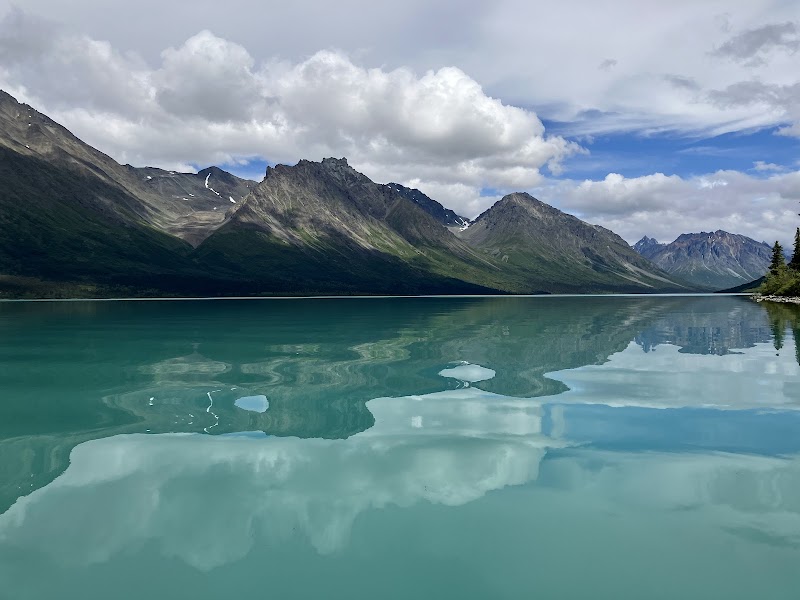
Paddle the Turquoise Waters of the Kenai
Discover the thrill of rafting on Alaska's iconic Kenai River, renowned for its stunning scenery and abundant wildlife. Perfect for adventurers seeking a blend of excitement and natural beauty, this guided trip offers an unforgettable outdoor experience near Ninilchik.
Alaska’s Kenai River is a wild watercourse that commands respect. Its currents push forward with a force that challenges fishermen and adventurers alike, demanding careful planning and a sharp focus on safety. Here, the river does not simply flow; it dares you to match its pace while staying vigilant in the face of unpredictable weather and rugged terrain.
Safety on the Kenai begins before you even touch the water. The river spans roughly 82 miles from Kenai Lake down to Cook Inlet, flowing through dense spruce forests and steep banks that can hide swift undertows and sudden drop-offs. Whether fishing, rafting, or hiking close to its shores, understanding the river’s temperament is essential. Temperatures can shift rapidly, and summer rains can swell the river’s volume, amplifying hazards.
Emergency procedures on the Kenai depend on preparation and quick response. For water-based activities, life jackets are not just recommended—they are mandatory. If the river pulls you under, buoyancy is your first defense against the cold, fast-moving water. Many local outfitters provide safety briefings focusing on river hydrodynamics—knowing where eddies form and which currents to avoid enhances your ability to navigate safely.
Communication can be tricky along the river. Cell coverage is spotty outside of the city of Kenai, making it essential to carry a satellite messenger or emergency beacon. The Kenai Peninsula Search and Rescue team is professional and well-equipped, but reaching them quickly relies on your own readiness to signal distress.
Onshore, slippery rocks and steep descents require sturdy footwear with a firm grip. Hydration and layered clothing are equally important. The river’s chill and unpredictable weather can knock down your core temperature quickly, making thermal layers and water-resistant gear practical tools against exposure.
When venturing into the Kenai River corridor, familiarize yourself with local emergency numbers and closest medical facilities. Keep a first aid kit accessible and understand basic treatments for hypothermia, cuts, or sprains—injuries that are common in the rugged environment.
Your adventure on the Kenai River is an engagement with a force fiercely itself. The river's roar is a constant reminder that while the environment is inviting, it demands respect. Approaching it with clear-headed preparation and awareness makes the difference between a memorable trip and an incident avoided.
By combining respect for the river’s raw power with practical safety measures—such as life jackets, proper gear, local knowledge, and communication devices—you not only enrich your experience but safeguard your journey. Kenai is ready to test your mettle, but it rewards those who listen and prepare.
Nearby Trips
All Adventures
Boat Charters
Water Activities
Adventures near Kenai
Discover the unique and memorable adventures that make Kenai special.
Frequently Asked Questions
What are the main hazards on the Kenai River?
Swift currents, sudden drop-offs, cold water temperatures, and slippery riverbanks pose the greatest risks. Spring snowmelt raises water levels, increasing flow speed and hazard potential.
Is swimming safe in the Kenai River?
Swimming is generally unsafe due to cold water and powerful currents. Accidental immersion can lead to hypothermia rapidly. Always wear a life jacket near or on the water.
How can I get help if I have an emergency on the river?
Because cell coverage is inconsistent, carry a satellite messenger or emergency beacon to transmit distress signals. Inform someone of your plans before heading out and know the local emergency contact numbers.
Are there any lesser-known viewpoints along the Kenai River?
Yes. The Hidden Lake Trail near Skilak Lake offers quiet vantage points where the river bends reveal wildlife and mirror-like reflections, a perfect stop for nature lovers.
What local wildlife should visitors be prepared to see or avoid?
Bears, moose, and eagles populate the region. Carry bear spray, keep food secured, and stay alert especially in early mornings and dusk to avoid dangerous encounters.
Are there environmental concerns to be aware of when visiting the Kenai River?
Yes. Overfishing and littering threaten the river’s delicate ecosystem. Visitors should practice catch-and-release fishing, pack out all waste, and stay on designated trails to protect the habitat.
Recommended Gear
Life Jacket (PFD)
Mandatory for all river activities; keeps you afloat in cold, swift water.
Waterproof Hiking Boots
Protects feet from cold water, slippery rocks, and uneven terrain.
Satellite Messenger / Emergency Beacon
Critical for emergency communications where cell service is unavailable.
Layered, Waterproof Clothing
Prevents hypothermia in wet, cold conditions and adjusts easily to changing weather.
Local Insights
Hidden Gems
- "Skilak Lake Hidden Lake Trail viewpoints"
- "Quiet eddies on the upper Kenai near Cooper Landing"
Wildlife
- "Brown and black bears foraging along shorelines"
- "Bald eagles nesting in tall spruce trees"
- "Moose often seen grazing near wetlands"
History
"The Kenai River corridor holds significance for the indigenous Dena'ina people, who fished its waters for salmon for centuries. Russian explorers and later American settlers also relied on the river as a vital resource and transportation route."