
Monument Valley offers more than stunning sandstone formations; it’s an active cultural landscape protected by the Navajo Nation. Learning Navajo protocols ensures your visit respects sacred sites and deepens your connection to this iconic terrain.
Book Navajo-Guided Tours
Local guides provide cultural context and ensure you follow proper protocols, enriching your experience while respecting sacred lands.
Stay on Designated Paths
Veering off trails risks damaging fragile sites and can violate cultural protections; always check with guides before exploring off-route.
Respect Photography Rules
Ask permission before photographing people or sacred places, as some sites are culturally sensitive and restricted.
Hydrate and Prepare for Desert Conditions
Carry at least two liters of water; desert heat intensifies midday, so plan hikes early or late in the day with suitable footwear.
Respecting Navajo Traditions: Essential Protocols for Monument Valley Tours

Private Monument Valley Tour
Exclusive Experience with Donald Mose, Jr.
Discover the breathtaking landscapes of Monument Valley on a private guided tour that offers an exclusive experience. Perfect for photography, cultural exploration, and adventure, this trip reveals the area's stunning geology and Navajo heritage. Keep reading to learn more about this unforgettable outdoor adventure.
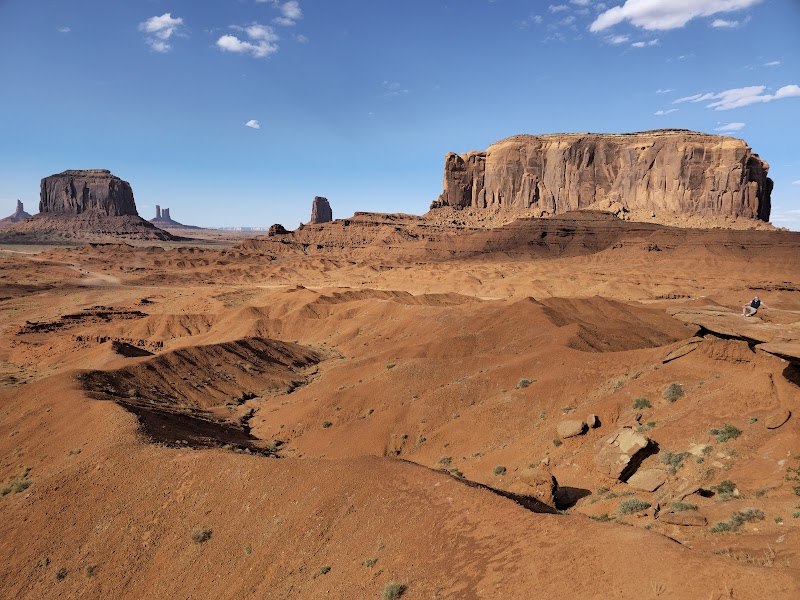
Monument Valley isn’t just a backdrop of earth-red buttes and sweeping desert vistas—it’s a sacred space fiercely protected by the Navajo Nation. As you plan your adventure into this iconic landscape, understanding how to navigate Navajo cultural protocols is key. Beyond the practical logistics—distance, terrains, and timing—this knowledge opens a door to a deeper experience that honors the people who call this land home.
Monument Valley tours typically cover about 17 miles of accessible terrain around towering mesas and spires, but the heart of your visit rests not in the miles you walk, but in the respect you carry. The landscape moves with a quiet authority; sandy washes dare your boots to press forward, and wind-sculpted rock walls stand, unyielding, guarding stories far older than any hiker’s trail. Before stepping into this space, it’s vital to engage with Navajo guides. They interpret the land’s meanings, traditions, and proper conduct, ensuring your footprint is gentle.
Practical preparation is as important as cultural respect. The valley’s elevation sits roughly 5,000 to 6,000 feet, and the desert sun can be relentless. Plan hikes during early morning or late afternoon to avoid peak heat and to catch landscapes painted in shifting, golden light. Footwear designed for loose sand and rocky paths—think sturdy hiking boots with solid tread—is a must. Hydration can’t be overstated: a minimum of two liters per person is essential, especially on longer outings.
Monument Valley’s cultural codes extend into what you capture and share. Many Navajo consider certain sites sacred and restrict photography. Asking permission before photographing people or culturally significant sites shows awareness and tact. It’s also customary to avoid wandering off designated trails without a guide’s consent—these are not just safety instructions but gestures of respect.
During your tour, listen actively. Stories told by Navajo guides are not mere anecdotes but lessons bound by ancient tradition. They speak of the land’s fierce spirit and fragile balance, cultivating a relationship that is both practical and reverential. This approach transforms the tour from a simple sightseeing trip into a meaningful interaction with a landscape that is fiercely itself.
Those seeking more than just a photo op should consider overnight options that allow stargazing free from the harsh glare of city lights. The night sky in Monument Valley rises like a silent guardian, twinkling with intensity that matches the land’s sacred pulse.
Monument Valley rewards preparation melded with humility. The adventure is not about conquering the elements but joining a dialogue with a living culture and a steadfast landscape. Carry water, gear up well, stay curious, and respect the protocols. That’s how you truly navigate the powerful terrain—and its deeply rooted customs.
Nearby Trips
All Adventures
Boat Charters
Water Activities
Adventures near Kayenta
Discover the unique and memorable adventures that make Kayenta special.
Frequently Asked Questions
Why do I need a Navajo guide for Monument Valley tours?
Navajo guides provide vital cultural interpretation and navigate you through areas where access may be restricted or require permission. They ensure respect for sacred sites, share stories directly from the Navajo perspective, and keep the visit aligned with community protocols.
Are there areas where photography is not allowed?
Yes. Certain sites within Monument Valley are considered sacred or sensitive; the Navajo Nation asks visitors not to photograph these areas or individuals without consent. Always check with your guide or posted signs to avoid unintentional disrespect.
What wildlife might I encounter during my tour?
You may spot coyotes, ravens, various lizards, and occasionally desert bighorn sheep. Keep a respectful distance and avoid disturbing animals, as they are integral to the ecological and cultural balance.
When is the best time of day to tour Monument Valley?
Early mornings and late afternoons offer cooler temperatures and softer lighting for both hiking and photography. Midday brings heat stress risks and harsher sunlight, making excursions less comfortable.
Are hikes in Monument Valley physically demanding?
Most tours are considered moderate. Trails involve walking on sand and rocky ground with some elevation gains near mesas, so a reasonable level of fitness and stamina is necessary.
What should I know about environmental conservation here?
The Navajo Nation actively monitors visitor behavior to preserve fragile soils and cultural sites. Trips designed to minimize impact—like guided tours staying strictly on paths—help sustain Monument Valley’s natural and cultural integrity.
Recommended Gear
Sturdy Hiking Boots
Provide grip and ankle support for loose sand, rocky paths, and uneven terrain common throughout the valley.
Water Bottle with at Least 2 Liters Capacity
Essential to prevent dehydration during hikes under the desert sun, especially in warmer months.
Sun Protection (Hat and Sunscreen)
Protects you from intense UV rays in an exposed landscape with limited shade.
Layered Clothing
Allows you to adjust to temperature swings from chilly mornings and evenings to warmer afternoons.
Local Insights
Hidden Gems
- "Sunrise Point: An overlooked spot capturing Monument Valley bathed in early light"
- "Mystery Valley: Accessed by special permit, featuring less-traveled petroglyphs and formations"
Wildlife
- "Desert cottontail rabbits"
- "Golden eagles soaring overhead"
- "Collared lizards basking on sun-warmed rocks"
History
"Monument Valley is a landscape etched by centuries of Navajo history, including traditional stories linking the rock formations to spiritual beings and events. This land remains actively sacred, with ceremonies still held in certain areas by Navajo elders."