
Experience the breathtaking panoramas of the Painted Desert and Monument Valley from above, while prioritizing safety and preparedness. This guide offers practical tips for pilots and adventurers alike to navigate the region’s unique weather and terrain, ensuring a memorable and secure flight.
Monitor Weather Patterns Closely
Winds and thermals shift rapidly over the desert landscapes, especially near towering mesas. Check forecasts frequently up to departure and have backup plans ready.
Understand Local Airspace Restrictions
The Navajo Nation governs much of Monument Valley, including airspace boundaries. Coordinate flight plans accordingly to avoid violations.
Schedule Flights for Stable Atmospheric Conditions
Target early morning or late afternoon flights to minimize turbulence and maximize visibility through softer light.
Prepare Passengers for Changing Temperatures
Cabin temperatures can fluctuate quickly; advise layered clothing and hydration to maintain comfort throughout the flight.
Maximizing Scenic Flight Safety Over Painted Desert and Monument Valley

Monument Valley Air & Ground Tour (F-MVJ)
Popular Tour! | Approximately 7 Hours
Discover the stunning landscapes of Monument Valley through an exclusive aerial and ground tour from Flagstaff. Experience breathtaking views, Navajo culture, and memorable adventures—all in one unforgettable trip.
Flying over the Painted Desert and Monument Valley unlocks an unparalleled vantage point where nature’s raw formations stretch beneath you, alive and fiercely independent. These iconic landscapes don’t just wait quietly below; they challenge pilots and passengers alike to respect their altitudes, weather shifts, and rugged terrain’s unpredictability.
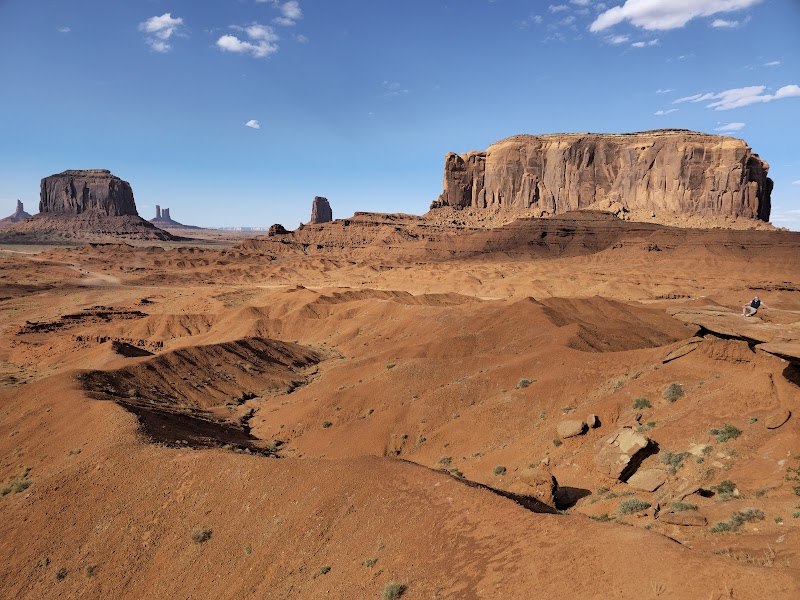
The Painted Desert paces its celebration through sweeping badlands marked by vivid reds, purples, and ochres, while Monument Valley rises with its towering buttes and spires asserting a timeless presence—each formation daring you to witness without haste but with unyielding awareness.
Maximizing safety here requires a clear grasp of both the environment and flight logistics. Distance-wise, the flights typically cover 60 to 120 miles, depending on the route, often lasting between 45 minutes and 1.5 hours. Elevations range from 5,000 to 6,500 feet above sea level, and the desert’s rugged ridges and strong gusts demand vigilance in weather monitoring and aircraft handling.
Flyers should ideally choose early mornings or late afternoons to avoid the more turbulent thermal activity generated by midday heat. Visibility is key; clear skies aren’t just appreciated, they’re critical. Pilots should perform extra preflight checks focused on wind shear potential between canyon walls and thermals above sun-baked mesas. A thorough risk assessment of weather conditions—especially sudden storms common in summer monsoons—is non-negotiable.
Practical preparation extends to communication with local air traffic and understanding restricted airspace boundaries, including Navajo Nation regulations. Flight paths must be planned to respect these zones while maximizing views of key landmarks like John Ford’s Point and the Tsoodził (Mount Taylor) skyline.
Passengers, too, have roles beyond passive observation: dress for fluctuating cabin temps, stay hydrated, and bring polarized sunglasses to combat glare bouncing off the desert floor. Understanding the terrain’s personality—how certain canyons funnel winds like currents or how mesas impose sudden shadowed pockets—can enhance both safety and appreciation.
Ultimately, the adventure of flying over Painted Desert and Monument Valley is a tactical engagement with forces both geological and atmospheric. It demands respect, presence, and preparation, rewarding those who meet it with unmatched panoramic splendor balanced by the solid, grounded sense of a journey well planned and safely executed.
Nearby Trips
All Adventures
Boat Charters
Water Activities
Adventures near Kayenta
Discover the unique and memorable adventures that make Kayenta special.
Frequently Asked Questions
What weather conditions should I avoid when planning a scenic flight here?
Avoid flying during or near monsoon storms (summer) and high wind gusts, especially midday thermals. Visibility below VFR minimums also requires cancellation or rescheduling.
Are there any restricted airspace zones I should be aware of?
Yes, Monument Valley includes portions of Navajo Nation airspace which are restricted. Pilots need up-to-date charts and permission when required to avoid violations.
What are the best times of day for capturing scenic photos during the flight?
Early morning and late afternoon provide soft, angled light that enhances the colors of the Painted Desert and casts dramatic shadows on Monument Valley’s formations.
Is prior flying experience necessary to conduct flights over this area?
Yes. Pilots should have mountain flying skills, strong understanding of weather dynamics, and ability to navigate in complex terrain to ensure safety.
Can passengers expect turbulence during the flight?
Moderate turbulence may occur from thermal currents and wind channeled by mesa walls, especially during warmer parts of the day.
Are there lesser-known viewpoints visible only from the air?
Yes, places like the Coyote Buttes, including the Wave formation, and the Echo Cliffs offer perspectives rarely seen from the ground.
Recommended Gear
Polarized Sunglasses
Cuts through glare reflecting off the desert floor to improve visibility and reduce eye strain.
Layered Clothing
Cabin temperatures vary quickly; layers allow adjustment to changing conditions.
Portable Hydration
Dry desert air dehydrates quickly—a steady water supply is critical.
GPS and Updated Navigation Charts
Helps pilots respect airspace boundaries and manage complex terrain routing efficiently.
Local Insights
Hidden Gems
- "Coyote Buttes outside the standard Monument Valley tour routes"
- "Secret washes revealing ancient petroglyphs only accessible by air"
- "Remote hogans and Navajo homesteads scattered through the valley"
- "The Hubble Trading Post airstrip for emergency landings"
Wildlife
- "Golden eagles soaring thermals"
- "Desert bighorn sheep navigating cliff edges"
- "Coyotes occasionally visible from high vantage points"
- "Rare sightings of kit foxes in crevices"
History
"Monument Valley served as a backdrop for many Western films, influencing cultural imagery of the American Southwest. The Navajo Nation reveres it as sacred land integral to their spiritual heritage."