
Visiting the Navajo Hogan in Monument Valley offers a unique blend of stunning landscapes and deep cultural connection. This guide equips you with essential etiquette and practical advice to approach the Hogan respectfully while navigating the rugged terrain with confidence.
Seek Guided Tours or Permission
The Navajo Hogan is a sacred site. Always join authorized tours or ask permission before entering or photographing the Hogan to respect local customs.
Wear Durable Footwear
Trails can be rocky and uneven; sturdy hiking boots with good ankle support prevent injuries and keep you steady over sandy and stony ground.
Carry Sufficient Water
Monument Valley’s dry climate accelerates dehydration. Bring at least two liters of water for a moderate hike and drink regularly to maintain energy.
Mind Your Noise Level
Keep voices low and avoid loud noises to honor the Hogan’s sacredness and the quiet reverberating through the valley’s formations.
Navigating Respect: Cultural Etiquette at Navajo Hogan in Monument Valley

Deluxe Tour
Starting at $89 | 3.5 Hours | Most Popular!
Experience Monument Valley's iconic sandstone buttes and secret backcountry trails on the Deluxe Tour. Immerse yourself in Navajo culture and stunning desert vistas on this unforgettable 3.5-hour journey.
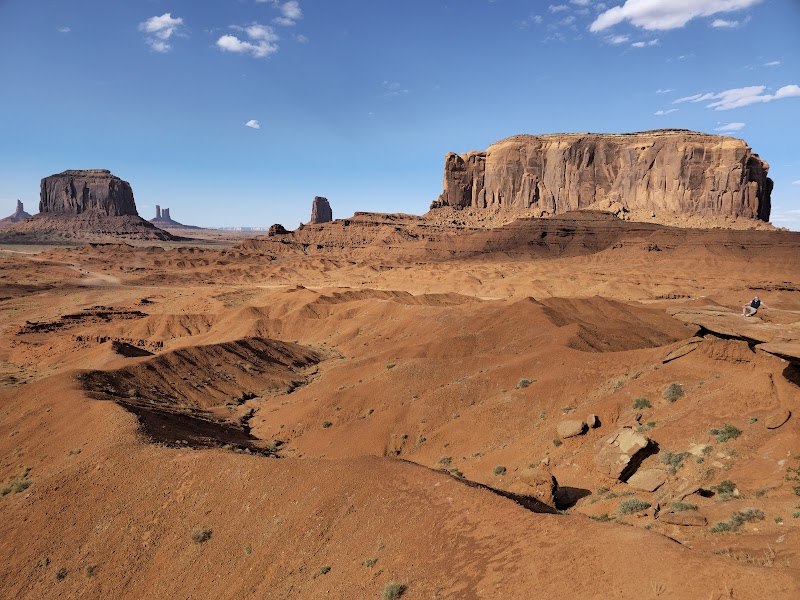
Standing in the stark, sunbaked sands of Monument Valley, the Navajo Hogan is more than just a traditional dwelling—it's a living piece of Navajo heritage fiercely guarding its stories and traditions. As you approach this iconic structure, the landscape unfolds in vast red mesas and wind-sculpted buttes that seem to dare your every step toward understanding a culture deeply entwined with the land. But this journey requires more than just a lens pointed toward beauty; it demands respect, a keen awareness of the Navajo people's customs, and mindful interaction.
The Navajo Hogan is traditionally a round or hexagonal dwelling made from wood and packed earth, designed not only as shelter but as a spiritual center aligning with the elements and family life. Visitors should remember that the Hogan is still sacred to the Navajo Nation. Before stepping close or inside, ask permission from authorized guides or community members, and abide by their guidance.
When planning a visit, consider that Monument Valley’s elevation hovers around 5,000 feet, with terrain ranging from dusty trails to rocky outcrops. The Hogan often sits off the main tourist routes, accessible through guided hikes or tours. Distances vary, but expect moderate hikes from visitor centers to the Hogan of 2-4 miles roundtrip, with occasional uneven footing requiring solid, supportive footwear.
Hydration is key; the desert air quickly dries you out, and water sources are scarce. Early mornings or late afternoons offer cooler conditions and crisper light for photography, though midday heat tests endurance and respect for your body's limits. Also, keep in mind photography etiquette: some ceremonies or family moments are private—always ask before capturing images.
Understanding Navajo cultural etiquette means engaging with the Hogan as a sacred space, not a photo backdrop. Remove hats, speak softly, and avoid touching items inside or outside the dwelling without consent. Avoid loud noises or disruptive behavior; the silence around the Hogan is a dialogue with nature and tradition alike.
For seasoned adventurers, the challenge is to embrace both the physical stride across rugged terrain and the cultural stride into a living heritage. This hike isn’t about conquest but connection.
Mindfulness here is practical: wear layered clothing for sudden weather shifts, pack sun protection, and bring a notebook or camera to absorb stories shared by guides without intruding. And respect the land by sticking to established paths; the desert and its sacred sites resist alteration and damage.
Ultimately, visiting the Navajo Hogan in Monument Valley is an experience at the crossroads of geography and culture—an encounter with a heritage fiercely itself. Proceed with humility and open senses, and you will find a journey that enriches as much as it challenges.
Nearby Trips
All Adventures
Boat Charters
Water Activities
Adventures near Kayenta
Discover the unique and memorable adventures that make Kayenta special.
Frequently Asked Questions
Is it possible to visit the Navajo Hogan independently?
Most access to the Navajo Hogan requires permission or guided tours, as it is a sacred site. Independent visits without prior arrangement are discouraged to respect cultural protocols.
What should I avoid doing at the Hogan?
Avoid touching ceremonial objects, entering without permission, loud talking, or taking photos during private moments. Follow instructions from guides to honor Navajo customs.
Are there any weather concerns to prepare for?
Yes. Monument Valley’s weather can shift quickly. Prepare for hot sun during the day and cooler temperatures at night, plus occasional winds, especially in spring.
Can children participate in visiting the Navajo Hogan?
Yes, but caregivers should teach children about the importance of respect and quietness, as the site is culturally sensitive and requires thoughtful behavior.
What wildlife might I encounter nearby?
Watch for jackrabbits, coyotes, and various birds, including ravens and raptors, which are common in the area. Wildlife is cautious but present if you keep noise low.
Are drones allowed for photography at the Hogan?
Drones are typically not permitted to protect privacy and maintain the sanctity of the site. Always check Navajo Nation guidelines before flying any drone in the area.
Recommended Gear
Hiking Boots
Provide ankle support and grip necessary for rocky, uneven desert terrain.
Sun Protection (Hat, Sunscreen, Sunglasses)
Essential for safeguarding against harsh UV rays during peak daylight hours.
Layered Clothing
Allows you to regulate body temperature through cold mornings and warming afternoons.
Hydration Pack or Water Bottles
Crucial to stay hydrated in an arid environment where water sources are unavailable on the trail.
Local Insights
Hidden Gems
- "Sunrise Point offers quiet views of the valley’s red silhouettes exploding in early light."
- "Nearby sandstone alcoves hide petroglyphs many overlook on standard tours."
Wildlife
- "Greater Roadrunner, a quick and striking bird native to the region."
- "Desert cottontail rabbits scuttling among bushes during dawn or dusk."
History
"Hogans represent traditional Navajo dwellings arranged to honor spiritual beliefs about harmony and balance. These homes are still used ceremonially within the Navajo Nation."