
Monument Valley’s iconic red rock formations take on new life when seen from the sky. This guide covers how to plan camera settings and flight paths to capture breathtaking aerial photos, ensuring your images reflect the landscape’s fierce beauty and vivid color.
Fly with the Sun at Your Back
Plan flights early morning or late afternoon to use side lighting, which enhances the textures and shadows of the red rocks for dramatic photos.
Use a Polarizing Filter
A polarizer reduces glare from rock surfaces and deepens color saturation, making reds more vivid against blue skies.
Secure Your Camera Properly
Use vibration-reducing straps or harnesses to stabilize your camera in flight and minimize blur caused by turbulence.
Bring Extra Batteries and Memory Cards
Extended flights increase shooting opportunities but also consume power and storage—be prepared to keep capturing momentum.
Capturing Monument Valley’s Red Rocks: Scenic Flight Settings for Stunning Aerial Photos

Monument Valley Air & Ground Tour (S-MVJ)
Approximately 6 Hours
Fly over Sedona’s iconic red rocks and Monument Valley before venturing into Navajo Tribal Park. This combined air and ground tour offers breathtaking views and cultural insights in one unforgettable trip.
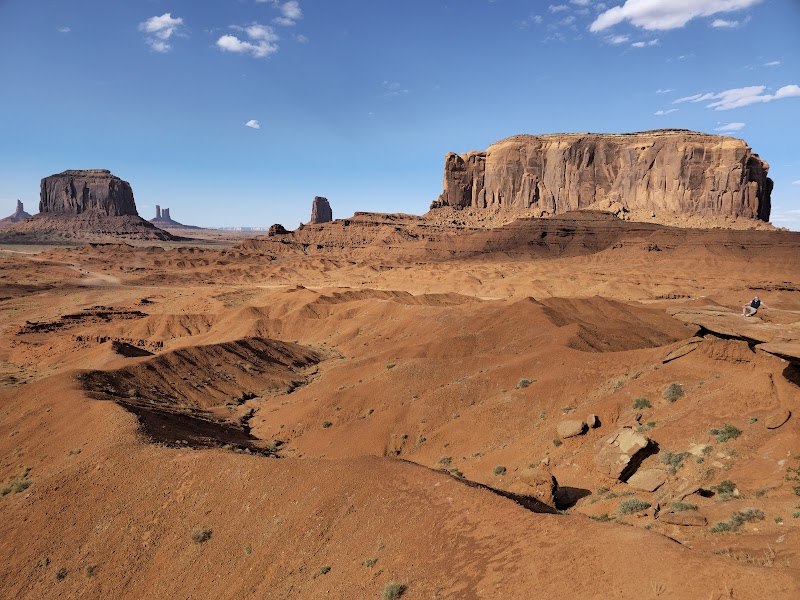
Monument Valley floats beneath your plane like a vast red ocean, its towering sandstone buttes rising like islands fiercely guarding their secrets to the sky. Planning a scenic flight here demands a blend of technical know-how and an eye attuned to the landscape’s dramatic textures. The red rocks—rich with iron oxide—glow hottest during early morning and late afternoon light, moments when shadows scoop into crevices, bringing the formations to sharp relief.
Choosing the right camera settings hinges on altitude and light. At lower flight levels, where the mesas seem close enough to touch, shutter speeds of 1/1000 or faster will stop the motion without blur stirred by the plane’s vibrations. A mid-range aperture—around f/8—offers enough depth of field to keep the vast scene crisp without sacrificing sharpness. ISO settings depend on ambient light but aim to keep it as low as possible to preserve the clean reds and subtle rock textures.
The sky plays a critical role. Clear blue backdrops provide stunning contrast, but a few drifting clouds add depth and drama. Position your flight path to let the sun illuminate the valley from the side—east to west travel during morning hours or reverse direction in the late afternoon. This cross-lighting sculpts the landscape, highlighting the intricate forms of Elephant Butte or the Mittens.
Steady your framing by locking in your focal point with minimal zoom changes in flight; zooming mid-air can introduce shake. A polarizing filter is essential—it cuts glare from rock surfaces and enhances colors, making reds pop against the vast sky. When mounting your camera, a harness or vibration-reducing strap helps secure it’s hold, especially when flying in helicopter tours where turbulence is a factor.
Don’t overlook altitude changes as a tool: flying closer to the cliffs unveils textures, while higher altitudes capture the sprawling patterns of the valley floor and winding dirt roads that seem like veins running through a rusty landscape. Coordinate with your pilot to enable smooth transitions between heights.
Practical preparation matters. Carry fully charged batteries and multiple memory cards—as flights over Monument Valley can quickly fill storage with treasures. Check local weather for wind conditions; gusts can jostle the aircraft and complicate steady shots. Ask your tour provider about the best seat—usually window seats on the opposite side of the sun offer the clearest, uninterrupted views.
Capturing Monument Valley from the air demands respect for this landscape that’s fiercely itself. A well-planned flight setting balances exposure, motion, and light, turning a fleeting skyward glance into images that hold the Canyon’s spirit long after the flight ends.
Nearby Trips
All Adventures
Boat Charters
Water Activities
Adventures near Kayenta
Discover the unique and memorable adventures that make Kayenta special.
Frequently Asked Questions
What is the best altitude for aerial photography in Monument Valley?
An altitude between 500 and 1500 feet balances capturing detail in rock textures and broader landscape views, while keeping the images sharp and well-composed.
Can I shoot photos from any seat on the aircraft?
Window seats on the side opposite to the sun generally offer the best lighting and unobstructed views for photography.
Are drone flights allowed over Monument Valley?
Drone use is prohibited within Monument Valley Navajo Tribal Park boundaries to protect cultural sites and wildlife.
How should I prepare my camera for in-flight photography?
Set a fast shutter speed (1/1000 or faster), mid-range aperture, low ISO, and use a polarizer. Secure your camera to minimize shake and pre-focus to reduce delays.
What local wildlife might appear during the flight?
Birds of prey like red-tailed hawks and ravens often soar near formations, providing dynamic subjects against the rugged backdrop.
Are there any lesser-known viewpoints best seen from the air?
Features like Hunts Mesa and Mystery Valley reveal complex patterns of canyons and rock formations hidden from road access, best appreciated from the sky.
Recommended Gear
DSLR or Mirrorless Camera
High-quality camera capable of fast shutter speeds and manual settings is critical for sharp landscape capture.
Polarizing Filter
Eliminates glare and enhances color contrast, indispensable for photographing reflective rock surfaces.
Extra Camera Batteries
Ensures uninterrupted shooting during longer flights or multiple trips.
Comfortable Layered Clothing
Airplane cabins can fluctuate in temperature, so layers help maintain comfort during the flight.
Local Insights
Hidden Gems
- "Hunts Mesa – offers panoramic views away from the main highway"
- "Mystery Valley – intricate rock formations only accessible by guided tours or aerial views"
Wildlife
- "Red-tailed hawks circling cliffs"
- "Common ravens displaying aerial acrobatics"
- "Desert cottontails occasionally seen near lower elevations"
History
"Monument Valley is a sacred Navajo Nation site with deep cultural significance. Many formations are named after their resemblance to animals or figures important in Navajo stories."