
Buckskin Gulch offers one of the longest and most thrilling slot canyon hikes in the southwestern U.S. Navigate its powerful seasonal shifts—from spring floods to winter chills—to plan your safest, most rewarding adventure deep in Utah’s Vermilion Cliffs.
Obtain a Permit Ahead of Time
Permits are required year-round for Buckskin Gulch to limit environmental impact and crowding. Reserve yours online well in advance.
Start Early to Avoid Heat
Especially in summer, begin before dawn to stay ahead of rising temperatures and reduce heat exhaustion risk.
Carry Adequate Water and Snacks
Plan for at least 3 liters of water per person; food energy sustains your body through the canyon’s physical demands.
Check Weather and Flash Flood Risks
Flash floods can arrive unexpectedly. Avoid hiking if rain is forecast anywhere upstream, even miles away.
Navigating the Seasons of Buckskin Gulch in Vermilion Cliffs

Buckskin Gulch Guided Hike
8 Hours • 2 Person Minimum • Amazing terrain!
Discover the thrill of navigating one of the world’s longest slot canyons with expert guides in Utah's stunning Vermilion Cliffs. This full-day hike takes you into a landscape of towering sandstone walls and narrow passages—perfect for adventure seekers ready to get their hands dirty and their cameras ready.
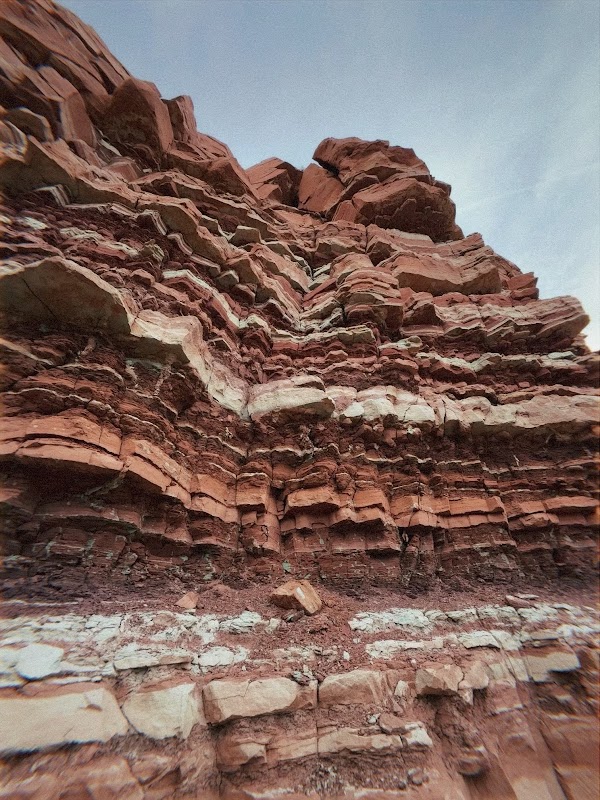
Buckskin Gulch demands respect—a slot canyon that twists and narrows sharply, revealing the raw pulse of southern Utah’s landscape. Stretching roughly 13 miles, this iconic hike winds through towering sandstone walls that seem to breathe and shift with the seasons. Understanding the seasonal rhythms here is key to a safe and rewarding journey.
Spring in Buckskin Gulch invigorates the canyon’s rugged terrain. Snowmelt and spring rains push the creek’s currents, daring hikers to negotiate slick rocks and occasionally shy water crossings. Temperatures hover in the comfortable 50s to 70s (°F), making hydration manageable but still necessary. Wildflowers peek through cracks, and migratory birds announce their passage, adding a lively soundtrack to the canyon’s quiet pulse.
Summer’s heat presses hard against canyon walls, pushing midday temperatures above 90°F. The narrow slot magnifies this heat, trapping warmth and demanding an early start to avoid the sun’s intensity. Water sources dwindle, and the creek may dry in spots, but when flows persist, the water dances and challenges passage. Flash floods, although rare, lurk as the most critical hazard, requiring hikers to monitor weather far upstream. Summer demands lightweight clothing, ample water, and a clear exit strategy.
Fall brings a slow cooling, offering some relief from the summer blaze. Temperatures settle in the 60s to 80s, and the light softens, casting longer shadows that reveal subtle textures in the canyon walls. Plant life fades, but the crisp air invites exploration. Weather is more stable, reducing the flood threat but not eliminating it.
Winter drops temperatures to the 30s and 40s, and the canyon becomes a frost-bitten stranger. Snowfall is infrequent but can paint the red rocks in a stark contrast. Winter hikers encounter slippery surfaces and cold creek crossings. The canyon’s narrow walls can reduce wind exposure but also trap icy pockets, so warm layers and waterproof footwear become essential. Wildlife retreats mostly to quieter quarters, but signs linger.
Terrain varies from easy sandy stretches to tight rock squeezes and shallow pools, with an overall elevation gain modest but noticeable—around 800 feet over the full distance. The trail demands attention to footing, particularly where slick sandstone looms.
To prepare, bring sturdy, treaded footwear that handles wet rocks well, a hydration system with at least 3 liters of water, sun protection that includes a hat and long sleeves, and navigation tools—GPS or map—as cell coverage is minimal. Permits are required year-round, so plan ahead.
Buckskin Gulch is no mere stroll; it’s a dialogue with a force fiercely itself. The canyon invites curiosity and caution, rewarding those who come ready. Timing your hike to harness the season’s gifts shapes the experience—whether it’s the spring creek’s playful challenge or the fall light’s quiet beauty. Here, every step is both a discovery and an exercise in endurance.
Nearby Trips
All Adventures
Boat Charters
Water Activities
Adventures near Kanab
Discover the unique and memorable adventures that make Kanab special.
Frequently Asked Questions
How do I get a permit for Buckskin Gulch?
Permits are available through the Bureau of Land Management’s online portal. Small daily quotas apply, so book months in advance, especially for peak seasons.
What is the best time of day to hike Buckskin Gulch?
Start early in the morning for cooler temperatures and to avoid midday heat, particularly in summer. Afternoon hikes increase risks from heat and potential flash floods.
Are there places to refill water along the trail?
Natural water is present in spring and early summer, but quality varies, and during dry seasons water may be scarce or stagnant. Treat or filter any water before drinking.
Can the entire length of Buckskin Gulch be hiked in one day?
Yes, but it requires strong fitness and early start times. Many hikers opt to take an out-and-back or partial route to suit their pace and daylight availability.
What wildlife might I see on the trail?
Look for desert bighorn sheep, canyon wrens, and occasionally bobcats or coyotes. Early morning and late afternoon increase chances of wildlife encounters.
What should I do if a flash flood warning occurs while hiking?
Get to higher ground immediately. Narrow slots can fill rapidly. Always check weather upstream and avoid the canyon if storms are forecast nearby.
Recommended Gear
Waterproof hiking boots
To handle creek crossings and slippery sandstone, boots with good grip and water resistance are crucial, especially during high water seasons.
Hydration system (3+ liters)
Sustained hydration is critical, especially when temperatures climb and natural water sources become scarce.
Sun protection (hat, UV-blocking clothes)
With exposed sections and reflective canyon walls, effective sun protection helps avoid sunburn and heat-related issues.
Layered clothing
Temperature swings require easily adjustable clothing, ranging from light layers for day warmth to insulated options for cool mornings and evenings.
Local Insights
Hidden Gems
- "Life on the rocks: Small prehistoric petroglyph sites along side canyons"
- "Wire Pass Confluence: A less-traveled slot merging with Buckskin for a quiet detour"
Wildlife
- "Desert bighorn sheep navigating cliff ledges"
- "The elusive canyon wren with its echoing call"
- "Ravens that patrol the airspace, eyeing hikers curiously"
History
"This area features ancient Native American heritage, with petroglyphs and habitation sites nearby. The canyon’s name reflects the local geology dominated by iron-stained sandstone—once a working landscape for ancestral peoples."