
Experience Hawaii’s Kohala Lagoon under the stars with a night sky canoe adventure blending calm paddling and cosmic wonder. This guide offers practical tips and detailed insights to prepare you for a safe, memorable journey beneath the vast Hawaiian skies.
Choose Stable Watercraft
Opt for a canoe or kayak with good stability and maneuverability suited for calm, shallow waters to comfortably handle gentle lagoon currents.
Pack Waterproof Lighting
Bring a waterproof headlamp or low-intensity lantern to preserve night vision while ensuring safe navigation without disturbing local wildlife.
Start After Sunset
Begin paddling within 30 minutes after sunset to enjoy the transition from dusk to darkness and catch prime stargazing conditions.
Stay Hydrated and Energized
Even though it’s cooler at night, Hawaii’s humidity demands adequate hydration and portable snacks to maintain energy levels during your adventure.
Navigating Hawaii’s Night Sky Canoe at Kohala Lagoon: A Practical Adventure Guide

Celestial Evening Canoe Ride (Kohola)
Experience the magic of Hawaii under the stars.
Experience a peaceful night voyage across Kohala Lagoon, guided by Polynesian legends and stargazing under Hawaii’s vast sky. This 30-minute canoe ride offers a unique cultural connection and serene natural beauty. Read on to discover why this adventure is a must-do for any visitor to Hawaii.
Hawaii’s Night Sky Canoe at Kohala Lagoon invites hikers and adventure-seekers to experience a unique blend of starlit paddling and immersive nature. Located on the northern coast of the Big Island, this journey combines a calm ocean setting with the vibrant, open night sky—perfect for those ready to engage with Hawaii as it fiercely reveals itself under darkness.
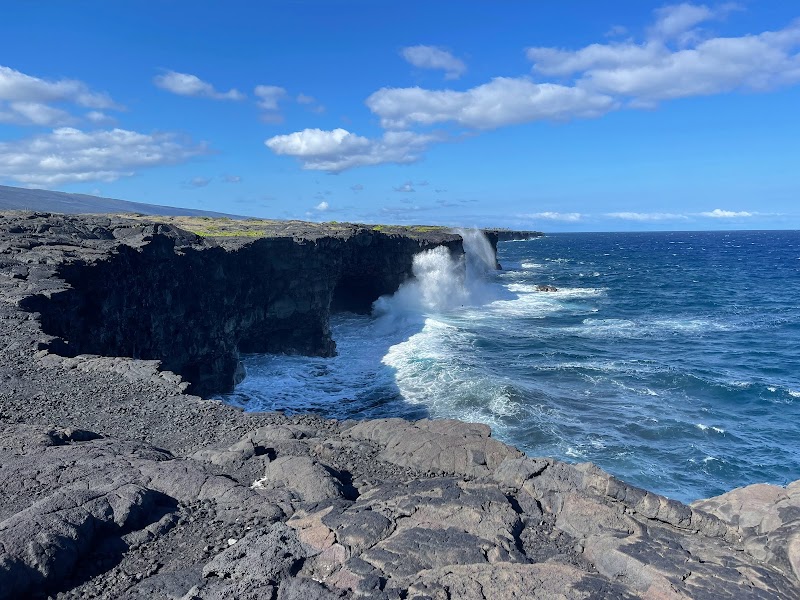
The experience begins with a light shoreline paddle across Kohala Lagoon. The lagoon’s gentle current pushes you gently forward, as the surrounding volcanic coastline guards the quiet water. As twilight fades, the stars start their slow dance overhead, and the reflection on the water doubles their intensity. Canoeing here isn’t about speed but presence; the water whispers its own story as it laps alongside your paddle.
Preparation is key. The lagoon is sheltered, but wind patterns can shift suddenly, so timing your trip just after sunset is ideal. The paddle route is about 1.5 miles with minimal elevation change, accessible to beginners but rewarding for any skill level. The terrain around Kohala Lagoon encourages a rhythmic flow: the dark silhouette of ironwood trees stands firm, the ocean breeze challenges your control, and the stars dare you to look deeper.
Bring a lightweight, stable canoe or kayak and equip yourself with a reliable waterproof headlamp or strategic lanterns to maintain your way without overpowering the nocturnal environment. Waterproof bags for gear and a life vest are essential. Footwear can be simple water shoes or sandals designed for quick drying.
Hydration should not be overlooked, even at night, especially with Hawaii’s lingering tropical warmth. Pack ample water and some energy-boosting snacks to keep spirits high and senses crisp. It’s a modest physical demand but one that rewards focus and respect for the sea’s temperamental nature.
The adventure ends as naturally as it begins, with eyes adjusted to the cosmos and a quiet sense of accomplishment. Kohala Lagoon’s Night Sky Canoe isn’t just a paddle—it’s a dialogue with one of Hawaii’s most tranquil yet dominant landscapes.
Nearby Trips
All Adventures
Boat Charters
Water Activities
Adventures near Kamuela
Discover the unique and memorable adventures that make Kamuela special.
Frequently Asked Questions
What is the best time to start the Night Sky Canoe tour at Kohala Lagoon?
Plan to start approximately 30 minutes after sunset when ambient light dims enough for optimal stargazing but before darkness fully sets, allowing you to navigate safely while enjoying the stars.
Are there any wildlife encounters to expect during the paddle?
Watch for night-active seabirds and fish that stir near the lagoon at night. Occasionally, sea turtles glide nearby, silhouetted by starlight. Respect their presence by maintaining distance and minimizing noise.
Is this adventure suitable for beginners?
Yes, the lagoon’s calm waters and minimal elevation shifts make it accessible to beginners with some basic paddling instruction, though night navigation experience is helpful.
What weather conditions should I monitor before the trip?
Keep an eye on wind speeds and sudden rain showers especially during wetter months. Significant winds can create choppy conditions in an otherwise calm lagoon.
Can I use a kayak instead of a canoe?
Absolutely, a kayak works well for the waters here as long as it’s stable and easy to maneuver in gentle currents and light winds.
Are there any environmental protections in place around Kohala Lagoon?
Yes, the lagoon is part of a conservation area focused on protecting marine habitats and coastal vegetation. Avoid disturbing wildlife and do not leave trash to keep the ecosystem intact.
Recommended Gear
Stable Canoe or Kayak
A reliable watercraft designed for smooth movement in calm water ensures safety and ease during the paddle.
Waterproof Headlamp or Lantern
Needed for safe night navigation without disturbing the natural ambiance or impairing your night vision.
Hydration Pack or Water Bottle
Keeps you hydrated in Hawai’i’s warm, humid conditions especially important during summer months.
Water Shoes or Quick-Dry Sandals
Protect your feet while launching and landing and maintain comfort when paddling through wet terrain.
Local Insights
Hidden Gems
- "A small lava outcrop at the lagoon’s southern edge offers a quiet vantage point with mirrored reflections of the stars."
- "Ironwood tree clusters along the shore provide unexpectedly serene spots that shield from coastal winds."
Wildlife
- "Native seabirds such as fairy terns are active around dusk and dawn."
- "Nighttime sightings of sea turtles and bioluminescent plankton occasionally light up the water."
History
"Kohala Lagoon has historical ties to ancient Hawaiian fishing practices and canoe-building traditions. The area remains a cultural resource, symbolizing the deep connection between Hawaiians and the ocean."