Navigating Polynesian Cultural Activities at a Hawaiian Luau: A Practical Guide
Engage directly with Hawaii’s rich Polynesian heritage by navigating cultural activities at a traditional luau. From lei-making to hula dance workshops, this guide offers practical tips and clear insights to help you transform a night of festivities into an authentic, hands-on adventure.
Wear Comfortable Footwear
Luau grounds often include grass fields and uneven surfaces. Choose sturdy sandals or lightweight shoes to keep your feet supported and comfortable throughout all activities.
Stay Hydrated Before and During
Evening events on the island can be warm and humid. Drink plenty of water to stay refreshed and maintain energy for active workshops like poi pounding and hula dancing.
Arrive Early to Explore
Plan to arrive 30-45 minutes before the luau starts. This gives you space to explore pre-show cultural exhibits and start hands-on activities without feeling rushed.
Be Respectful in Participation
Each cultural activity carries deep significance. Approach every workshop with respect and a willingness to learn, following guides’ instructions and Hawaiian customs.
Navigating Polynesian Cultural Activities at a Hawaiian Luau: A Practical Guide
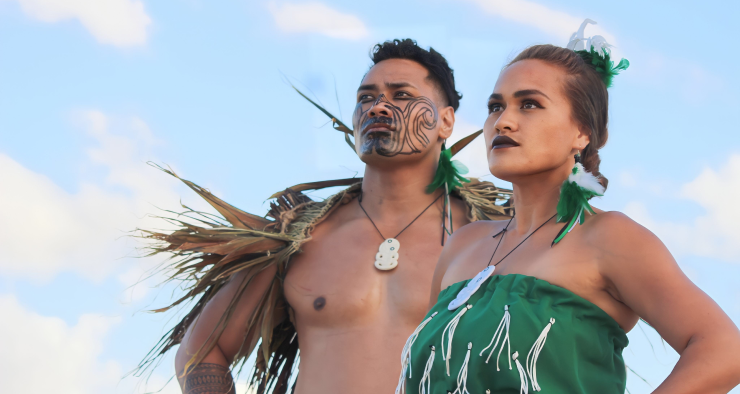
Mauka Warrior Luau Koa Experience - Rear Seating Classic Package
1 drink ticket, Traditional Dinner, Show, Activities
Discover the beauty and culture of Hawaii on the Mauka Warrior Luau Koa Experience. This eco-friendly tour offers scenic vistas, rich storytelling, and an authentic Hawaiian luau in a relaxed setting—an unforgettable island adventure.
A Hawaiian luau offers more than food and fire—it’s an active journey into Polynesian culture where every moment invites participation. From the moment you step onto the grounds, fragrant lei garlands greet you, and the rhythm of traditional drums pulses through the air, setting a tangible heartbeat beneath the stars. But a luau isn’t simply a passive show; it’s a hands-on cultural experience, where you navigate an engaging sequence of activities that pull you closer to the islands’ heritage.
Start by joining a lei-making session. The lei is more than a floral crown; it’s a gesture of aloha and respect. Using native flowers like plumeria and maile leaves, you’ll feel the delicate textures and understand the significance behind each plant. This workshop is practical, with guides showing straightforward knotting techniques allowing anyone to create a wearable souvenir.
Next, the imu ceremony offers a glimpse behind the scenes of traditional Hawaiian cooking. Witnessing the underground oven in action—where a whole pig slowly steams under layers of banana leaves and volcanic rocks—demands patience and reverence. The smell of earth and smoke swirls around, almost daring you to feel the deep connection between land and sustenance. Participating here is a chance to ask questions about the cultural protocols surrounding food and the spiritual role of mālama ʻāina, care for the land.
Hands-on is a hallmark of the poi pounding experience. Using wooden pestles to mash cooked taro root challenges your coordination while linking you to an ancient staple food. The dense, sticky texture pushes against your strength, marking a physical engagement with history itself. This is not just a performance; it’s a rhythm to catch and a tactile lesson to learn.
Finally, the hula workshop brings movement into the story. Guided by kumu hula—teachers deeply versed in the dance’s meaning—you’ll practice basic steps and gestures, understanding how each motion tells a tale from nature or legend. These lessons are active invitations to honor traditions, with straightforward instruction that respects beginners while inviting focus.
Navigating these Polynesian cultural activities at a luau makes the experience immersive without losing the practical sense of purpose. Come prepared to engage physically, mentally, and respectfully. Comfortable footwear and light clothing work best, as evenings can shift from warm to breezy. Stay hydrated and give yourself time—these activities aren’t rushed moments but chances to connect with something fiercely alive and timeless.
In essence, a Hawaiian luau’s cultural workshop in action transforms visitors into participants, distilling island heritage into practical, memorable steps. Approaching with curiosity and an open mind makes the evening not just entertainment, but a meaningful encounter with Polynesia’s living culture.
Nearby Trips
All Adventures
Boat Charters
Water Activities
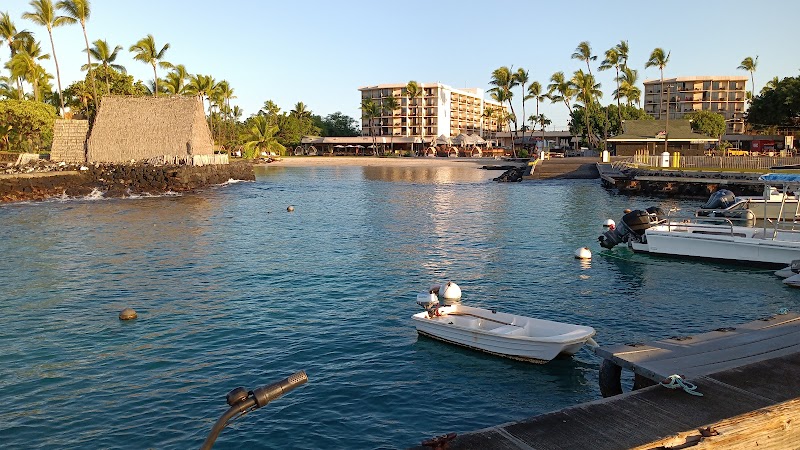
Adventures near Kailua-Kona
Discover the unique and memorable adventures that make Kailua-Kona special.
Frequently Asked Questions
Are luaus suitable for all ages and fitness levels?
Yes, luaus generally cater to a wide audience. Activities like lei making and storytelling are low-impact, while workshops like hula dancing vary in physical demand. Guides provide modifications to make participation accessible.
Can I attend a luau without joining the cultural activities?
Most luaus welcome guests to enjoy the show and dinner without active participation. However, engaging in workshops adds significant cultural depth and is highly recommended for a fuller experience.
Is photography allowed during the cultural performances?
Photography is usually permitted during workshops and performances, but flash is discouraged to respect performers and preserve atmosphere. Some sacred ceremonies may have restrictions; follow venue guidelines.
What traditional foods can I expect at a luau?
Expect dishes like kalua pork, poi, laulau, poke, and fresh tropical fruits. Many luaus accommodate dietary restrictions but inform them in advance for options.
How do I show respect while participating in cultural activities?
Listen attentively, follow instructions from cultural educators, and avoid rushing through experiences. Understand these activities are living traditions, not just entertainment.
Are luaus held year-round, and how do seasons affect the experience?
Yes, luaus occur year-round with seasonal adjustments for weather and daylight. Certain flowers for leis and outdoor elements vary by season, influencing the natural feel of the event.
Recommended Gear
Lightweight Closed-Toe Shoes
Protects feet during outdoor activities and workshops on uneven grassy terrain.
Reusable Water Bottle
Keeps you hydrated through warm evenings and physically engaging cultural activities.
Light Rain Jacket
Useful for occasional showers during spring luaus without adding bulk or overheating.
Camera or Smartphone
Captures moments and cultural demonstrations, ideally with good low-light capability for evening events.
Local Insights
Hidden Gems
- "Visit the lesser-known hālau (hula schools) near Kailua-Kona for intimate dance workshops."
- "Explore the nearby petroglyph fields for ancient Hawaiian rock carvings before or after your luau."
Wildlife
- "Watch for native sea birds like the ʻakepa and ʻiwa near coastal luaus."
- "Monk seals occasionally rest near luau beach areas—observe quietly and maintain distance."
History
"Luaus today blend ancient Polynesian feasting customs with modern tourism, preserving dances and foods passed down generations while educating visitors on Hawaiian values like aloha and mālama."