Experience Maui’s most breathtaking light shows by mastering the timing of sunrise and sunset along its scenic routes. This guide balances vivid descriptions with practical advice to help you plan your adventure from Haleakalā’s summit to the lush Road to Hana, ensuring you’re ready for whatever the island’s weather delivers.
Plan for Early Starts
Arrive at sunrise spots at least 30 minutes early to claim a prime vantage and adjust to changing light conditions.
Layer Up for Summit Chill
Temperatures at Haleakalā can drop below freezing before dawn—wear insulated, windproof layers to stay comfortable.
Watch Your Footing
Rocky and slippery terrain is common near waterfalls and volcanic trails. Use grippy footwear and trekking poles if necessary.
Carry Sufficient Water
Hydration is critical during early morning hikes and sunset strolls, especially in exposed or humid areas.
Timing the Light: Mastering Sunrise and Sunset on Maui’s Scenic Routes

Half Day Hana/Haleakala Sunset Tour
Private, Customized Tour-Just for You
Discover the stunning landscapes of Maui in a half-day adventure that combines the lush Road to Hana with a breathtaking Haleakala sunset. Perfect for a quick yet immersive escape, this tour captures the island’s wild beauty and cultural richness in one unforgettable afternoon.
Maui’s scenic routes offer more than just views—they deliver moments when the island’s landscapes come fiercely alive with the changing light. Whether you’re chasing sunrise hues or the last glow of sunset, understanding timing and weather is key to seizing these experiences without surprise or setback.
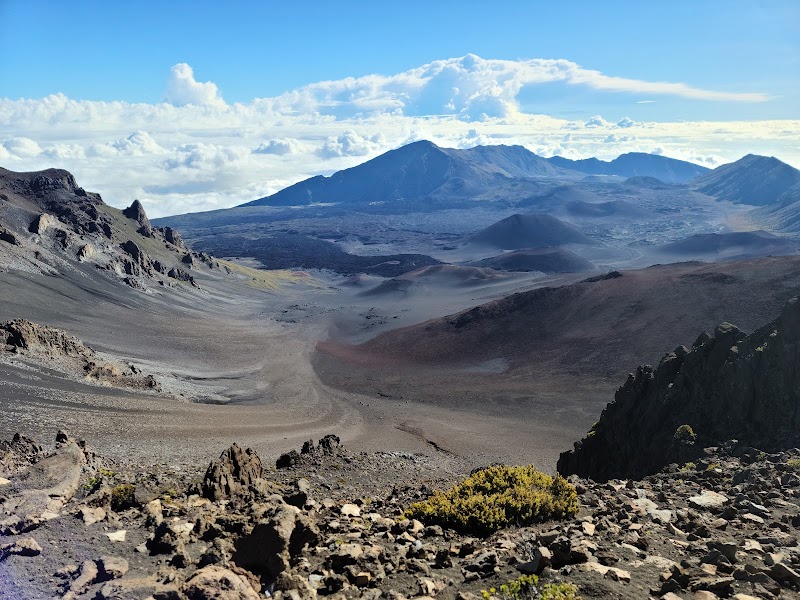
Start with the Haleakalā Crater Road for sunrise—the elevation gain of about 10,000 feet across a 38-mile drive pushes you into a high desert that welcomes dawn before the rest of the island stirs. Arrive well before sunrise; temperature dips near freezing at the summit remind you that even tropical places demand sturdy layers. Once the sun pushes its first fingers above the clouds, the sky ignites in shades of amber and violet, the rugged volcanic terrain opening like a vast amphitheater to your senses.
Downhill, the Road to Hana is the go-to for sunset, especially between mile markers 10 and 20, where lush rainforests frame waterfall cascades and coastal cliffs thrust into the Pacific. The route’s twisty, narrow roads mean timing is crucial: start your late afternoon drive early enough to reach a lookout like Waianapanapa State Park with at least 30 minutes before sunset. The ocean breeze pushes against you as the sun dips, casting long shadows and igniting the waves below.
Weather on Maui is an unpredictable partner. Trade winds often breeze from north to northeast, but quick shifts can bring passing showers that make forest paths slick and coastal views misty. Early mornings often hold calmer air, best for summit treks and clear horizons. Afternoons can swell with clouds or intermittent rain, so pack waterproof layers and waterproof footwear for forest trails and shale foothills.
When hiking near sunrise or sunset, hydration and safe footing cannot be overstated. Trails like Sliding Sands at Haleakalā cover 11 miles round-trip with 1,800 feet elevation loss and gain on rocky, loose terrain, demanding steady boots and poles if balance is an issue. On the Road to Hana, shorter forest walks like Twin Falls (1.5 miles, moderate elevation) offer highlights of waterfalls and tropical birdcalls before you hit the sun’s final hour.
Navigating these periods is about rhythm—wake before the island pulls itself upright so you’re already moving when light breaks; arrive at vantage points early enough to claim your view, but time your return in fading light or use a reliable headlamp. Charge your devices and carry a map; cell signals in remote areas can falter, and the terrain commands respect, not shortcuts.
In essence, chasing sunrise and sunset on Maui’s iconic paths pits you in a dialogue with time and weather, where every moment counts. The terrain waits, patient and fiercely authentic, rewarding those prepared to listen. This is not just an outing—it’s a measured venture into an island that defies hurry while offering the payoff of rare, unscripted beauty.
Nearby Trips
All Adventures
Boat Charters
Water Activities
Adventures near Kahului
Discover the unique and memorable adventures that make Kahului special.
Frequently Asked Questions
What time should I arrive for sunrise at Haleakalā?
Plan to be at the Haleakalā summit at least 30 to 45 minutes before official sunrise to find parking, get a spot at popular viewpoints, and prepare for rapidly changing temperatures.
Are permits required for sunrise trips at Haleakalā?
Yes, a permit is required to visit Haleakalā National Park for sunrise. Reservations can be made online and are essential during peak seasons to guarantee access.
Which scenic spots along the Road to Hana are best for sunset watching?
Waianapanapa State Park and Hamoa Beach offer dramatic ocean-facing views perfect for sunset. Plan your timing carefully to avoid driving in the dark on this narrow road.
How does Maui’s weather affect trail conditions for sunrise and sunset hikes?
Trade winds bring moisture mainly to the east/northeast sides, causing slippery trails and mist. Summit areas at Haleakalā can be cold and windy, especially in winter or early morning before daylight.
What wildlife might I encounter during these hikes?
Look for native birds like the ‘Apapane and Io hawks as well as mongoose and feral goats. Near Hana, frogs and invasive coqui may be audible in forested areas at sunset.
Is it safe to hike after sunset on Maui’s scenic trails?
Generally, hiking after sunset is not recommended unless the trail is well-marked and you have proper lighting. Remote areas can become disorienting quickly, and weather changes add risk.
Recommended Gear
Waterproof Hiking Boots
Grip and waterproofing keep you steady on wet, rocky pathways, especially near Hana’s waterfalls and volcanic shale.
Layered Clothing
Thermal base layers and windproof shells guard against temperature fluctuations at high elevations and coastal breezes.
Headlamp or Flashlight
Crucial for safe navigation before dawn or after sunset where natural light wanes quickly.
Hydration System
Carry 2+ liters of water; hydration bladders or bottles depending on preference to stay fueled along exposed segments.
Local Insights
Hidden Gems
- "Hanawi Falls viewpoint, a quieter alternative to Twin Falls along the Road to Hana"
- "Pu’u Ula’ula (Red Hill) trail loop near Haleakalā crater providing a less crowded vantage"
Wildlife
- "Native ‘Nene geese occasionally spotted near summit ridges"
- "Rare honeycreeper birds flitting through forest canopy on Hana trail sections"
History
"The sunrise rituals atop Haleakalā hold cultural significance to native Hawaiians, believed to be the home of Maui the demigod who lassoed the sun to slow its passage."