
Prime salmon fishing near Tidewater Glacier offers a thrilling, practical adventure staged against a backdrop of icy waters and old-growth forests. Learn when to time your trip for the best catch, the essential gear to bring, and how to navigate the rugged terrain safely.
Time Your Visit for Peak Salmon Runs
Plan your fishing trip between mid-July and early September when salmon runs are strongest and waters are safer to navigate.
Wear Waterproof and Rugged Footwear
The trail to fishing spots involves wet, slippery terrain; solid waterproof boots with good traction help prevent injury.
Carry Sufficient Hydration
Hiking and fishing in this environment requires at least 2 liters of water plus electrolyte supplements to maintain energy levels.
Check Local Regulations and Permits
Ensure you have up-to-date fishing permits and understand catch limits to protect the salmon population and comply with conservation rules.
Timing Your Prime Salmon Fishing Adventure Near Tidewater Glacier

Seward Full Day Glacier & Wildlife Tour
8 Hours • Up to 6 People • Experience Tidewater Glacier, Kenai Fjords National Park, & Wildlife
Discover the majestic glaciers and abundant marine wildlife of Alaska on this full day Seward tour with Latitude 60 Marine. Perfect for nature lovers and adventure seekers alike, this experience offers stunning scenery and unforgettable wildlife sightings.
Fishing for salmon near Tidewater Glacier is an adventure best timed with precision. The glacier’s icy presence feeds vibrant waters pulsing with returning salmon, but the window to catch these silver warriors demands respect for both nature’s rhythm and practical preparation.
The best salmon runs occur from mid-July through early September. During this period, the fish push upriver, their currents seeming to dare you to keep pace. Temperatures are milder, which helps with both fishing comfort and river safety. Before mid-July, waters remain cold and swift from recent glacial melt, making the fishing both challenging and less abundant.
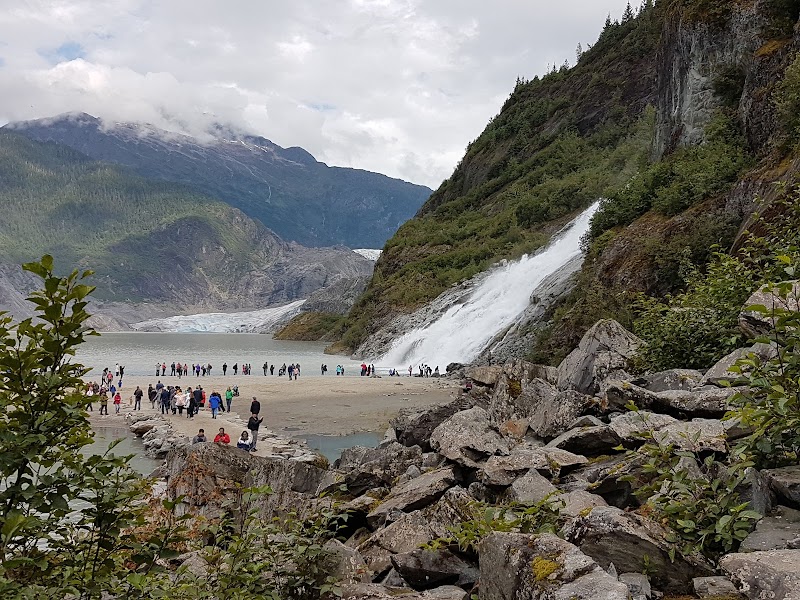
The terrain here is rugged and raw. The journey to prime fishing spots ranges from 5 to 8 miles round trip, with an elevation gain close to 800 feet. The trail traverses dense forested paths where towering spruce and hemlocks whisper overhead, and the river carves sharp bends below, its currents pushing steadily forward. Expect wet, sometimes slippery footing, so sturdy waterproof boots are essential.
Plan your outing around the tides and daily salmon behavior. Early morning and late evening are prime, when the fish are most active and the light softens, enhancing the connection with the wild environment. Midday sun warms the riverbanks but can push salmon to deeper, cooler waters.
Hydration is critical; the physical engagement of hiking and fishing in this raw landscape draws heavily from your reserves. Bring at least 2 liters of water and electrolyte supplements, as the exertion combined with Pacific Northwest humidity can drain stamina quickly.
Respect the fierce ecosystem—salmon runs are vital to the local food chain and culture. Carry all fishing permits, observe catch limits, and practice catch-and-release where mandated. The glacier and its surrounding wilderness are more than just a backdrop—they are fiercely alive and the success of your fishing trip depends on understanding this dynamic.
In preparation: be ready with layered clothing as temperatures shift rapidly, and have reliable navigation tools. Mobile signal is spotty; a GPS device or physical map is indispensable. The glacier’s looming mass watches silently as you engage in this seasonal ritual, reminding you that timing the run right means aligning both with nature’s pulse and your own readiness.
Timing your trip during the salmon’s peak is not just about the catch, but about engaging with a powerful environmental cycle at its prime—where movement, patience, and timing coalesce into an unforgettable experience.
Nearby Trips
All Adventures
Boat Charters
Water Activities
Adventures near Juneau
Discover the unique and memorable adventures that make Juneau special.
Frequently Asked Questions
When is the absolute best time for salmon fishing near Tidewater Glacier?
The peak salmon fishing window is mid-July through early September, when fish runs are strongest and river conditions are most manageable. Earlier months see colder, faster waters that make fishing tougher.
How difficult is the hike to prime fishing spots?
The roundtrip hike ranges from 5 to 8 miles with about 800 feet of elevation gain. The terrain includes forest trails with wet and sometimes slippery sections, suitable for hikers with moderate fitness and good footwear.
Are there any fishing regulations visitors should be aware of?
All anglers must carry a valid Alaska fishing license and adhere to established catch limits and seasons. Some areas may require catch-and-release only to protect spawning salmon populations.
What wildlife might I encounter during my fishing trip?
Besides salmon, expect to see bald eagles scavenging riverbanks, black bears attracted by spawning salmon, and otters navigating the swift waters. Always maintain a safe distance and store food securely.
Is it possible to camp near the glacier for early fishing starts?
Backcountry camping is permitted in designated areas, but sites are limited and weather can change rapidly. Prepare for cold nights and bring appropriate gear if camping overnight.
How do tides affect salmon fishing near Tidewater Glacier?
Salmon activity intensifies during certain tidal phases; incoming tides often concentrate fish nearer shorelines. Timing your fishing around tides can increase chances of success, particularly at dawn and dusk.
Recommended Gear
Waterproof Hiking Boots
Keeps feet dry and provides traction on wet, uneven ground.
Fishing License and Gear
Necessary for legal salmon fishing; bring rod, tackle, and proper bait.
Hydration System
Provides water and electrolytes critical for stamina during day hikes.
Layered Clothing
Adjusts to fluctuating temperatures and sudden rain showers.
Local Insights
Hidden Gems
- "Hidden Point overlooking the glacier offers a panoramic view without the worst crowds."
- "A small waterfall along the trail creates a quiet resting spot where moss blankets the rocks."
Wildlife
- "Black bears feeding on salmon carcasses"
- "Bald eagles perched along the river"
- "River otters darting beneath the glacial surface"
History
"The region around Tidewater Glacier has been integral to the Tlingit people for centuries, who rely on salmon runs as a key resource and part of their cultural traditions."