Experience Alaska’s pristine waterways through kayaking while learning essential etiquette and conservation tips. This guide offers practical advice to navigate these scenic waters responsibly, promoting safety, respect for wildlife, and sustainable adventuring in one of America’s most awe-inspiring natural landscapes.
Respect Marine Wildlife
Maintain a minimum distance of 100 yards from whales and 50 yards from seals and otters to avoid disturbing their natural behaviors.
Yield to Larger Vessels
Keep clear of fishing boats and ferries; paddle predictably and use hand signals to communicate your intentions.
Carry a Signaling Device
Have a whistle or waterproof signal mirror to alert others in case of emergencies or poor visibility.
Pack Out All Trash
Bring reusable containers and dispose of all waste properly to keep the waters clean and habitats healthy.
Navigating Alaska’s Scenic Waters: Kayak Etiquette and Conservation Tips

Single Kayak Rentals
Two Day Minimum - For kayak camping and other adventures
Discover the beauty of Seward’s coastline with a solo kayak rental from Miller's Landing. Perfect for adventure seekers and nature lovers, this activity offers a tranquil escape into Alaska’s stunning waters. Keep reading to learn more about what makes this experience unforgettable!
Alaska’s waterways are a wild breath of wilderness, carving paths through expansive fjords, glacial rivers, and coastal bays that pulse with life. Kayaking here is an invitation to engage with nature that is fiercely itself—waters that nudge and test as much as they welcome, demanding respect and careful stewardship. Whether you’re setting off from the tide-lipped shores near Juneau or the sheltered inlets of Prince William Sound, understanding kayak etiquette and conservation isn’t just good practice—it’s essential to preserving this extraordinary environment.
When launching your kayak into these scenic waters, start with awareness. Keep a safe distance from wildlife, especially marine mammals like seals, sea otters, and whales. They are the real rulers here, moving with quiet authority beneath the ripples. Approach slowly and avoid sudden movements or loud noises that could disrupt their routines. Remember, the ocean currents and tides dictate your pace as much as your paddling. Let the water guide you rather than forcing its flow.
Sharing the water is another critical aspect. Kayakers often encounter motorboats, fishermen, and other paddlers. Yield to larger vessels and maintain a visible profile. Paddle in single file when in groups to minimize wake disruption and shoreline erosion. Respect local fishing zones and avoid crossing nets or traps. This practical etiquette ensures safety for everyone and keeps Alaska’s waters a shared sanctuary.
Conserving Alaska’s aquatic ecosystems calls for mindful decisions that extend beyond the kayak. Avoid using plastics or leaving any trash behind; pack out what you bring in. Use biodegradable sunscreen to protect delicate marine habitats. Choose camping spots with care, preferably designated areas or spots previously used to limit ecological footprint.
Weather can shift sharply, and the water’s mood can change without warning. Dress in layers suitable for wet, cold conditions even on sunny days, and always wear a personal flotation device. Carry a whistle or signaling device for emergencies. Hydration matters too—bring enough water, but secure containers so they don’t spill into the waves.
Kayaking Alaska’s waters isn’t about conquering the wild; it’s a dialogue with a landscape that commands patience and respect. When practiced with care and responsibility, your journey will deepen your connection to one of the last great frontiers and help ensure its vitality for future adventurers.
Nearby Trips
All Adventures
Boat Charters
Water Activities
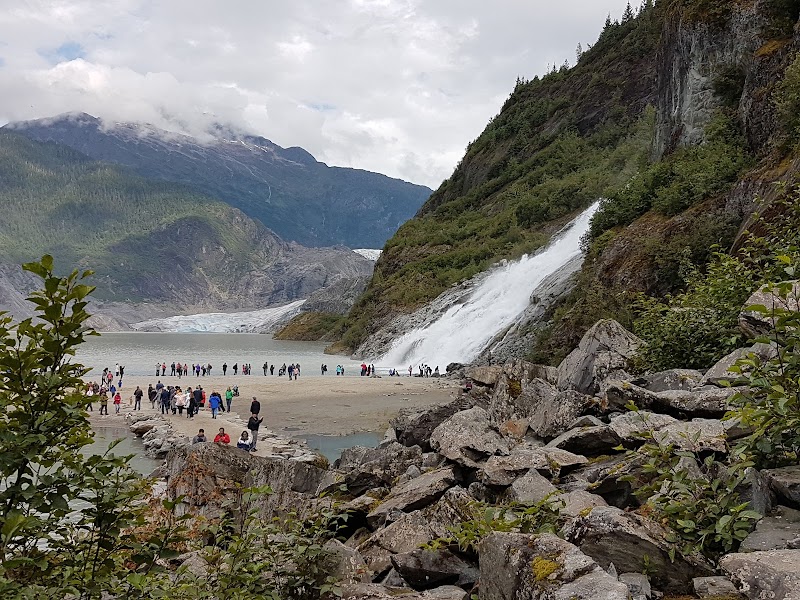
Adventures near Juneau
Discover the unique and memorable adventures that make Juneau special.
Frequently Asked Questions
How close can I safely approach wildlife while kayaking?
Maintain at least 100 yards from large marine mammals like whales and 50 yards from smaller animals such as seals and sea otters. Approaching too closely can stress animals, cause erratic behavior, and potentially endanger both parties.
What are the key safety precautions for kayaking in Alaska’s waters?
Always wear a PFD, carry a whistle or signaling device, check tide charts and weather forecasts before launch, dress appropriately for cold water, and never kayak alone. Be prepared for sudden weather changes and strong currents.
Are there restrictions on campfires or overnight camping along kayaking routes?
Yes, many shores are designated as protected areas where campfires are prohibited to minimize fire risk and habitat damage. Use designated campsites where available and follow Leave No Trace principles.
What should I do if I capsize in cold waters?
Attempt to stay calm and hold onto your kayak if possible. Use self-rescue techniques to re-enter, or roll if you’re trained in kayak rolling. Signal for help if necessary, and always wear thermal protection to prevent hypothermia.
Can I kayak year-round in Alaska?
While kayaking is possible year-round, summer offers the safest and most accessible conditions. Winter kayaking is for highly experienced paddlers with specialized gear, due to freezing temperatures and ice hazards.
How can I minimize my environmental impact while kayaking?
Avoid disturbing wildlife, stick to established launch and landing sites, pack out all trash, use eco-friendly sunscreen, and respect local fishing areas. These practices help maintain aquatic ecosystems for generations to come.
Recommended Gear
Personal Flotation Device (PFD)
A well-fitted PFD is mandatory for safety across all seasons.
Dry Suit or Wet Suit
Protects against hypothermia in Alaska’s cold waters; choose based on water temperature and season.
Waterproof Dry Bags
Keeps gear and essentials dry during unexpected splashes or capsizes.
Layered Technical Clothing
Lightweight, moisture-wicking layers with wind and water resistance offer comfort and temperature control.
Local Insights
Hidden Gems
- "Fords Terror Wilderness – a less trafficked area with dramatic cliffs and tranquil bays"
- "Saint James Bay – known for its calm waters and rich birdlife"
- "Mendenhall Wetlands – a complex of tidal marshes offering serene paddling and wildlife sightings"
Wildlife
- "Harbor seals lounging on rocks"
- "Humpback whales breaching offshore"
- "Bald eagles perched high in coastal spruce"
- "Sea otters curling on their backs in kelp beds"
History
"These waters have long served the Tlingit people, who navigated the channels for generations hunting, fishing, and trading. Paddling here connects to a deep cultural heritage tied to the aquatic landscape."