Mastering Timing for Peak Riding Conditions on Ridge Rider Trails, Missouri
Ridge Rider Trails offer a rugged and dynamic mountain biking experience just outside Joplin, Missouri. Understanding the best times to ride enhances safety and enjoyment, helping you tackle its challenging terrain with confidence and purpose.
Ride Early or Late to Avoid Heat
Missouri’s summer afternoons can push heat and humidity to uncomfortable levels. Start early morning or late afternoon to catch cooler air and firmer trails.
Stay Hydrated with Electrolytes
Carry at least two liters of water and electrolyte supplements because water sources along Ridge Rider Trails are limited and the terrain demands consistent hydration.
Wear High-Grip Footwear
Select shoes that provide secure footing on loose gravel and rocky sections to maintain control on steep ascents and sharp descents.
Check Trail Conditions Before Riding
Ridge Rider Trails can become muddy or slippery after rain. Confirm trail reports to avoid hazardous conditions, especially in early spring or late fall.
Mastering Timing for Peak Riding Conditions on Ridge Rider Trails, Missouri

Ridge Rider Mountain Bike
Discover the thrill of exploring Amelia Island on an electric mountain bike. Perfect for scenic rides and outdoor adventures, this experience offers fun and freedom in natural surroundings.
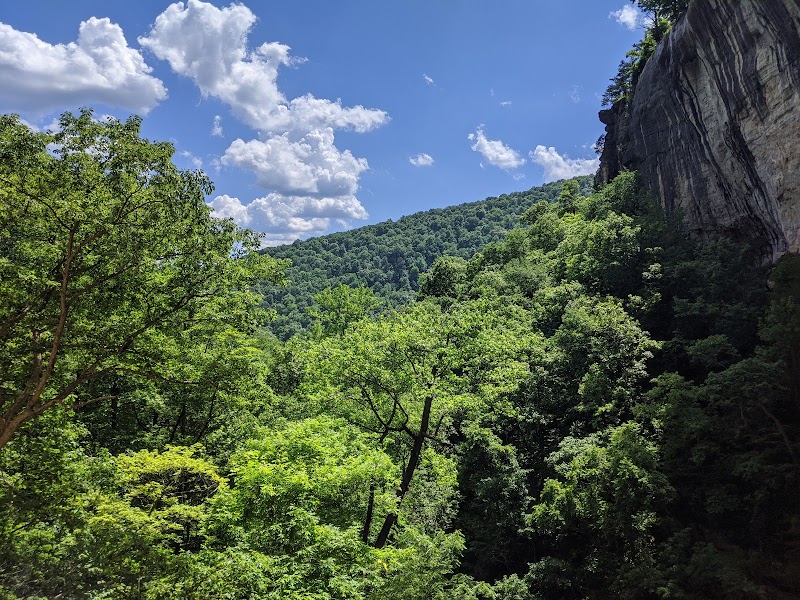
Ridge Rider Trails, sprawled across the rugged contours of southwest Missouri, challenge riders with a landscape fiercely itself. Spanning roughly 14 miles, these dirt tracks wind through dense oak forests, open ridges, and steep descents, lifting around 1,200 feet from base to summit. To engage fully with the trail’s character—its steep climbs daring you upward, the loose gravel pushing you forward—you need to understand when the terrain and weather align for prime riding.
The riding window here is narrow but rewarding. Late spring through early fall, roughly May to September, offers the most balanced conditions. Trails shed winter’s mud early and dry out under steady sun, while warmer temperatures keep footing firm and predictable. Morning rides starting just after dawn reveal dew-sparkled leaves and cooler air, making the first miles a refreshing warm-up before the forest heats under the midday sun.
Avoid peak summer afternoons when Missouri’s humidity can sap energy and turn soil into slippery mud. Instead, aim for early mornings or late afternoons when the sun angles low, drawing sharp shadows across the trail and exposing the contours of rock and root that test riding skill. Fall adds a layer of crispness to the air, but leaves scatter over trails, silencing the normally sharp chatter of your tires—stay alert for hidden obstacles.
Timing isn’t just about weather; the trail’s rugged terrain demands respect. Steep climbs and sudden drops ask for steady pacing. A full ride often spans 3 to 4 hours for experienced riders, with challenging segments requiring precise control and solid stamina. Hydration matters here—water sources are scarce along the route, so carrying at least two liters is wise, paired with electrolyte replacements if summer heat persists.
Footwear and gear choices hinge on timing, too. High-grip, durable shoes compatible with pedals give you control on slick rocks and loose soil, critical on this terrain that tests balance and confidence. Weatherproof layers and gloves become essential as temperatures fluctuate between morning chills and afternoon warmth.
Ridge Rider Trails maintain a fierce persona across the seasons. Spring mornings bring birdcalls from bordering hollows, their rhythms broken only by your tires crunching dry leaves, while summer sun presses the dense undergrowth into a humid enclosure. Fall’s cool air sharpens senses—colors shift from greens to fiery reds and golds—and winter trails exist in silence, often off-limits due to ice and mud but promising solitude for the most determined.
Prepare to meet the trail on its terms. Respect its rhythm, timing your ride to balance environmental forces with your own readiness. That measured approach reveals its more subtle details—the whisper of wind through pine needles, the momentary hush when the forest seems to pause and watch, waiting alongside you. Ridge Rider Trails reward the rider who moves with purpose, aware that this is no mere path but a dynamic edge between rider and wilderness.
Nearby Trips
All Adventures
Boat Charters
Water Activities
Adventures near Joplin
Discover the unique and memorable adventures that make Joplin special.
Frequently Asked Questions
What is the total distance and elevation gain of Ridge Rider Trails?
The trail totals about 14 miles with an elevation gain near 1,200 feet, involving steady climbs and technical descents that require both stamina and bike handling skill.
Are there water sources available on the trail?
Water sources along Ridge Rider Trails are scarce and unreliable. Riders should carry ample water, ideally two liters minimum, and electrolyte replacements, especially in warm months.
How technical is the terrain for beginners?
The trail is rated challenging, featuring rocky sections, loose gravel, and steep drops that demand solid mountain biking experience. Beginners should consider shorter, less technical trails until skills improve.
When do the trails typically dry out after rain?
Due to the dense canopy and soil type, trails can remain wet for 1-3 days after significant rain, with shaded sections staying muddy longer. Check local conditions before planning rides soon after storms.
Are there any lesser-known viewpoints worth exploring?
Yes, just past the ridgeline near mile 10 lies a quiet overlook, less frequented by riders, offering sweeping views across the Ozark hills and the distant Joplin skyline on clear days.
What wildlife might riders encounter?
Expect to see white-tailed deer, wild turkeys, and occasional red fox tracks. The forest canopy often hosts woodpeckers whose rhythmic drumming punctuates the ride.
Recommended Gear
Mountain Bike with Full Suspension
A full suspension bike helps absorb shocks from rocks and roots, providing control on technical ridges and sharp descents.
Hydration Pack with Electrolyte Storage
Maintaining hydration on this dry, strenuous trail is critical—carry at least two liters plus electrolytes.
High-Traction Riding Shoes
Shoes that grip pedals firmly ensure good power transfer and stability on unstable terrain.
Lightweight Layered Clothing
Layering helps regulate body temperature as fall mornings start cool but can warm quickly by midday.
Local Insights
Hidden Gems
- "Quiet ridgeline overlook near mile 10"
- "Shallow creek crossing just south of main trailhead"
- "Hidden rock outcrop with panoramic views eastward"
Wildlife
- "White-tailed deer"
- "Wild turkeys"
- "Red foxes"
- "Various woodpecker species"
History
"The Ridge Rider Trails cut through territory historically used by early settlers for logging and hunting. Some old logging roads intersect parts of the trail, bearing silent witness to the area’s utilitarian past."