Grand Teton National Park offers dynamic wildlife viewing against rugged mountain backdrops where preparation is crucial. Equipping yourself with the right gear not only enhances the chance to spot elusive animals but ensures comfort and safety on varied terrain.
Pack Quiet, Layer Smart
Wear muted colors and noise-dampening gear to avoid startling wildlife while layering clothes to adapt to volatile temperatures.
Bring Stable Optics
A pair of 8x42 binoculars provides balance between magnification and stability, ideal for spotting elusive animals without excessive bulk.
Hydration Means Stamina
Carry at least 2 liters of water per person; the combination of elevation and exertion dries you out faster than you expect.
Use Maps or GPS with Wildlife Markings
Understand common animal paths and habitats by using detailed topographic maps or GPS devices to increase spotting opportunities safely.
Essential Wildlife Spotting Gear for Grand Teton National Park Tours

Grand Teton National Park Tour (Jackson Hole) - Private
May to November • 8 Hours • Excellent Wildlife Viewings
Discover the stunning landscapes of Grand Teton National Park on this private bike tour from Jackson Hole. Perfect for outdoor lovers, this guided adventure reveals breathtaking mountain scenery and wild habitats. Experience the outdoors in style and comfort with a personalized touch.
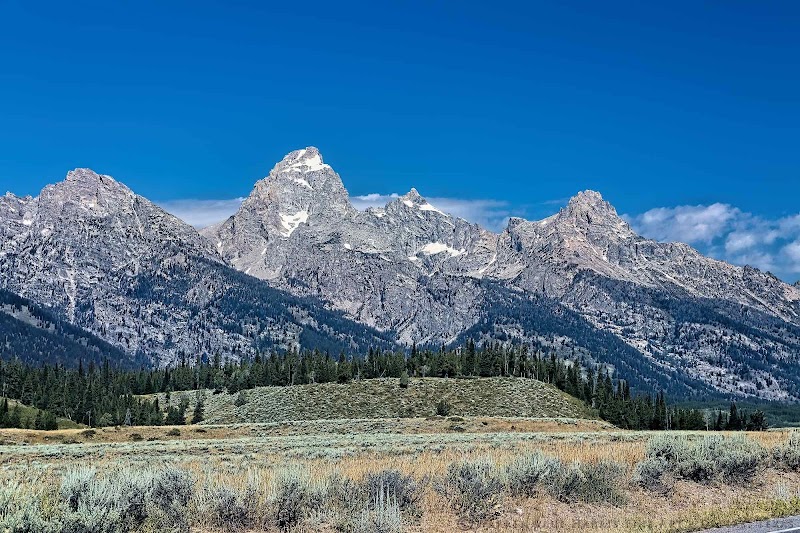
Grand Teton National Park commands attention with its towering peaks and diverse wildlife ecosystems daring you to look closer. To navigate these rugged scenes and catch glimpses of elk grazing in meadows or a soaring eagle riding thermal currents, preparation is key. Wildlife spotting here isn’t just about luck—it requires gear that balances durability, mobility, and precision.
Start with optical equipment: a pair of binoculars is indispensable. Look for models in the 8x42 range, which give crisp, bright views without too much shake. Compact and lightweight options allow you to carry them comfortably on trails that vary from flat river valleys to steep alpine passages with elevation gains often around 500 to 1,500 feet.
A spotting scope can deepen the experience during stationary wildlife watches, especially in dawn or dusk light when animals are most active. Tripods compatible with lightweight scopes ensure steady viewing without tiring your arms.
For navigation, a GPS device or a reliable topographic map specifically highlighting wildlife corridors will help you interpret terrain where animals move unseen—whether elk tracks along the Moose-Wilson Road or bear trails near Leigh Lake. The terrain shifts from forested paths murmuring with wind to open ridges framing the Teton range, so footwear must flexibly support you across mixed surfaces.
Dress in layers designed for variable mountain weather; wildlife rarely appears under sunny skies alone. Early mornings and evenings herald the best sightings but can be sharply cold. Moisture-wicking base layers, insulated mid-layers, and a windproof shell create a system that adapts without bulky excess.
Stay hydrated and fueled. Wildlife spotting demands patience and movement over distances generally between 3 to 8 miles, sometimes at elevations near 7,000 feet where the air thins and fatigue sets quicker. Carry a hydration bladder and high-energy snacks that survive long trails.
Silence is your ally. Gear with muted colors and minimal noise—quiet gloves, stealthy packs—reduce the chance of startling a moose standing just beyond a bend. And the final touch: a wildlife guidebook tailored to regional species sharpens your eye, helping identify not only what you see, but what you hear or smell.
Whether following the Snake River’s course or scanning the alpine meadows below the Cathedral Group, your gear shapes your ability to engage with the wild, fiercely itself. This is not a walk in the park; it is a measured dance with an environment that commands respect, patience, and savvy preparation.
Nearby Trips
All Adventures
Boat Charters
Water Activities
Adventures near Jackson
Discover the unique and memorable adventures that make Jackson special.
Frequently Asked Questions
When is the best time of day for wildlife spotting in Grand Teton?
Early mornings and late afternoons offer the highest likelihood of sightings as animals become more active during cooler, quieter periods.
Are guided tours recommended for wildlife spotting here?
Yes. Guides enhance safety, improve wildlife detection chances, and provide background knowledge about animal behavior and park ecosystems.
What animals are commonly spotted in the park?
Visitors often see elk, moose, bison, black bears, and a variety of bird species including eagles and osprey, especially near water bodies.
Is it necessary to carry bear spray on wildlife tours?
Carrying bear spray is strongly recommended given the presence of both black and grizzly bears; knowing how to use it effectively can be lifesaving.
What should I do if I encounter wildlife on the trail?
Keep a safe distance, remain calm, avoid sudden movements, and let the animal move away on its own; never approach or feed wildlife.
Are drones allowed for wildlife photography in Grand Teton?
No. The park prohibits drones to protect wildlife from disturbance and maintain natural soundscapes.
Recommended Gear
8x42 Binoculars
Provides a clear and steady view of wildlife at a distance without excessive weight or bulk.
Moisture-Wicking Base Layers
Keeps you dry and comfortable in fluctuating mountain weather, important across seasons.
Lightweight Spotting Scope with Tripod
Enhances distant viewing during stationary wildlife watches when light and patience prevail.
Durable Hiking Boots
Supports feet throughout uneven terrains from meadows to rocky slopes, reducing injury risk.
Local Insights
Hidden Gems
- "The Schwabacher Landing offers quiet riverbank views where wildlife frequents with fewer crowds."
- "Taggart Lake Trail includes lesser-known viewpoints behind tree cover with frequent bird activity."
Wildlife
- "Look for river otters at dawn playing in the Snake River’s currents."
- "Coyotes often call in the evening near open meadows, providing elusive auditory encounters."
History
"Grand Teton's landscape holds deep Native American cultural significance, with tribes relying on its wildlife and terrain for centuries before park establishment."