Jackson, Wyoming offers world-class fly casting opportunities that respond uniquely to each season. Whether seeking spring’s energized rush or fall’s peaceful solitude, understanding seasonal river conditions helps anglers prepare for a fulfilling adventure on the Snake River.
Check Local River Flows Before Heading Out
Water levels in the Snake River and tributaries fluctuate quickly with snowmelt and rain. Monitor current flow reports to plan for safe wading and effective fishing.
Wear Layered Clothing for Variable Weather
Jackson’s weather can swing drastically within a day. Layered clothing helps adjust to chilly mornings and warm afternoons while protecting against wind and rain.
Bring Adequate Hydration and Sun Protection
Especially in summer, long hours near reflective water require ample water and sun protection to avoid dehydration and sunburn.
Use Proper Footwear for Slippery Terrain
Riverbanks are often rocky and slick. Boots with firm ankle support and good tread reduce the risk of falls while wading or hiking to fishing spots.
Timing Your Visit: Best Seasonal Conditions for Fly Casting in Jackson, WY

Casting Lessons
All ages 10 and under must have supervision! • 1-3 Hours • 1-3 people!
Discover the joy of fly casting with private lessons along the scenic Snake River in Jackson, Wyoming. Perfect for beginners and seasoned anglers alike, this experience offers personalized instruction amidst breathtaking mountain scenery.
Fly casting in Jackson, Wyoming, is more than a pastime; it’s an interaction with wild waters that shift and breathe with the seasons. The Snake River and its tributaries challenge and reward anglers who understand their rhythms. Planning your visit around the right season isn’t just good strategy, it’s essential to get the most out of your experience.
Spring: Awakening Currents From late March through May, the snowmelt feeds the rivers, transforming them into lively veins pushing forward with urgency. The waters rise and roar, daring you to read their movements. This season offers high water levels where fish gather under logs and near submerged banks, but navigating the swollen currents requires sharp timing and attention. Dress in layers because spring in Jackson can oscillate from chilly mornings to warm afternoons. Wading boots with solid ankle support and a firm grip are critical to avoid slips on slick rocks beneath these fed rivers.
Summer: The Peak Playground June to August is prime time for fly casting. The rivers settle into steady flows, and clearer water invites longer casting distances. Morning fogs lift to reveal wide-open skies, warming steadily but rarely sizzling, offering comfortable daylight hours. Hatches of mayflies and caddisflies fill the air, painting perfect moments for dry fly fishing. Expect insects clinging to willow branches and dragonflies buzzing like small patrols over shallow riffles. The tradeoff is higher visitor numbers—Jackson’s popularity can mean busier riverbanks. Hydration becomes a focus here, especially during mid-afternoon heat spikes.
Fall: Quiet Currents and Crisp Air September through October cools the air and quiets the rivers. The Snake River loosens its daytime grip, and fish grow less cautious, feeding actively before winter’s pause. Cottonwoods drop their amber leaves, fluttering down as if to mark your path. This is the window for anglers who value solitude, with thinner crowds and crisp mornings that challenge your fingers to stay nimble on the line. A good fleece and waterproof shell will make a difference as temperatures dip after sunset, and morning frost can glaze the shoreline.
Winter: Frozen Challenges November through early March sees Jackson wrapped in snow and ice, the rivers constricting to narrow channels beneath layers of ice. Fly casting shifts from pursuit to preparation and reflection. Conditions are extreme; some stretches become inaccessible without snowshoes or skis. Yet the reward for the few hardy anglers is a pristine environment where the quiet except for occasional splashes feels intensely personal. The cold demands insulated waders and thermal gear to maintain warmth during long casts.
Plan your trip with these seasonal realities. Pay attention to daily weather shifts and local river reports. The rivers are fiercely themselves—dynamic and honest. Respect their moods, respond with flexibility, and you’ll find fly casting here is an adventure both challenging and rewarding.
Quick Facts: The Snake River’s accessible fishing stretches near Jackson vary in difficulty, often between easy and moderate, with terrain that includes rocky banks and forested trails. Most fishing spots require short hikes (1–3 miles round trip) with minimal elevation changes but expect uneven, sometimes slippery footing. Water is always near, so carry a hydration system and pack waterproof bags for gear protection.
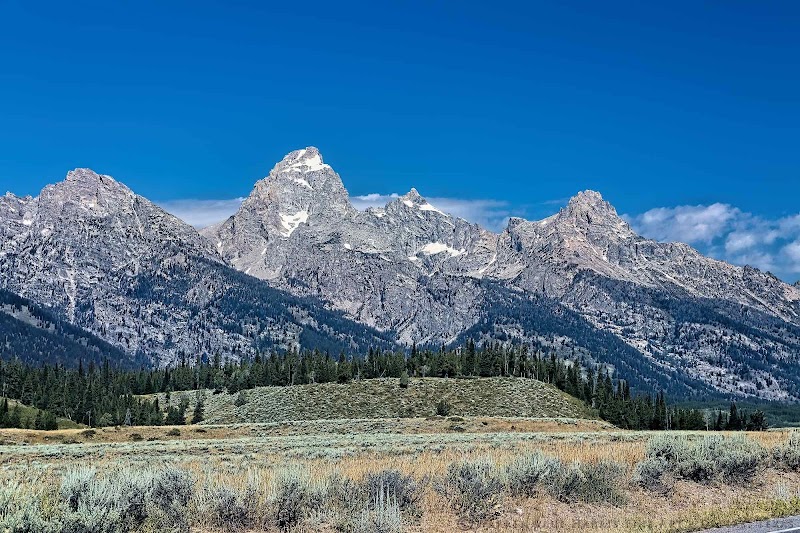
Jackson’s proximity to the National Elk Refuge and Grand Teton National Park offers countless side adventures—be prepared for changing weather and wildlife encounters across all seasons. Whether you seek the adrenaline of precision casting or quiet moments on flowing water, timing your visit will tip the balance between frustration and fulfillment.
Nearby Trips
All Adventures
Boat Charters
Water Activities
Adventures near Jackson
Discover the unique and memorable adventures that make Jackson special.
Frequently Asked Questions
When is the best time of day to fish in Jackson for fly casting?
Early mornings and late afternoons are prime times. Cooler temperatures encourage fish to feed near the surface, and insect activity peaks, improving dry fly success.
Are there specific spots on the Snake River best suited for beginners?
Yes, sections near Jackson Dam and the Upper Snake River Trail have accessible banks and gentler currents, making them ideal for novice fly casters.
How do seasonal changes affect insect hatches?
Insect hatches follow seasonal cycles: mayflies and caddis emerge in late spring through summer, while fall brings fewer but consistent hatches, all influencing fish feeding behaviors.
What wildlife might I encounter while fishing in the area?
Expect to see bald eagles, ospreys, and the occasional moose browsing nearby. Be alert for river otters and deer as well, especially near quieter tributaries.
Is a fishing license required for fly casting in Jackson’s rivers?
Yes, all anglers must acquire a Wyoming fishing license, which can be purchased online or at local vendors. Regulations vary by season and location, so check the latest rules before heading out.
Are guided fly fishing tours recommended?
For beginners or visitors new to Jackson’s waters, guides provide valuable local knowledge, equipment, and safety support, enhancing your chances for a successful outing.
Recommended Gear
Wading Boots with Good Traction
To secure footing on slick rocks and muddy banks during river access.
Layered Clothing System
For adapting to fluctuating spring temperatures and variable weather.
Hydration Pack
To maintain hydration over long sunny days near reflective waters.
Waterproof Wader Jacket
Protects against chilly winds and wet conditions typical of late fall.
Local Insights
Hidden Gems
- "Flat Creek’s quieter tributaries offer surprising pockets of untouched fishing spots away from the Snake River main channel."
- "Windy Point Overlook offers stunning views not only for sightseeing but for catching glimpses of fish rising in the morning light."
Wildlife
- "Bald eagles nest near the river banks and can often be seen swooping for fish."
- "River otters dart under the surface, their playful movements signifying healthy waterways."
History
"Jackson’s rivers have supported native Shoshone fishing practices for centuries, and early trappers heavily relied on these waterways for sustenance and trade."