
Jackson Hole offers some of the most dynamic wildlife experiences in the American West, where timing and weather turn every tour into a unique encounter. This guide unpacks the best seasons and conditions for spotting the valley’s iconic animals, helping you plan a trip impressive both for its practicalities and its wild rewards.
Start Early or Late
Wildlife is most active around dawn and dusk. Schedule your tours during these hours for the best chance of sightings.
Wear Layered Clothing
Temperatures fluctuate drastically; layering allows you to adjust comfort easily throughout the day.
Bring Binoculars
Animals often keep their distance. A quality pair of binoculars enhances viewing without disturbing them.
Hydrate and Pack Snacks
Long hikes demand good hydration and energy. Carry at least two liters of water and quick energy snacks.
Timing Your Wildlife Encounters: Optimal Weather and Seasons for Jackson Hole Tours

Jackson Hole Side-by-Side Wildlife Tour
4 hours
Discover Utah’s stunning landscapes and native wildlife on the Jackson Hole Side-by-Side Wildlife Tour. Perfect for outdoor lovers, this guided bike adventure blends scenic views with wildlife sightings for a memorable day in Torrey, Utah.
Jackson Hole’s wild expanse pulses with life, from elk parading through sagebrush flats to wolves weaving silently under pine shadows. To connect with this fiercely authentic wilderness, timing and weather are your most dependable guides. Early mornings in late spring ignite the valley with the calls of moose and the rustling of bears awakening from their dens. As the sun climbs, warm air stirs the pine-scented breeze, persuading elusive critters to find shade or forage at your feet’s edge.
Winter wraps Jackson Hole in biting cold and blankets of snow, driving animals like bison and foxes toward lower elevations where food is more generous. Afternoon shadows lengthen here too quickly for extended sightings, so plan your outings for mid-morning when the light teeters between glow and chill, coaxing wildlife into action.
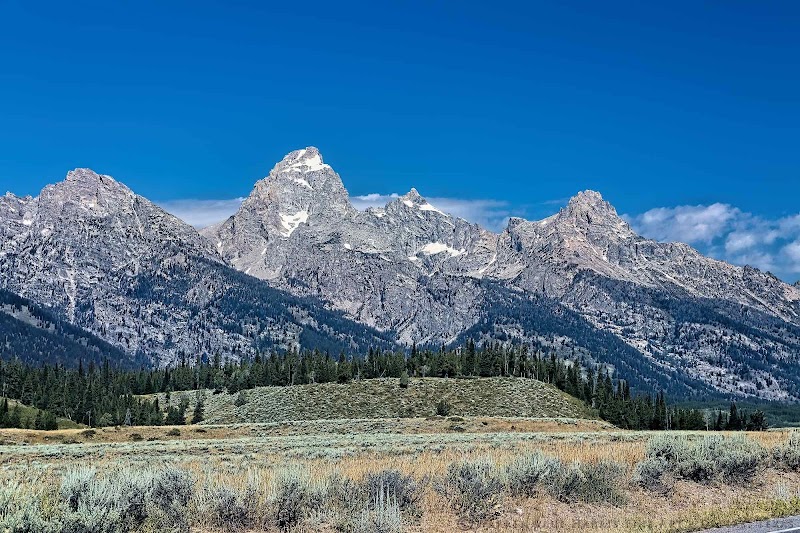
Summer invites heat that pushes animals to the higher, shaded ridges of the Tetons, where coursing streams dare you to follow their lively paths. Afternoon thunderstorms can arrive swiftly, splitting the sky—avoid exposed areas and watch for sudden shifts in weather that animals sense well before you do.
Fall is a bittersweet climax: elk begin their rut, vocalizing dominance and wrestling through open meadows. Crisp air sharpens sight lines, and golden light laces through trembling aspen leaves, spotlighting every hoofbeat and flutter. Here, tours scheduled for dawn or dusk catch the animals’ heightened energy without the distraction of midday heat.
To prepare for your wildlife tour, factor in terrain: many popular routes cover between 5 to 10 miles with elevation gains ranging from 800 to 1,500 feet. Trails traverse mixed environments—dry sage flats, forested inclines, and riverbanks pulsing with life. Footwear should balance sturdy ankle support and flexibility; be ready to cross streams that challenge your footing and test your balance.
Hydration remains a silent priority. Carry at least two liters, outdoor filters recommended for refilling at natural springs or streams offering crisp, icy water that seems to pulse with the valley’s pulse itself. Layered clothing will keep you poised against morning chills and warm afternoons, and a good pair of binoculars enhances spotlight moments when the wildlife feels just beyond reach.
Jackson Hole’s wilderness demands respect. The animals you seek are fiercely themselves, masters of their rhythms and shadows. Success lies not only in your timing but in a patience that listens—to the rustle of leaves, the distant bugle of elk, the land breathing beneath your boots. Travel with this awareness, and you won’t just see wildlife; you’ll meet it on its own terms.
Nearby Trips
All Adventures
Boat Charters
Water Activities
Adventures near Jackson
Discover the unique and memorable adventures that make Jackson special.
Frequently Asked Questions
What time of day is best for wildlife sightings on Jackson Hole tours?
Early mornings and late afternoons offer the most wildlife activity, as animals are less disturbed and temperatures are cooler. Midday can be too warm or bright, pushing animals into shaded or inaccessible areas.
How should I prepare for sudden weather changes during a Jackson Hole hike?
Layer your clothing and carry waterproof shell layers. Weather in Jackson Hole can shift rapidly, especially in summer with afternoon thunderstorms. Carrying a compact rain jacket and quick-dry clothing is wise.
Are there any hidden spots in Jackson Hole known for prime wildlife observation?
The Gros Ventre River valley offers quieter, less traveled trails with reliable moose and elk sightings. The Blacktail Butte area inside Grand Teton National Park is excellent for spotting bison and pronghorn at dawn.
Which animals should I watch for that are unique to Jackson Hole?
Besides elk and bison, keep an eye out for the elusive wolverine and the gray wolf pack reestablishing their presence in the region. Bald eagles and trumpeter swans are also seasonal visitors worth noting.
How can I minimize my impact on local wildlife during my tour?
Stick to established trails, keep a respectful distance (at least 100 yards for large mammals), avoid feeding animals, and follow Leave No Trace principles to protect sensitive habitats.
What should I do if I encounter a bear during a hike?
Stay calm, speak softly, and avoid sudden movements. Do not run. Slowly back away while facing the bear, and use bear spray only as a last resort. Make yourself look larger and be ready to stand your ground if necessary.
Recommended Gear
Hiking Boots
Provide ankle support and traction needed over rocky, sometimes wet terrain that Jackson Hole presents.
Water Filter
Useful in summer for refilling bottles from streams, ensuring safe and fresh hydration.
Thermal Layers
Essential for insulation during early mornings, dusk, and colder seasons.
Binoculars
Boost your ability to spot and observe wildlife discreetly over long distances.
Local Insights
Hidden Gems
- "Blacktail Butte for panoramic valley views and consistent wildlife presence"
- "Gros Ventre River trails where fewer tourists go and moose can be spotted near water"
- "Paintbrush Divide for higher elevation wildlife in summer"
- "Menor’s Ferry Access for quiet riverside sightings"
Wildlife
- "Elk"
- "Bison"
- "Moose"
- "Wolves"
- "Gray fox"
- "Bald eagles"
- "Trumpeter swans"
- "Mountain goats"
History
"Jackson Hole has long been a corridor for Native American tribes and fur trappers. The area remains culturally significant for its role in conservation history, notably through the creation of Grand Teton National Park."