From spring’s thaws to fall’s crisp air, Yellowstone and Grand Teton National Parks offer a dynamic landscape for outdoor exploration. This guide highlights essential seasonal safety tips, balancing the thrill of adventure with practical advice to navigate shifting weather, wildlife encounters, and trail conditions.
Adjust Your Pace to Seasonal Trail Conditions
Mud, snow, or leaf cover may slow progress—factor in extra time to navigate safely, especially on steep or rocky sections.
Hydrate Strategically
Carry at least two liters of water and refill early in the day. Streams flow abundantly in spring but reduce considerably in late summer and fall.
Bear Awareness Year-Round
Carry bear spray within easy reach and follow food storage regulations. Bears are active spring through fall, especially during fall’s pre-winter feeding.
Check Weather and Start Early
Summer thunderstorms strike fast, and fall cold can set in unexpectedly—plan hikes for morning starts and be ready to turn back if storms appear.
Navigating Nature’s Rhythms: Seasonal Safety Tips for Spring to Fall Yellowstone & Grand Teton Trips

2 Day Yellowstone & Grand Teton Tour
All ages • Maximum per vehicle: 6 guests • Season: May - Oct
Spend two unforgettable days traversing Yellowstone and Grand Teton National Parks on a guided safari, encountering geysers, glaciers, and iconic wildlife. Discover why this Montana-based tour is a top choice for nature lovers and adventure seekers alike.
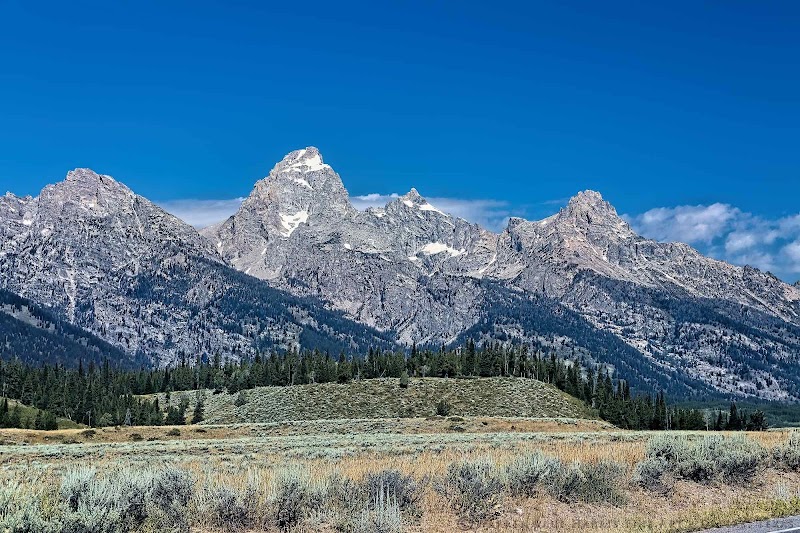
Yellowstone and Grand Teton National Parks offer an exhilarating invitation from spring through fall, where rugged trails, towering peaks, and dynamic wildlife shape an adventure unlike any other. Yet, this grandeur demands respect—nature plays fiercely here, evolving with the seasons, each carrying distinct challenges and rewards.
Spring: Awakening and Alertness As winter's hold loosens, trails often bear the scars of snowmelt—slick, muddy, and unpredictable. Waterways swell, daring you to navigate streams pushing forward with renewed strength. Temperatures fluctuate wildly; dawn can still bite with frost, midday warms enough to melt ice. Prepare to layer smartly and wear sturdy, waterproof boots. Wildlife stirs from hibernation—keep your distance; elk and bears grow bold searching for food.
Summer: Full Throttle Adventure, Full Vigilance From June through early September, the parks come alive with hikers, insects, and radiant daylight stretching long into the evening. Trails range from forested pathways cloaked in pine to exposed ridges stretching toward the horizon. Heat can be deceptive—dry air saps hydration, and afternoon thunderstorms appear suddenly, drumming a warning overhead. Hydration and timing hikes early or late reduce risks. Stay on marked trails; thermal areas can simmer dangerously beneath your feet.
Fall: Golden Palette, Sharpened Instincts September and October usher in cooling air, crisp mornings, and rustling aspens shedding gold and fiery reds. Wildlife intensifies activity, preparing for winter. Bear encounters rise; fresh food sources tempt them closer to trails. Daylight shrinks, necessitating earlier starts and awareness of sudden temperature drops. Ground cover can hide slippery leaves or early frost—grip and caution are key.
Key Practical Advice
- Pack a hydration system holding at least two liters; springs bleed cold and refreshing but are scarce on some higher trails.
- Footwear with solid tread and ankle support handles mixed terrain: volcanic rock, muddy forest floors, and alpine slopes.
- Layer clothing: moisture-wicking base, insulating mid-layer, and waterproof outer shell to adapt quickly.
- Carry bear spray and understand safe storage of food; interaction with wildlife holds consequences for both you and animals.
Trail Highlights
- The Cascade Canyon Trail in Grand Teton: 9.1 miles round trip with a 1,700-foot gain offers sweeping alpine views and forested relief. Spring snow persists at higher elevation; summer rewards with wildflowers.
- Yellowstone’s Mount Washburn Trail: 6.2 miles round trip, 1,400-foot elevation gain, terrain shifts from open ridges to shaded woodlands with panoramic views that feel like standing on the spine of the park.
Every step taken is a dialogue with a landscape that is fiercely itself: beautiful, unpredictable, and always demanding respect. Plan wisely, move deliberately, and listen closely to the elements as the seasons unfold on your Yellowstone and Grand Teton journey.
Nearby Trips
All Adventures
Boat Charters
Water Activities
Adventures near Jackson
Discover the unique and memorable adventures that make Jackson special.
Frequently Asked Questions
When is the best time to see wildlife safely in Yellowstone and Grand Teton?
Early spring and fall mornings are prime for wildlife observation as animals are most active feeding during cooler parts of the day. Always keep a safe distance, use binoculars, and never approach animals directly.
How can I stay safe from bears while hiking?
Carry bear spray easily accessible, hike in groups, make noise periodically to alert bears, and store food properly in bear-proof containers or locked vehicles. Avoid hiking at dawn or dusk when bears are most active.
Are the trails suitable for beginners?
Many trails such as those around Jenny Lake or shorter segments of the Mount Washburn Trail are accessible for beginners but require a moderate level of fitness. Plan conservatively, carry essentials, and know your limits.
How do weather conditions change through the hiking season?
Spring brings unstable weather with frequent snowmelt; summer is generally stable but thunderstorms can build suddenly; fall sees rapid drops in temperature and early frosts, requiring attention to early start times and layered clothing.
What unique hazards should hikers expect in this region?
Thermal vents and geyser areas pose burn risks—stay on marked paths. Streams and rivers can rise quickly in spring. Also, falling rocks and sudden weather shifts demand vigilance.
Can I rely on cell phone coverage in the parks?
Cell coverage is limited and patchy across Yellowstone and Grand Teton. Prepare for communication blackouts by sharing your itinerary with someone, carrying a map, and considering a satellite communication device for emergencies.
Recommended Gear
Waterproof Hiking Boots
Spring's melting snow and mud-slick trails demand durable, waterproof footwear to maintain traction and comfort.
Layered Clothing System
Flexibility in clothing helps you adapt to rapid temperature shifts and variable weather from cool mornings to warm afternoons.
Bear Spray
A critical safety tool for encounters during hiking seasons when bears are active and for deterring aggressive wildlife.
Hydration Pack or Bottles
Long, dry summer days require a reliable hydration system holding at least two liters to prevent dehydration.
Local Insights
Hidden Gems
- "Phelps Lake Overlook in Grand Teton offers quiet, panoramic views often missed by crowds."
- "Artists Point at the south end of Jenny Lake provides a dramatic angle on the Tetons rarely crowded outside peak hours."
Wildlife
- "Watch for moose grazing near wetland edges in spring and early summer."
- "Bighorn sheep frequent rocky ridges and offer thrilling observation when found along trail edges."
History
"The lands have been shaped by Native American tribes like the Shoshone and Gros Ventre, with rich cultural stories tied to the mountains, waters, and wildlife sustained here for centuries."