Before securing a waitlist spot for your charter adventure, tuning into seasonal conditions is vital. From swelling rivers fed by snowmelt to trail surface shifts with the changing temperature, understanding these factors shapes a safer, smarter journey in Wyoming’s rugged landscapes.
Track River Levels Daily
River flow can change rapidly with seasonal runoff; monitoring gauges helps you gauge safety and trip difficulty.
Begin Early to Avoid Heat
Summer hikes demand early starts to beat midday temperatures and conserve energy and hydration.
Wear Layered Footwear
Variable conditions mean muddy trails and icy patches; waterproof boots with solid traction are best.
Consult Local Rangers
Rangers provide the most current info on trail closures, wildlife activity, and weather hazards.
Seasonal Conditions to Monitor Before Securing a Charter Waitlist Spot

Shared Charter Wait List
Eager to fish the waters of Honolulu? Join Ohana Deep Sea Fishing’s wait list for the chance to secure a spot on their coveted shared charters and experience the thrill of deep-sea angling with flexible booking options.
Waiting for that coveted charter spot demands more than patience—it requires vigilance over the shifting moods of nature itself. Seasonal conditions are the gatekeepers here, dictating safety, timing, and the very flow of your adventure. Before locking in your waitlist spot, understanding these dynamic elements ensures your expedition aligns with the environment’s rhythm rather than battles against it.
Specifically, river charters tied to mountainous backcountry routes offer dramatic shifts with the seasons. Snowmelt swells rivers, turning them into challenging waterways daring you forward or signaling restraint. Fall’s crisp bite can turn slippery trails into tests of grip and balance while summer’s heat presses for early starts and efficient hydration. Each season sculpts terrain—from the firmness of trailbeds to the presence of hazards such as fallen trees or icy slicks.
Planning means mapping not just distances but the seasonal character of the route. A 12-mile float with a 400-foot elevation drop transforms from a placid drift in late summer into a roaring, technical run during spring floods. Knowing this affects the type of gear you bring—wetsuits for chill waters, robust footwear for mud, and layered clothing for unpredictable weather shifts.
Sensory details mix with practicality. Imagine the river’s current pushing you forward like a living force, trees lining the banks shifting from fresh green to the russet fire of fall, or snow lingering stubbornly at higher elevations long after spring’s official start. These are signals, hints from nature’s own clock that help you decide the right moment to book and board.
To secure your waitlist spot wisely, monitor local weather forecasts, river gauges, and trail reports frequently. Connect with local ranger stations or guides for up-to-the-minute insights on seasonal hazards and trail conditions. This attention protects your adventure’s integrity, helping you avoid surprises and unsafe conditions.
Finally, respect the environment’s fierce independence. Seasonal cycles are not obstacles but guides. They invite you to engage on terms set by wind, water, and earth. Preparing with clear knowledge means meeting the adventure with readiness, turning the waiting period into a proactive step toward a safe, rewarding experience.
Nearby Trips
All Adventures
Boat Charters
Water Activities
Adventures near Jackson
Discover the unique and memorable adventures that make Jackson special.
Frequently Asked Questions
How do seasonal rains affect charter availability?
Heavy rains can increase river flows, sometimes making charters unsafe or forcing cancellations. Monitoring seasonal forecasts and river gauge statuses helps avoid booking during risky periods.
When is the best time to secure waitlist spots to maximize success?
Late fall through early winter is often ideal as operators plan for spring and summer, allowing you to monitor conditions and book proactively once weather trends stabilize.
What local wildlife should be expected during charters?
Depending on season, expect elk and deer grazing near rivers, bald eagles scouting overhead, and smaller mammals like beavers shaping the riverbanks.
Are there lesser-known viewpoints along the charter routes?
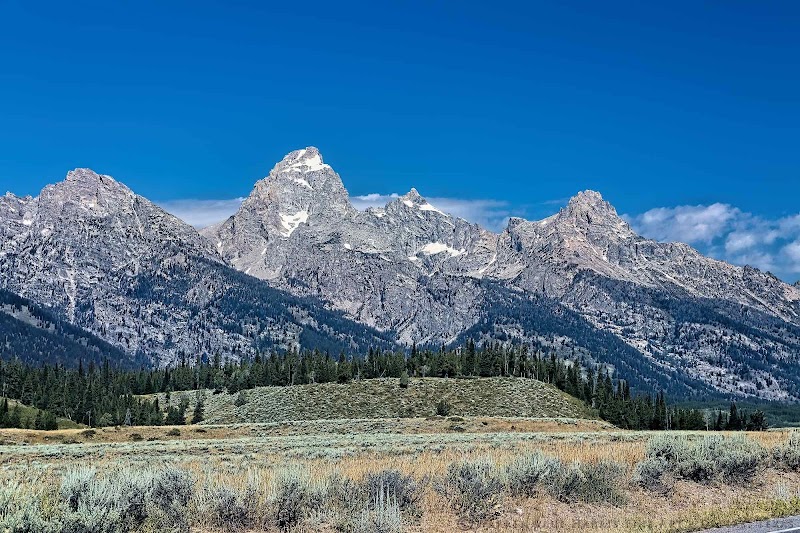
Yes, certain river bends reveal surprisingly sweeping views of the Teton Range, often missed by standard groups, accessible with guidance from experienced local operators.
What are common hazards related to seasonal trail conditions?
Slippery rocks in spring, overheated trails in summer, wet leaf surfaces in fall, and hidden ice patches in winter demand vigilance and appropriate gear.
How can I prepare physically for the seasonal challenges?
Focus on endurance training, balance exercises, and acclimating to varying weather conditions through layered clothing practice to improve comfort and responsiveness.
Recommended Gear
Waterproof Hiking Boots
Imperative for muddy trails and river crossings during wetter months.
Layered Clothing
Allows quick adaptation to shifting temperatures throughout the day.
Hydration Pack
Keeps you hydrated during hot spells and extended exertion.
River Gauge App or Device
Critical for monitoring water levels and flow changes in real time.
Local Insights
Hidden Gems
- "A secluded bend in the Snake River with dramatic cliff reflections"
- "An overlooked meadow where wildflowers bloom late into fall"
- "A small cave system near base camp suitable for brief explorations"
Wildlife
- "River otters actively fishing after spring thaw"
- "Greater sage-grouse performing mating dances in early spring"
- "Mountain goats occasionally appearing on exposed rocky slopes"
History
"The charter routes follow paths once traveled by indigenous tribes and early trappers, with several historic campsites that still bear faint remnants of fires and tools."