Experience the electrifying blend of wildlife and landscape as Grand Teton’s sunset paints the wild in golden hues. This guide arms you with essential photography and planning tips to capture elusive animals and breathtaking vistas during a quintessential Teton evening safari.
Timing Your Arrival
Start your hike 2-3 hours before sunset to explore key spots and set up for optimal light conditions and wildlife activity.
Choose Quiet Trails
Select less trafficked routes like Oxbow Bend or Willow Flats to increase chances of undisturbed wildlife encounters.
Pack Water and Snacks
Bring at least 2 liters of water and energy-rich snacks to stay hydrated and alert during long, slow movements at golden hour.
Wear Sturdy, Waterproof Footwear
Teton evenings can be damp with creek crossings and dewy vegetation; boots should offer traction and weather protection.
Capturing The Wild: Optimal Wildlife Photography Tips For A Grand Teton Sunset Safari

Sunset Safari & Stargazing Tour
6 Hours • All ages • Maximum per vehicle: 6-8 guests • Season: May - Oct.
Witness the beauty of Grand Teton at sunset and gaze into the night sky on a guided tour with Jackson Hole Wildlife Safaris. Discover wildlife and constellations as naturalists customize your evening adventure under the stars.
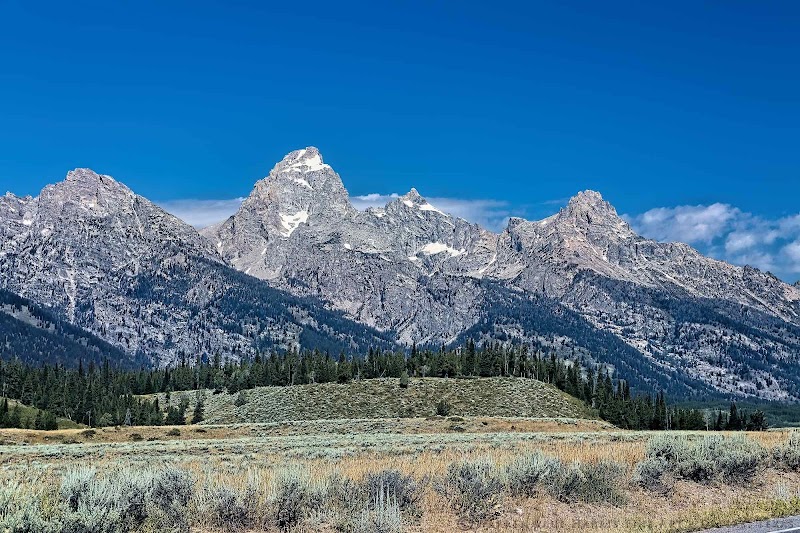
The Grand Teton range, with its jagged peaks and sweeping valleys, draws wildlife and photographers alike into a fiercely alive landscape. A sunset safari here offers a rare chance to photograph creatures as golden light bathes sagebrush flats, forests, and alpine meadows. Planning for this adventure means balancing the magic of the moment with practical preparation—your gear, timing, and approach must work with the land’s pace, not against it.
Start your safari early enough to reach key vantage points by late afternoon. Routes like the Oxbow Bend Trail and parts of the Moose-Wilson Road provide accessible terrain, with distances typically ranging from 3 to 5 miles round trip over flat to moderate elevation gains (100-400 feet). Expect mixed terrain: soft forest floor padding underfoot, gravelly streamsides daring your step, and open prairies that let the wind play bold patterns with your shirt’s collar.
Sunsets here don’t just fade light; they awaken it. The tetons ignite in shades of burning orange and soft pink as animals stir—elk sharpening their gaze, moose stepping silently through willows, and pronghorns surveying the stillness. To photograph this, position yourself with the light at your back or at an angle; front-lit subjects will reveal detail and color, while silhouettes dramatize the scene’s quiet drama.
Gear-wise, a telephoto zoom lens (100-400mm) is essential to frame wildlife with clarity without disturbing their rhythm. A sturdy tripod offsets slow shutter speeds needed to balance fading light, while a polarizing filter can tame reflections from wetland ponds or river surfaces. Carry extra batteries and memory cards; the golden hour stretches but can surprise with rapid changes as the sun dips behind jagged peaks.
Hydration remains key. The dry Wyoming air pushes sweat from your skin despite cooler evening temperatures. Water bottles of at least two liters per person, plus light snacks, will keep you energized and focused. Footwear should be waterproof yet breathable hiking boots to handle dewy grasses or sudden creek crossings comfortably.
Movement during a Grand Teton sunset safari requires quiet patience, like reading the subtle body language of elk or the brief pause of a fox scanning the horizon. Await moments where the wind softens or shifts direction—nature’s signals that an encounter may soon present. Keep the moment respectful: the animals are fiercely themselves and not subjects to be tamed.
Plan your exit with fading light in mind; dusk here arrives quickly and can chill suddenly. Bringing a headlamp and layered clothing allows safe retreats post-sunset, when landscapes shift from warm gold to shadowed cool.
For the wildlife photographer, this safari is not just about the picture but the experience—the steady inhale and exhale of the Tetons as sun slides toward night, the brushstroke of a hawk’s wing, the distant call of a coyote. Approach it prepared, alert, and you’ll return with images and memories sharpened by the mountains’ uncompromising edge.
Nearby Trips
All Adventures
Boat Charters
Water Activities
Adventures near Jackson
Discover the unique and memorable adventures that make Jackson special.
Frequently Asked Questions
When is the best time to see wildlife during a sunset safari?
The hour before and during sunset offers peak wildlife activity as animals prepare for night. Start hiking 2-3 hours before sunset to reach vantage points and be ready.
Are there restrictions on approaching wildlife in Grand Teton?
Yes. Maintain at least 100 yards from bears and wolves, and 25 yards from other animals. Use your zoom lens to keep a safe distance and avoid disturbing their natural behavior.
Which trail offers the best photo opportunities without strenuous effort?
The Oxbow Bend Trail provides flat terrain and classic views of the Tetons reflected in the Snake River, often with wildlife nearby, making it accessible and rewarding.
What should I bring besides camera gear for a sunset safari?
Bring layered clothing, a headlamp or flashlight for the hike back after dark, water, snacks, and a map or GPS device to navigate safely.
Are there any permits required for photography in Grand Teton?
General photography does not require permits, but commercial shoots do. Always adhere to park rules and respect wildlife regulations during your visit.
What local wildlife might I encounter on my sunset safari?
Expect elk, moose, mule deer, pronghorns, coyotes, bald eagles, and occasionally bears or wolves in more remote areas. Their behavior changes with seasons.
Recommended Gear
Telephoto Zoom Lens (100-400mm)
Allows capturing distant wildlife without disturbing them, essential for detailed and intimate shots.
Sturdy Tripod
Stabilizes your camera for sharp images in the low light of sunset.
Waterproof Hiking Boots
Protects feet from wet grass, creek crossings, and uneven terrain encountered on trails.
Polarizing Filter
Reduces glare from water and enhances colors during golden hour lighting.
Local Insights
Hidden Gems
- "Snake River Overlook – iconic sunrise and sunset views with fewer visitors"
- "Heron Pond – quiet wetland area attracting migrating birds and nesting swans"
- "Surfing Bear Lane – a section near Moose where bears fish in shallow streams"
Wildlife
- "Elk especially active during fall rut"
- "Moose frequent willow thickets at dusk"
- "Ospreys and bald eagles hunt along river bends"
- "Coyotes vocalize as twilight deepens"
History
"Grand Teton National Park preserves lands once traversed by Shoshone tribes, fur trappers, and early explorers, with several historic ranger cabins still standing near Jackson Lake."