Experience Grand Teton’s vibrant wildlife with expert timing and trail choices designed to bring animals into view while respecting their wild rhythms. This guide blends actionable hiking details with natural insight to help you observe elk, moose, bears, and more during your tour.
Start Your Day at Dawn
Wildlife is most active early morning; hitting the trail before sunrise increases your chances of sightings.
Wear Sturdy, Supportive Footwear
Rocky and variable terrain demands hiking boots with good ankle support to keep you safe and steady.
Carry Plenty of Water
At least two liters per person are recommended due to dry mountain air and physical exertion.
Use Binoculars or a Telephoto Lens
Maintain safe distances from wildlife while still getting up-close views through optics.
Maximizing Wildlife Sightings During Your Grand Teton Tour in Wyoming

Grand Teton Van Tour
Discover the stunning landscapes of Grand Teton National Park on a private guided van tour. Perfect for photography, wildlife viewing, and outdoor adventure, this experience offers personalized access to Wyoming's breathtaking mountain scenery.
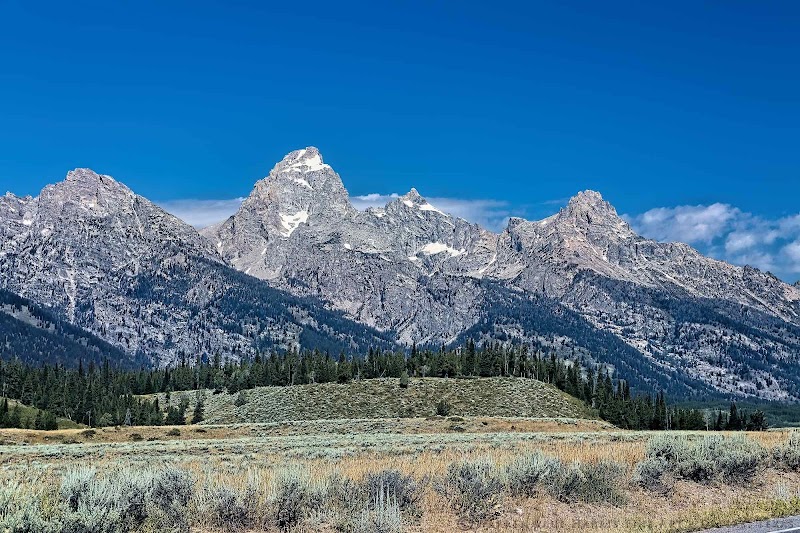
Surrounded by rugged peaks and open valleys, Grand Teton National Park stands as a living, breathing wilderness fiercely alive with animal activity. To maximize your chances of spotting wildlife here, timing, routes, and preparation come together like pieces of a well-coordinated chase.
Start early. Wildlife in the Tetons follows the light—dawn and dusk pull out the most animals from their resting spots. Trails like the Jenny Lake Loop offer a manageable 7.5-mile path with moderate elevation gain (about 700 feet), cutting through forested patches where elk stride silently and deer graze without a sound. Pay attention to the underbrush and listen for rustles; moose often lurk near freshwater edges, daring you to approach but expecting respectful distance.
The terrain varies from soft, pine-needle carpeted forest floor to rocky overlooks where marmots whistle from sun-baked boulders. Rise higher towards Cascade Canyon—an 8-mile round trip with roughly 1,200 feet of elevation gain—and the air sharpens, the pine scent thickens, and mountain goats navigate cliff edges with sure-footed grace. Here, patience matters. Stand still, let the landscape envelope you, and watch how eagles cut through thermals, their shadows scanning the valley below.
Hydration and footwear are non-negotiable; smooth-soled shoes invite slips off the slick granite, and dry throat clouds focus. Carry at least two liters of water per person and wear sturdy hiking boots with ankle support to handle uneven terrain. Weather can shift in minutes—the mountains act like a restless giant—so layers and rain gear go beyond comfort, ensuring safety.
Explore lesser-known points like the Moose-Wilson Road corridor, favored by bears and foxes. Maintain a safe distance and use binoculars or telephoto lenses to bridge the space instead of intruding on this fierce dance of survival. Park rangers emphasize quiet observation and no feed zones, preserving the natural instincts that make your sightings authentic.
By mid-morning, some animals retreat, trading active motion for shaded rest, but keep an eye near water sources where creatures return to drink. When planning, consider a professional wildlife-guided tour; local guides share hidden spots and reading animal signs that no map highlights.
Wildlife watching in Grand Tetons is less about conquering nature and more about moving respectfully within it, reading its signs, and understanding its rhythms. Every step during your hike is a conversation with a land fiercely itself, waiting for you to listen.
Nearby Trips
All Adventures
Boat Charters
Water Activities
Adventures near Jackson
Discover the unique and memorable adventures that make Jackson special.
Frequently Asked Questions
Where are the best spots for spotting moose in Grand Teton?
Moose frequently gather near wetlands and slow-moving water bodies like the east side of Jackson Lake and the Willow Flats area. Early morning or late evening is the best time to catch their silhouette among the willows.
Are guided wildlife tours worth it in the Tetons?
Absolutely. Professional guides read animal signs and know quieter trails and hidden vantage points, improving your chances of safe and respectful wildlife encounters.
What precautions should I take around bears?
Carry bear spray accessible at all times, make noise on the trail to alert bears to your presence, and never feed or approach them. Understanding bear behavior can prevent dangerous encounters.
Can I hike in Grand Teton year-round?
Most hiking is best from late spring to early fall due to snow and weather conditions. Winter hiking is possible but requires specialized equipment and experience with snowy, icy terrain.
What wildlife is most active during fall?
Elk rut seasons are highly active in fall, with vocal males contesting for mates. Moose also increase feeding activity to prepare for winter, offering great viewing opportunities.
Are there any unauthorized trails I should avoid?
Yes. Some informal paths damage sensitive habitats and disrupt wildlife. Stick to marked trails for your safety and conservation efforts.
Recommended Gear
Hiking Boots
Durable boots provide ankle support and traction necessary on rocky and slippery surfaces.
Binoculars
Allow viewing wildlife from safe distances without disturbing their natural behavior.
Layered Clothing
Adaptable layers keep you comfortable through temperature shifts, especially during fall hikes.
Water Bottle or Hydration Pack
Essential for maintaining hydration in dry mountain air, particularly on warm summer days.
Local Insights
Hidden Gems
- "Oxbow Bend for early morning reflections and moose sightings"
- "Taggart Lake Trail for quieter wildlife encounters"
- "Moran Bay for panoramic views with fewer crowds"
Wildlife
- "Elk"
- "Moose"
- "Bears (black and grizzly)"
- "Bighorn sheep"
- "Mountain goats"
- "Eagles and hawks"
History
"The park reflects the legacy of the Native American tribes who hunted and lived here, and early conservation efforts led by Grand Teton National Park advocates in the early 20th century."