
Grand Teton National Park in Jackson Hole offers wildlife encounters timed by nature’s movements. Learn how to plan your hikes around dawn and dusk windows to experience the park’s fauna at their most active, combining adventure with practical preparation.
Start Early to Catch Wildlife
Begin hikes before dawn to tap into peak animal activity and cooler temperatures. This timing increases your chances to observe moose, elk, and other wildlife near water sources.
Carry Adequate Water
Bear the sun’s heat by carrying at least 2 liters of water per person when hiking midday, especially during summer months when dehydration risks rise.
Wear Sturdy Footwear
Traction and ankle support on rocky or steep terrain is crucial. Trails like Cascade Canyon can have loose rocks and require extra stability.
Respect Wildlife Distances
Use binoculars or zoom lenses; getting too close can disturb animals and increase risk. Maintain at least 100 yards distance from bears and wolves.
Mastering Wildlife Activity Windows in Jackson Hole’s Grand Teton

Full Day Wildlife Tour in Grand Teton National Park
Discover the wild side of Wyoming with a full-day guided wildlife tour in Grand Teton National Park. Encounter majestic animals, stunning scenery, and expert guides who bring the park’s rich ecosystems to life.
When you set foot in Grand Teton National Park, the landscape pulses with life at distinctly timed intervals. Jackson Hole’s wilderness holds a rhythm dictated by dawn, dusk, and midday lulls when wildlife emerges from their shadows to claim the forest, riverbanks, and alpine meadows. Understanding these windows isn’t just about spotting animals; it’s about syncing your adventure with the park’s living pulse.
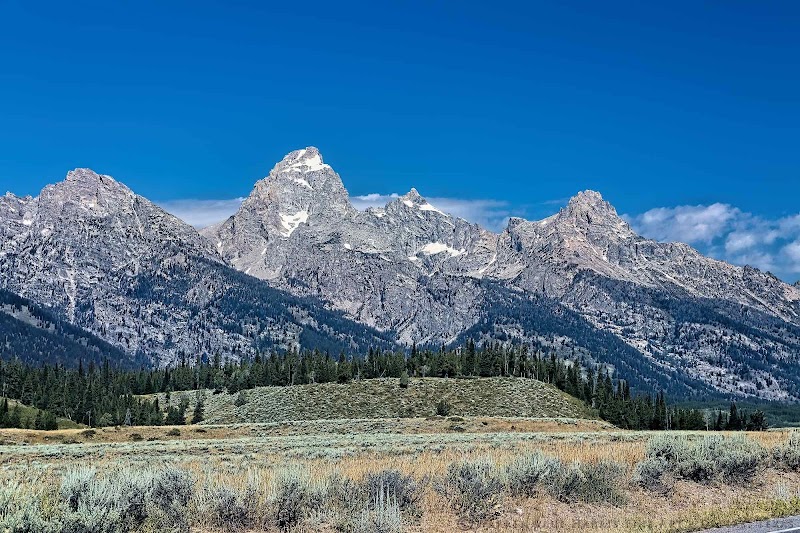
The early morning hours—roughly from 5 a.m. to 8 a.m., depending on the season—offer your best chance to catch moose feeding near wetlands or elk moving through the sagebrush flats. Trails such as Taggart Lake or the Moose-Wilson Road will have the rivers “whispering” a slow current, coaxing animals out while the heat still holds its breath. Hiking here means navigating trails ranging from 3 to 6 miles roundtrip, with moderate elevation gains between 500 and 1,200 feet. Expect forested paths lined with lodgepole pine, broken occasionally by vast views of the Teton Range slicing the horizon.
Midday, the park often falls into a quiet pause. Wildlife becomes scarce, retreating to shadows or higher elevation cool zones. This window is your cue to rest, hydrate, and scout vantage points like Signal Mountain or the Jenny Lake Overlook for panoramic views. The heat can become a challenge here, pushing you to carry at least 2 liters of water on hiking days and wear sun-protective clothing.
As afternoon slips toward evening—between 5 p.m. and 8 p.m.—the park transforms again. Crepuscular creatures like black bears begin their forage, wolves might edge toward valleys, and the air carries the distant echo of elk bugling. Terrain can shift to steeper trails on these adventures, with some scrambling needed if you choose upper Cascade Canyon. Sturdy footwear with reliable traction is a must.
Seasonal shifts temper wildlife schedules. Spring (April–June) sees animals actively emerging from winter dens, often visible near thawing streams but more sensitive to disturbance. Summer (July–August) hosts abundant insect life, which can shape animal movement—expect faster morning and evening activity. Fall (September–October) has the famous rut, providing intense wildlife viewing but demands patience and respect for behavioral changes. Winter (November–March) often reduces observable activity but increases the chance of spotting tracks or distant herds moving purposefully through snow-fed valleys.
Timing your hike to coincide with these wildlife activity windows multiplies your chances of an encounter, while ensuring you move with respect for creatures fiercely themselves. Pack essentials like layered clothing for temperature swings, a reliable map or GPS, and binoculars to enhance your observe-at-a-distance experience. Each step on Jackson Hole’s rugged trails is a negotiation with wilderness that remains powerful and unyielding. Embrace its rhythms and prepare with purposeful timing—here, adventure is a conversation, not a conquest.
Nearby Trips
All Adventures
Boat Charters
Water Activities
Adventures near Jackson
Discover the unique and memorable adventures that make Jackson special.
Frequently Asked Questions
When is the best time of day to see moose in Grand Teton?
Moose are most active during the early morning hours, generally between 5 a.m. and 8 a.m., especially near wetland areas along Taggart Lake and around Willow Flats. They tend to avoid midday heat and become more reclusive.
How can I safely view wildlife without disturbing them?
Maintain a minimum distance of 100 yards from large mammals like bears and elk. Use binoculars or zoom lenses instead of approaching. Stay quiet, avoid sudden movements, and never feed animals to keep interactions safe and natural.
Are there less crowded spots for spotting wildlife in the park?
The Moose-Wilson Road corridor and hidden pockets like the String Lake area offer quieter opportunities, especially early and late in the day. Signal Mountain trails also provide less trafficked overlooks.
What technical skills are required for wildlife hiking in Grand Teton?
No technical climbing skills are necessary for most wildlife-friendly trails, but basic navigation using maps or GPS, along with understanding of wildlife safety protocols, ensures a safer experience.
Does wildlife activity change with the seasons?
Yes, spring and fall are peak movement seasons due to mating and migration patterns, while summer activity shifts to dawn and dusk because of insect pressure and heat. Winter wakes a quieter landscape with tracks rather than live sightings.
What should I do if I encounter a bear on the trail?
Stay calm, don’t run. Speak calmly, back away slowly while keeping eyes on the bear, and carry bear spray accessible. Avoid direct eye contact and give the bear space to leave. Educate yourself before hiking on how to respond appropriately.
Recommended Gear
Water Bottle or Hydration Pack
Keeping well hydrated is crucial during midday heat and active hiking segments.
Sturdy Hiking Boots
Robust footwear stabilizes footing on mixed terrain and protects against sharp rocks or roots.
Binoculars
Enhances your ability to observe wildlife from a safe distance without disturbance.
Layered Clothing
Adjusts easily to temperature swings from cool mornings to warm afternoons.
Local Insights
Hidden Gems
- "Willow Flats near the park’s southern boundary provides a secretive spot for moose and beaver sightings without heavy foot traffic."
- "Cascades Creek offers whisper-quiet forest trails with occasional glimpses of river otters."
Wildlife
- "Besides moose, elk, and bears, consider watching for river otters that dart through Jackson Lake’s inlets during dawn."
- "Coyotes and bald eagles are common but often overlooked residents adding depth to wildlife encounters."
History
"The area around Jackson Hole was historically home to the Shoshone people who hunted and traversed these lands. Later, trappers, settlers, and conservationists shaped the park's preservation ethos evident today."