
A Grand Teton scenic drive invites adventure seekers to engage with a landscape that shifts in light and mood throughout the day. This guide breaks down how to layer clothing and pack essentials smartly, ensuring both comfort and readiness as you explore one of Wyoming's most spectacular mountain roads.
Dress in Layers
Prepare for rapidly changing conditions with moisture-wicking base layers, an insulating mid-layer, and a weatherproof shell.
Pack Hydration and Snacks
Carry water and energy-rich snacks in your daypack to stay fueled and hydrated, especially during spontaneous stops or short hikes.
Wear Supportive Footwear
Choose sturdy hiking shoes with good traction to navigate rocky or uneven terrain beyond the roadside viewpoints safely.
Plan Your Timing
Drive early morning or late afternoon for cooler temperatures, softer light, and optimal wildlife viewing.
Mastering Layering and Packing for a Grand Teton Scenic Drive

Grand Teton Van Tour
Discover the stunning landscapes of Grand Teton National Park on a private guided van tour. Perfect for photography, wildlife viewing, and outdoor adventure, this experience offers personalized access to Wyoming's breathtaking mountain scenery.
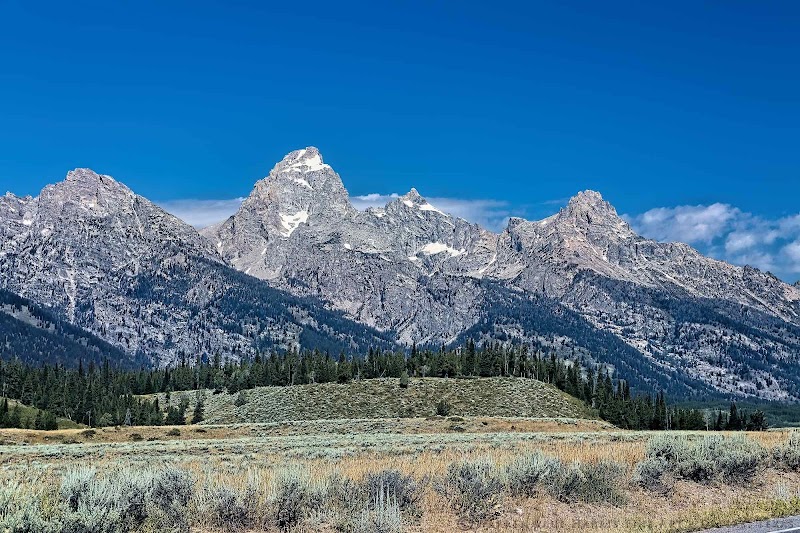
Driving through Grand Teton National Park is an adventure that asks you to meet the mountain’s moods with smart preparation—not just awe. The sharp skyline shifts as you pass, and weather can change faster than you expect, making layering your best tool for comfort. Start with a moisture-wicking base layer; the park’s mornings often greet you with a crisp chill that lingers through early daylight hours. Over that, add an insulating mid-layer like a fleece or lightweight down jacket to trap warmth without bulk. A weatherproof outer shell is essential—a windbreaker or waterproof jacket will tackle gusts pushing down from the peaks or sudden mountain rain.
Packing light but smart is your second line of defense. A daypack with space for extra layers, hydration, snacks, and emergency basics keeps you ready without weighing you down. Bring sturdy footwear with good tread; many overlooks and trailheads invite exploration beyond the car, where uneven rocky paths ask for secure footing. Sunscreen and sunglasses are non-negotiable; the strong Wyoming sun bounces off the snow and granite, daring you to ignore it.
Timing your drive is as much about comfort as about the views. Early morning or late afternoon light cuts shadows across the jagged Tetons, making for dramatic photo moments and cooler temperatures for stops and short walks. Midday can bring heat and harsher light but is ideal for spotting wildlife along the river corridors. Keep water accessible—the mountain air draws moisture from your skin faster than you might feel.
The Grand Teton requires respect in its fierce individuality. Wind gusts rush down the canyons like a pulse, trees lean into the breeze, and clouds gather with sudden intent. Play these forces by layering wisely, packing thoughtfully, and moving with the rhythm of the landscape rather than against it. This balance turns a scenic drive into an immersive encounter, where you meet the environment halfway, ready for whatever it dares to offer.
Nearby Trips
All Adventures
Boat Charters
Water Activities
Adventures near Jackson
Discover the unique and memorable adventures that make Jackson special.
Frequently Asked Questions
What’s the best time of day to do a scenic drive in Grand Teton for comfort?
Early morning and late afternoon offer cooler temperatures and softer light for photography and wildlife spotting. Midday can be warmer but ideal for exploring areas around the river corridors.
Do I need special clothing for sudden weather changes?
Yes. Layering is vital since the weather can pivot suddenly with gusts of wind and quick rain showers. Having a waterproof outer layer and insulating mid-layer ensures you remain comfortable.
Are there spots along the drive recommended for short hikes?
Absolutely. Many pullouts lead to trailheads where short hikes (under 2 miles) reveal forested paths and panoramic views. Wear appropriate footwear for these sections.
Is it necessary to bring water and snacks on the drive?
Yes. Services are limited inside the park, and staying hydrated and fueled is crucial especially if you plan to stop for walks or photo sessions.
What wildlife might I encounter during the drive?
Moose, elk, mule deer, and occasionally bears appear near water sources and meadows, especially during morning and evening hours.
Are there any environmental considerations to keep in mind?
Leave no trace by packing out all trash and avoiding off-trail walking in sensitive habitats. Respect wildlife distances and keep vehicles parked in designated areas only.
Recommended Gear
Moisture-Wicking Base Layers
Keeps skin dry and temperature regulated throughout fluctuating conditions.
Lightweight Insulating Jacket
Traps warmth without bulk, essential during chilly mornings and evenings.
Water-Resistant Outer Shell
Protects against wind and unexpected precipitation, maintaining comfort during sudden weather shifts.
Sturdy Hiking Footwear
Provides traction and foot support on rocky, uneven paths when exploring beyond viewpoints.
Local Insights
Hidden Gems
- "Cache Creek Overlook for quiet river views"
- "Death Canyon Shelf for dramatic ridges beyond the drive"
Wildlife
- "Moose feeding in marshy ponds"
- "Peregrine falcons nesting on cliff ledges"
History
"The park holds significance as ancestral lands for the Shoshone people and reflects early 20th-century conservation efforts shaping National Park policy."