Experience the thrill of spotting moose, elk, and birds in Wyoming’s Grand Teton National Park during the quiet hours of the morning. This guide balances immersive adventure with practical tips on routes, gear, and timing to make your wildlife viewing both successful and safe.
Start Before Sunrise
To catch active wildlife, set out 30–45 minutes before sunrise. This timing coincides with the animals’ prime movement and ensures quieter trails.
Layer Up for Temperature Swings
Dress in moisture-wicking base layers and pack a windproof shell. Morning temperatures can plunge below freezing even in summer but warm quickly as the sun rises.
Bring Reliable Footwear
Choose sturdy waterproof hiking boots with good traction; morning dew and uneven ground require solid footing to prevent slips.
Use Binoculars and Maintain Distance
Enhance your wildlife views with binoculars and always respect a minimum distance of 100 yards to avoid disturbing animals.
Mastering Early-Morning Wildlife Viewing in Wyoming’s Grand Teton

Sunrise Wildlife Driving Tour + Hike
Rating: All levels
Join a guided dawn wildlife drive and mountain hike in Grand Teton National Park. Spot animals at sunrise and enjoy a scenic trek that suits all levels, with expert guides and all gear provided.
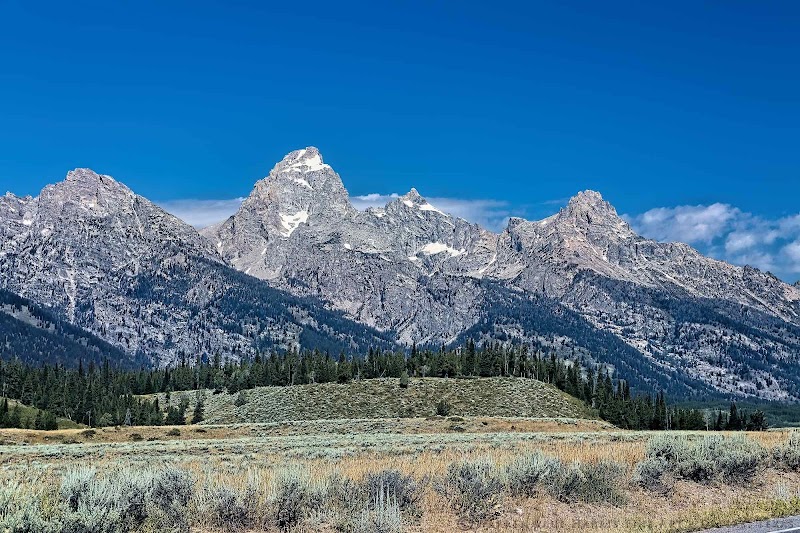
In the quiet hours before dawn, the Grand Teton mountain range wakes with an energy that pulls you forward—rivers dare your pace, and the forests hum with life. Early-morning wildlife viewing here is an adventure that combines the thrill of discovery with the practical challenge of logistics under Wyoming’s vast, open skies. Preparing to step lightly but confidently into this fiercely alive environment means understanding the terrain, timing, and the creatures that claim it.
Start your journey before first light to maximize wildlife encounters; animals like moose and elk move through the valley edges while the forests are still shadowed. Popular routes vary, but a solid choice is the Taggart Lake Trail, a manageable 3.4-mile round trip with roughly 400 feet elevation gain. The path cuts through mixed forests, where trembling aspens and pine trees sway gently, leading you to open views of jagged peaks reflected in serene waters. The ground can be soft and uneven, occasionally slick with morning dew, so sturdy, waterproof footwear is a must.
Hydration is key—the dry mountain air pushes you forward but also steals moisture. Carry at least two liters of water per person, and pack snacks that sustain energy without weighing you down. Dressing in layers allows you to handle temperature swings, from the chilly dawn to warming sun by mid-morning. A headlamp or flashlight will be your companion through the dim, guiding each footfall quietly past sleeping wildlife.
Respect for the creatures you hope to see is paramount; keep your distance and avoid sudden movements or loud noises. Binoculars enhance the experience and let you observe without intrusion. If a river crosses your path, respect its current—wet rocks can be treacherous and it’s better to detour a few steps around than risk a slip.
Timing is everything. Wildlife tends to retreat by 9 or 10 a.m., making the first two hours past sunrise prime viewing. The Grand Tetons themselves seem to hold a breath during this quiet window, allowing the forest and fauna to command your full attention. Along the way, listen for the rustling underbrush or call of a distant bird; these are the soundtrack to an adventure engaged with nature’s pulse rather than racing past it.
While the hike isn’t technically demanding, it invites mental preparation and patience—the natural world here operates on its own terms, neither rushed nor delayed by your presence. Navigating the logistics of early-morning wildlife viewing in Grand Teton is a commitment to engage with that pace. With the right gear, timing, and attitude, you’ll find the experience vivid, immersive, and richly rewarding.
Nearby Trips
All Adventures
Boat Charters
Water Activities
Adventures near Jackson
Discover the unique and memorable adventures that make Jackson special.
Frequently Asked Questions
When is the best time to see wildlife in Grand Teton?
The window between 30 minutes before sunrise and mid-morning (around 9:30–10:00 a.m.) is peak for wildlife activity as animals feed and move before retreating for the day.
Are there guided tours for early-morning wildlife viewing?
Yes, several local outfitters in Jackson offer guided dawn wildlife tours that provide expert knowledge, transportation, and safety support, ideal for first-time visitors.
What wildlife should I expect to see?
Moose, elk, mule deer, bison, and a variety of birds are frequently spotted. Predators like bears and wolves exist but are rarer and often elusive at this hour.
Is the Taggart Lake Trail suitable for beginners?
Yes, it’s a moderate hike accessible to most people with a reasonable fitness level, featuring well-marked paths and steady, manageable climbs.
Are dogs allowed during early-morning wildlife viewing hikes?
Dogs are allowed on some trails within Grand Teton National Park but must be leashed. Be mindful that wildlife activity and other visitors might make this challenging for pets.
How to minimize environmental impact while hiking?
Stay on designated trails, carry out all trash, maintain respectful distances from wildlife, and avoid using flash photography to preserve the natural habitat.
Recommended Gear
Waterproof Hiking Boots
Necessary for traction on dewy or wet surfaces and uneven terrain encountered on early hikes.
Headlamp
Vital for navigating trails safely before sunrise when natural light is minimal.
Layered Clothing
Allows you to adapt to fast-changing morning temperatures and humidity levels.
Binoculars
Helps spot and observe wildlife discreetly without encroaching their space.
Local Insights
Hidden Gems
- "Oxbow Bend—offers a lesser-known vantage point for elk and moose against the water’s edge."
- "Phelps Lake Overlook—quiet, panoramic views attract fewer crowds early in the morning."
Wildlife
- "Beavers are active at dawn, building dams along slower rivers that pull you into their watery domain."
- "Great grey owls silently patrol forest edges, a ghostly presence in the fading night."
History
"The Jackson Hole valley holds deep roots in Native American history, where tribes like the Shoshone used these valleys seasonally before park designation preserved the land."