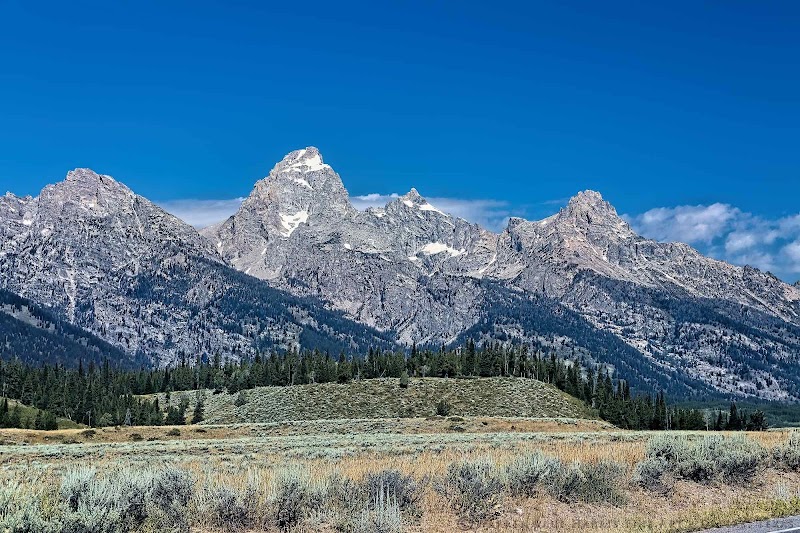
Grand Teton National Park challenges adventurers with rapidly shifting mountain weather and diverse terrain. Smart layering strategies can keep you comfortable and focused during wildlife safaris, helping you engage fully with the park’s vibrant ecosystem.
Start with Breathable Base Layers
Choose moisture-wicking fabrics like merino wool or synthetic fibers to keep sweat off your skin during active trekking.
Bring a Waterproof, Windproof Shell
Weather can shift quickly; a breathable rain jacket or softshell protects against sudden rain and wind on exposed ridge lines.
Wear Sturdy, Waterproof Footwear
Expect uneven terrain and creek crossings; boots with good tread help prevent slips and keep feet dry, essential for long hikes.
Layer Smart for Temperature Changes
Add or remove mid-layers like fleece or down as you ascend or when the sun sets; this prevents overheating or chills.
Layering Strategies for Wildlife Safaris in Grand Teton National Park

Sunrise Wildlife Driving Tour + Hike
Rating: All levels
Join a guided dawn wildlife drive and mountain hike in Grand Teton National Park. Spot animals at sunrise and enjoy a scenic trek that suits all levels, with expert guides and all gear provided.
Grand Teton National Park offers an exhilarating playground for wildlife safaris, where unpredictable mountain weather meets rugged terrain and abundant fauna. To navigate this wilderness effectively, mastering layering is essential—not just a safety measure, but a tool to enhance your comfort and focus during encounters with elk, moose, bears, and eagles.
Start with a moisture-wicking base layer that pulls sweat away from your skin and keeps you dry during long walks along forested trails or open meadows. In spring and fall, mornings and evenings can bite with frost, so a mid-weight insulating layer—like fleece or lightweight down—fights off the chill without encumbering movement. Carry a waterproof, breathable outer shell to combat unexpected Alpine showers or wind gusts, which the Tetons are prone to.
The terrain varies sharply: expect forest floors carpeted with pine needles and wet soil underfoot, rising to rougher rock and alpine tundra at higher elevations. A typical wildlife safari route might cover 6 to 10 miles with elevation gains from 500 to 1,500 feet, demanding manageable but layered protection. Your outerwear needs to breathe when you’re pushing uphill yet shield you when the wind dares to howl through exposed ridges.
Hydration remains a priority—carry at least 2 liters. Sturdy waterproof boots with good traction guard against slippery trails and creek crossings, especially near Jackson Lake or along the Moose-Wilson Road corridor where animals gather. Early morning and late afternoon offer the best light and animal activity; midday sun can be warm but is often paired with sudden storms.
Layering isn’t simply about stacking clothes; it’s a dialogue with the landscape. As clouds gather and the wind shifts, adjust your layers, responding to the forest’s whisper and the river’s steady pull. This dance keeps you agile and alert, maximizing your chances to witness a grizzly pawing the ground or a bald eagle soaring overhead.
In short, practical layering empowers your Grand Teton safari by keeping you comfortable across microclimates and unpredictable weather, allowing your senses to remain sharp and your adventure enriched. Prepare well, respect the fierce nature of the park, and your experience will be as vivid and raw as the wilderness around you.
Nearby Trips
All Adventures
Boat Charters
Water Activities
Adventures near Jackson
Discover the unique and memorable adventures that make Jackson special.
Frequently Asked Questions
Why is layering important for a Grand Teton wildlife safari?
Weather in the Tetons changes rapidly—mornings can be chilly while afternoons warm up. Layering allows you to adjust clothing throughout the day, maintaining comfort and focus on wildlife observation without overheating or getting cold.
What wildlife am I most likely to encounter on these safaris?
Expect elk, moose, bison, black bears, grizzly bears, and various bird species such as bald eagles and ospreys. Dawn and dusk are peak times for animal activity.
How should I prepare for trail conditions?
Trails vary from soft forest floors to rocky alpine paths, sometimes wet or muddy, especially in spring. Waterproof boots with strong grip are vital, alongside trekking poles for stability in tricky spots.
When is the best time of day for wildlife viewing?
Early morning and late afternoon provide cooler temperatures and higher animal activity. Midday heat often drives animals into shaded or hidden areas.
Are there any safety concerns regarding weather or wildlife?
Be prepared for sudden weather shifts—storms, wind, and temperature drops can happen fast. Carry bear spray and make noise when hiking to avoid surprising bears.
Can layering also help with protection against insects?
Yes, a long-sleeved mid-layer can reduce exposure to mosquitoes and biting flies common near water during warmer months.
Recommended Gear
Moisture-Wicking Base Layer Shirt
Keeps skin dry and prevents chafing during active hiking.
Lightweight Insulating Mid-Layer (Fleece or Down)
Provides warmth without bulk, easy to add or remove as temperatures shift.
Waterproof Windbreaker or Rain Jacket
Protects from mountain rain and wind, critical during sudden weather changes.
Durable, Waterproof Hiking Boots
Ensure stable footing on uneven, often wet ground; essential for comfort and injury prevention.
Local Insights
Hidden Gems
- "Oxbow Bend for panoramic views and early morning wildlife sightings"
- "Leigh Lake trail offers quieter spaces with chances to spot moose and beavers"
Wildlife
- "Black bears frequent forest edges, particularly near berry patches"
- "Bald eagles often soar above the Snake River, scanning for fish"
History
"The park area was historically significant for Indigenous peoples including the Shoshone; many trails follow old hunting routes. Grand Teton became a national park in 1929, preserving crucial habitats for western wildlife."