
Staying Safe While Sampling Water on Cayuga Lake: Practical Tips for an Adventurous Science Expedition
Sampling water from Cayuga Lake invites a hands-on adventure with nature’s shifting forces. Learn how to prepare safely for this active engagement with the lake’s dynamic shores, balancing excitement with practical advice for every step of the journey.
Wear Appropriate Footwear
Sturdy, waterproof boots prevent slips on wet stones and muddy lakebeds that frequently challenge footing along sampling points.
Keep Hydrated and Energized
Bring sufficient water and light snacks; the lake’s cooling breeze can mask dehydration during physical exertion.
Check Weather Before You Go
Avoid sampling during wind gusts or storms which stir hazardous waves and debris, complicating water collection and movement.
Bring Communication Devices
Maintain contact with a partner or shore base using a phone or radio to ensure quick assistance if conditions change suddenly.
Staying Safe While Sampling Water on Cayuga Lake: Practical Tips for an Adventurous Science Expedition

Osprey Eco-Cruise
Dive into the human and natural history of Cayuga Lake! FAMILY FRIENDLY with activities for all.
Join Discover Cayuga Lake for an engaging cruise across Cayuga Lake, where wildlife sightings and hands-on science make for a memorable outdoor adventure. Perfect for families and nature lovers alike, this experience showcases the ecological richness of Ithaca’s waterways.
Cayuga Lake’s surface shimmers with an ever-shifting energy, the gentle breeze urging ripples to dance and currents to push forward, daring you to engage with its dynamic flow. Venturing out to collect water samples here is no routine task—it’s an adventure that challenges both your respect for nature’s moods and your preparedness in the field. Whether wading along the shore or venturing out in a small boat, safety is your first priority amid the lake’s fierce personality.
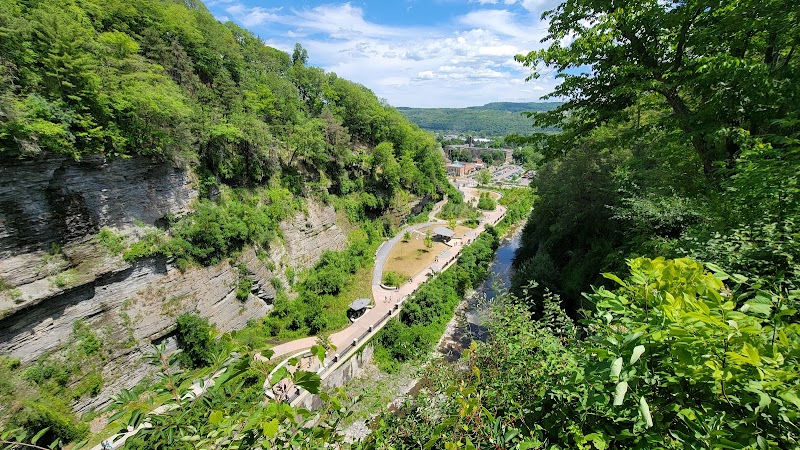
The shoreline stretches with varied terrain: gravelly beaches smoothed by cycles of wind and wave, steep inclines hidden under dense patches of sedge and cattail, and unpredictable undercurrents that can surprise you if you’re not vigilant. Sampling sites often require navigating shallow, uneven lakebeds where footing shifts beneath every step. Expect a trek of 1 to 3 miles round-trip, with elevation gains mainly found in accessing bluffside points offering unobstructed water views. Forested segments bordering the lake filter sunlight, lending pockets of cool calm to catch your breath.
Practical preparation begins with proper footwear. Waterproof boots with rugged soles guard against slippery rocks and soft mud, keeping you steady as the ground tests your balance. Lightweight, quick-dry clothing protects against the sharp sun and allows for easy movement during long sampling sessions. Hydration is non-negotiable—the lake’s presence cools the air, but your body demands regular water intake, especially when temperatures rise above 75°F.
Timing your water sampling early in the day helps you sidestep afternoon wind gusts that stir the lake into rougher moods. Watch the weather: sudden showers can send slick algae and debris swirling, making handling gear dangerous. Be mindful of wildlife interactions too—cormorants often congregate on rocky outcrops nearby, while snapping turtles patrol the shallows, asserting their domain beneath your feet.
Carry a waterproof bag for your sampling tools and a communication device for emergency contact. Test your equipment before heading out; a failed sample spoils effort and can leave you vulnerable if you need to rush back. Always inform someone onshore of your route and expected return time and consider venturing with a partner. Even the most familiar locales demand respect and caution.
As you take your samples, observe the lake’s dialogue—the way waves lap insistently, the way the wind slips through the cattails. You become part of that conversation, a deliberate participant moving carefully in sync with water and terrain. This expedition is not just about data; it is an engagement with a force fiercely itself, where safety and preparation open the door for meaningful discovery.
Approach the lake on its terms. Equip yourself fully, track conditions attentively, and navigate the terrain methodically. In return, Cayuga Lake offers more than a scientific task—it offers a challenge that sharpens awareness, grounds your spirit in nature's intensity, and rewards careful adventure with pristine insights.
Nearby Trips
All Adventures
Boat Charters
Water Activities
Adventures near Ithaca
Discover the unique and memorable adventures that make Ithaca special.
Frequently Asked Questions
What are the biggest safety risks when sampling water on Cayuga Lake?
Slippery and uneven lakebeds, sudden gusts of wind stirring waves, and cold water temperatures are primary hazards. Being aware of weather shifts and wearing appropriate footwear greatly reduce risks.
Can I sample from any part of the lake’s shoreline?
Not all shoreline areas are equally accessible or safe. Areas near steep bluffs, private property, or dense wetlands require caution or permission. Identify established access points to ensure safer sampling.
Are there times of year when water sampling is not recommended?
Winter presents challenges such as ice cover and dangerously cold water. Also, avoid sampling during heavy rain or storm events which reduce water clarity and increase hazards.
What wildlife should I be mindful of around Cayuga Lake during sampling?
Look out for snapping turtles in shallow areas and flocks of nesting waterbirds like cormorants nearby. While generally non-threatening, approach wildlife respectfully to avoid disturbance.
How can I minimize environmental impact during sampling?
Use sterile equipment to prevent contamination, avoid trampling vegetation along the shore, and pack out all waste. Follow leave-no-trace principles to keep the lake’s ecosystem vibrant.
Are there local regulations governing water sampling on Cayuga Lake?
Yes, the New York State Department of Environmental Conservation oversees Cayuga Lake, requiring permits for extensive data collection. Always check with local authorities prior to sampling.
Recommended Gear
Waterproof Boots
Protect your feet from cold, wet, and slippery surfaces while maintaining solid traction.
Weatherproof Jacket
Shield yourself from wind, rain, and spray to stay comfortable and maintain focus on sampling.
Water Sampling Kit
Includes sterile bottles, collection nets, and thermometers crucial for consistent, reliable data gathering.
Portable Communication Device
Phone or two-way radio ensures emergency contact capability when lakeside signal varies.
Local Insights
Hidden Gems
- "Texas Spring Overlook for panoramic lake views."
- "Whipple Dam State Park’s less crowded access points."
- "Small coves on the east shore shielded from prevailing winds."
Wildlife
- "Great blue herons hunting along the shoreline."
- "Bald eagles occasionally spotted near the mouth of Fall Creek."
- "Rusty blackbirds common in nearby wetlands during migration."
History
"Cayuga Lake has long served the Cayuga Nation and early European settlers alike, its waters fueling industry and agriculture. Sites around the lake reflect Native American heritage and 19th-century canal town development."