
Maximizing Bird-Watching from Cayuga Lake's Osprey Habitat
Witness the thrilling osprey activity along Cayuga Lake’s shores, where careful timing and smart preparation turn bird-watching into an immersive adventure. Discover practical tips and trail info to enhance your connection with this fierce and fascinating habitat.
Choose Early Morning or Late Afternoon
Ospreys are most active during these cooler parts of the day, increasing your chances to see feeding and nest activity without overheating.
Wear Sturdy Footwear
The trail combines smooth and uneven surfaces with moderate elevation gain; trail runners or hiking boots with grip will provide comfort and safety.
Bring Mid-Range Binoculars
Avoid excessively powerful zooms to maintain a wide field of view for spotting quick wildlife movements across the lake and trees.
Stay on Designated Paths
Respect the ospreys’ space by minimizing disturbance and protecting the fragile nesting areas along the shoreline.
Maximizing Bird-Watching from Cayuga Lake's Osprey Habitat

Osprey Eco-Cruise
Dive into the human and natural history of Cayuga Lake! FAMILY FRIENDLY with activities for all.
Join Discover Cayuga Lake for an engaging cruise across Cayuga Lake, where wildlife sightings and hands-on science make for a memorable outdoor adventure. Perfect for families and nature lovers alike, this experience showcases the ecological richness of Ithaca’s waterways.
Cayuga Lake’s shoreline offers one of the region’s best opportunities to witness ospreys at work, their nest platforms perched stoically against the sky. The osprey habitat here isn’t simply a place to observe; it’s an active theater of avian life, where these fierce fish-hunters claim their space. To fully engage with this experience, timing and preparation can elevate your visit from casual spotting to a meaningful encounter.
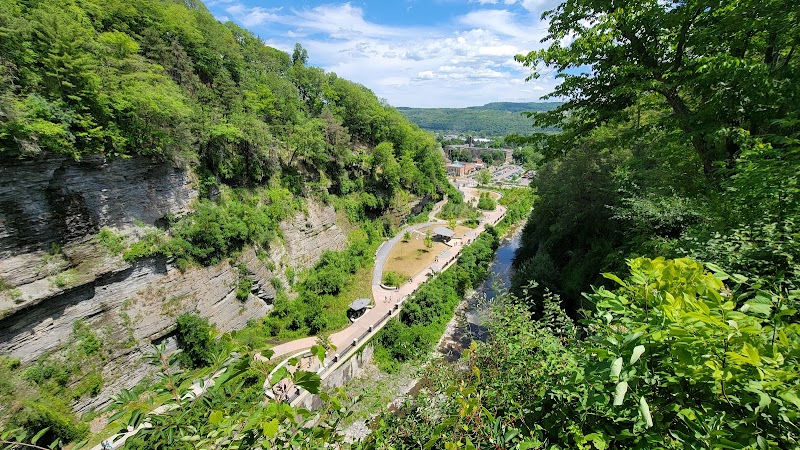
Start your bird-watching journey on the Osprey Trail, a roughly 3.5-mile loop with an elevation gain of about 400 feet. The terrain moves between open lake views and patches of deciduous woodland where the trees themselves seem to lean towards the water, as though drawn to the osprey’s call. Well-maintained but occasionally uneven, the path requires sturdy footwear—trail runners or hiking boots with good grip are ideal. The forest canopy invites dappled light that dances across the trail, while the lake breeze offers a steady companion pushing against your forward steps.
Peak osprey activity aligns closely with nesting season from late April through mid-July. Early morning or late afternoon hikes maximize your chances to see adults fishing and feeding young. Carry binoculars with a mid-range zoom—too strong can hinder quick scanning, too weak may blur the action. If you plan for summer, hydration is crucial; the sun doesn’t hold back even when filters through the leaves. Water bottles with easy refilling or hydration packs keep you fueled for hours.
Apart from ospreys, the habitat supports a chorus of warblers, kingfishers, and herons. Keep your camera ready but feet grounded; sudden spotting requires a stillness that respects these birds’ fierce independence. Trailside benches provide quiet rest stops that double as observation points with less disturbance.
Plan for minimal human interference: avoid loud conversations, stick to designated paths, and keep your distance from nests. The osprey is a skilled protector of its space. This is not a place to rush or crowd but to observe with patience and clear eyes. Your reward: a vivid, insightful glimpse into a world fiercely itself, framed by the shimmering lake and whispered in the calls across the wind.
To sum up, maximizing your bird-watching in the Cayuga Lake osprey habitat demands more than just arrival. It asks you to prepare methodically—right timing, proper gear, and respect for the environment—turning the experience into an outdoor adventure that educates as much as it excites.
Nearby Trips
All Adventures
Boat Charters
Water Activities
Adventures near Ithaca
Discover the unique and memorable adventures that make Ithaca special.
Frequently Asked Questions
When is the best time to see baby ospreys at Cayuga Lake?
Late May through mid-July is prime for observing osprey chicks in or near their nests as adults bring food and teach fledgling skills.
Are there other wildlife species to watch near the osprey habitat?
Yes, the area hosts kingfishers, great blue herons, various warblers, and occasional bald eagles, making it a diverse spot for bird enthusiasts.
Is the Osprey Trail suitable for children or casual walkers?
The trail’s moderate difficulty makes it accessible for older children and casual hikers with reasonable fitness, but expect some uneven surfaces that require attention.
What conservation efforts protect the osprey habitat at Cayuga Lake?
Local environmental groups monitor nest platforms and restrict access near nesting sites during breeding season to minimize disturbance and encourage osprey reproduction.
Where can I find lesser-known viewpoints along the trail?
A small clearing about two miles in offers a quieter vantage over the lake with less foot traffic. The eastern ridge also provides sweeping views if you take a connector trail slightly off the main loop.
Can I photograph ospreys during my hike?
Absolutely. Early morning and late afternoon light produce the best conditions. Use a mid-range zoom lens and find quiet perches near the lakeside benches for the clearest shots.
Recommended Gear
Sturdy Hiking Boots
Protect your feet on uneven and sometimes slippery terrain along the lakeside trails.
Mid-Range Binoculars
Essential for spotting ospreys and other birds without overwhelming magnification.
Hydration Pack or Water Bottle
Keeps you hydrated during warm weather hikes when sun exposure is more intense.
Insect Repellent
Helpful for warding off bugs that increase in presence around water and forested areas.
Local Insights
Hidden Gems
- "The eastern ridge connector trail offers peaceful panoramic lake views away from the main trail crowds."
- "Small wetlands near the trail attract diverse migratory warblers in spring and fall."
Wildlife
- "Osprey (Pandion haliaetus) - apex fish hunters of the habitat"
- "Bald Eagles - occasional visitors during winter"
- "Great Blue Herons and Belted Kingfishers frequent the waters"
- "Warblers and woodpeckers inhabit the forested sections"
History
"This area has long served as a traditional fishing spot for indigenous communities, with osprey nests marking the health of Cayuga Lake’s ecosystem for decades."