Timing Your Florida Keys Boat Trip For Prime Wildlife Viewing In Islamorada
Islamorada’s coastal waters offer unparalleled wildlife encounters for boaters who know when to go. Timing your trip to match feeding cycles, tides, and seasonal shifts unlocks moments with dolphins, tarpon, and vibrant birds, transforming a simple outing into an engaging nature expedition.
Start Early for Active Wildlife
Morning hours offer the best chance to spot feeding birds, dolphins, and tarpon as they move actively through shallow waters just after sunrise.
Wear Polarized Sunglasses
Polarized lenses reduce water surface glare, improving underwater visibility to spot fish and other marine animals beneath the waves.
Bring Plenty of Hydration
Florida’s sun and humidity can dehydrate even experienced adventurers quickly—carry sufficient water to stay hydrated throughout your trip.
Plan Around Tide Schedules
Wildlife activity intensifies near rising or falling tides; check local tide charts to time your boat trip for peak animal interactions.
Timing Your Florida Keys Boat Trip For Prime Wildlife Viewing In Islamorada

Event Boat
Discover the beauty of the Florida Keys with a private boat tour in Islamorada. Perfect for personalized adventures, this experience combines scenic views, wildlife encounters, and exclusive access to secluded spots on the water.
Charting a course through the azure waters off Islamorada transforms any boat trip into a frontline seat for Florida Keys wildlife. This section of the Keys, known for its complex marine ecosystems and coastal mangroves, offers an active stage where nature performs on its own clock. Knowing when to set sail here turns a pleasant outing into a vivid wildlife expedition.
Early morning hours, right as sunlight filters through the salty haze, are arguably the peak time for sightings. Wildlife stirs from the slumber of night—wading birds like herons and egrets slip quietly across shallow flats, while dolphins glide with purposeful elegance just beyond the reefs. The water appears to wake with them, the surface breaking into scattered ripples as tarpon leap and schools of baitfish pulse like living smoke beneath the skiff.
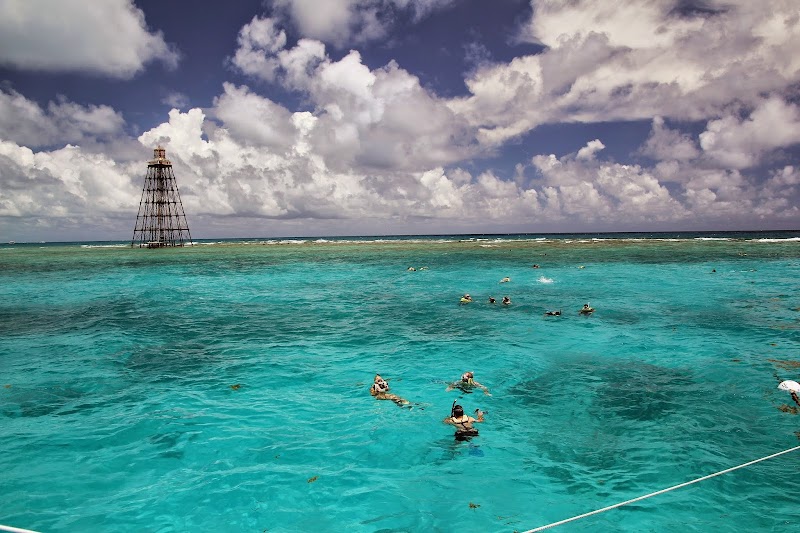
Midday calls for a different rhythm. The sun's climb brightens coral heads, making snorkeling stops exceptionally rewarding. Yet, animal activity can quiet; many species retreat, conserving energy in shaded mangrove roots or beneath ledges. This lull is a chance to focus on vibrant reef fish and perhaps spot a nurse shark snoozing, motionless, in the sand.
Afternoons edge toward a crescendo. The warming air stirs a feeding frenzy among predatory birds and fish, often visible near shorelines where the tide pushes nutrients and small creatures into tighter spaces. Mangrove forests appear alive, with kingfishers and ospreys darting through the branches like lightning bolts. Timing your trip close to the rising or falling tide enhances these sightings and sharpens the encounter’s edge.
Seasonality also defines the experience. Winter months bring migratory birds like the black-bellied plover, while summer’s warmer waters invite juvenile tarpon and the signature spawning events of reef fish. These shifts demand adapting your boat trip itinerary—both in route and timing—to stay ahead of nature's pulse.
For those planning a wildlife-centered boat trip in Islamorada, preparation is key. Bring polarized sunglasses to cut sun glare and reveal underwater movement. Pack light but include sun protection and plenty of water—dehydration can sneak up fast under a relentless sun. A boat equipped with a quiet motor ensures less disturbance to wildlife, increasing your chances for natural behaviors.
Above all, approach this environment with respect. Wildlife here is fiercely itself, independent and wary. Your timing and tactics directly affect what will reveal itself and what will slip away. This is less about conquering nature and more about becoming part of its unfolding story, moment by fleeting moment.
Planning your day around these rhythms—early mornings for activity, midday for underwater color, late afternoons for dynamic feeding—creates an itinerary rich in encounters. It turns your boat trip from transport into exploration, embedding you in a landscape that is constantly reshaping itself around the wildlife that calls it home.
Nearby Trips
All Adventures
Boat Charters
Water Activities
Adventures near Islamorada
Discover the unique and memorable adventures that make Islamorada special.
Frequently Asked Questions
When is the best time of day for wildlife viewing in Islamorada?
Early morning at sunrise offers peak activity for many species including wading birds and dolphins. Late afternoon near tidal changes also presents a feeding surge among various fish and bird species.
Are there specific tides that improve wildlife sightings?
Yes, the rising and falling tides concentrate marine life into smaller areas, making animals easier to spot, especially near mangroves and shallow flats.
What types of wildlife are commonly seen on boat trips here?
Expect to see dolphins, tarpon, nurse sharks, herons, egrets, kingfishers, and occasionally sea turtles and manatees in protected areas.
Is snorkeling recommended during these trips?
Snorkeling at midday can highlight coral reefs and reef fish when visibility is clear and wildlife rests. Be mindful of currents and marine conservation rules.
Are there quieter, less trafficked areas in Islamorada for a boat trip?
Yes, exploring quieter bayous and mangrove channels to the north and south of main waterways reveals hidden wildlife pockets away from common tourist routes.
How does seasonality affect boat trip planning in Islamorada?
Seasons affect species presence and behavior—winter attracts migratory birds while summer features more marine spawn and juvenile fish. Weather conditions and storm risks also vary.
Recommended Gear
Polarized Sunglasses
Crucial for reducing glare and enhancing underwater visibility in bright sun conditions.
Water Bottle
Staying hydrated is critical with prolonged sun exposure on open water.
Lightweight Sun Protection Clothing
Protects skin from UV rays while keeping you cool during longer exposure hours.
Binoculars
Helpful for spotting distant birds and marine animals without disturbing their environment.
Local Insights
Hidden Gems
- "Park Key mangrove channels for birdwatching away from tourist traffic"
- "Alligator Reef Lighthouse area – a less crowded spot with reef fish and corals"
Wildlife
- "Juvenile tarpon schooling near shore"
- "Mangrove snapper hiding among mangrove roots"
- "Florida Reef spiny lobster during spawning season"
History
"Islamorada has a rich heritage tied to early fishing and wrecking industries, plus a legacy connected to the Overseas Railroad which shaped the Florida Keys’ development."