
Mastering Timing for Ideal Florida Keys Sandbar Eco Tours
Florida Keys sandbars offer dynamic and accessible eco tours where timing is everything. Learn how to plan your visit around tides and sun to experience shallow waters filled with vibrant marine life and sweeping views before the next tide returns.
Check Tide Charts Before Departure
Sandbars appear and disappear with tidal movement; visiting at mid to low tide reveals the most walkable area and marine life activity.
Wear Protective Footwear
Closed-toe water shoes or sturdy sandals protect feet from sharp shells and coral while providing grip on slippery surfaces.
Start Early to Avoid Heat
Morning tours bring cooler temperatures and better lighting, reducing sun exposure risks and enhancing wildlife sightings.
Bring Sufficient Water
Hydrate frequently; the Keys’ heat and sun quickly deplete energy levels even with the cooling sea breeze.
Mastering Timing for Ideal Florida Keys Sandbar Eco Tours

1/2 Day Sandbar Tour
Half Day (3.5 Hours) Sandbar Eco Tour • Up to 6 People
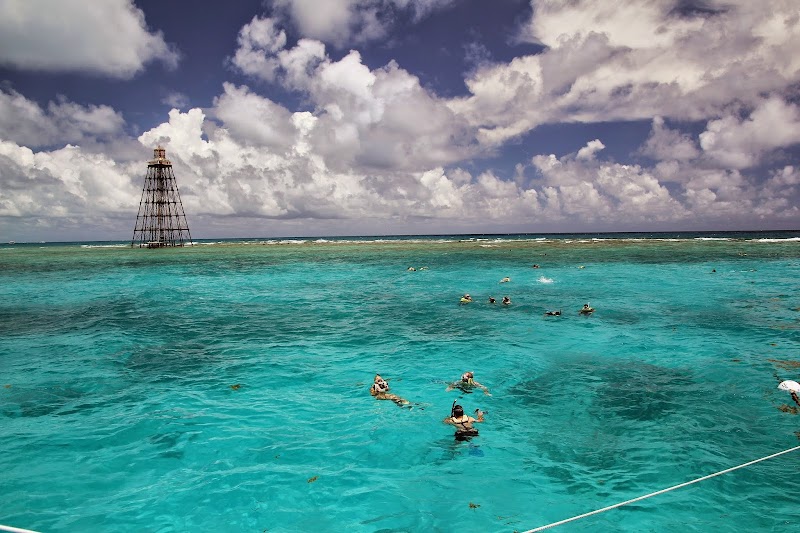
Discover the lively sands and vibrant waters of the Florida Keys on a half-day trip with Salty Nutz Charterz. Walk, swim, and relax on a pristine sandbar just offshore—an authentic Keys adventure awaits.
The Florida Keys sandbars are wild, shifting playgrounds shaped by tides and sunlight—each moment revealing a different aspect of their fierce, fragile beauty. Timing your eco tour right is more than convenience; it’s the key to experiencing these shallow isles at their fullest, from calm water reflections to bustling marine life activity.
Most sandbar tours cover roughly 3-5 miles round trip, with flat terrain consisting mainly of sand and shallow seagrass beds underfoot. The elevation gain is negligible, but the environment is anything but passive—currents push and pull the shallow waters, inviting you to read their rhythm. Sandbars emerge and submerge with the tide’s rise and fall, so understanding tidal schedules is critical.
Optimal visit windows fall around mid to low tide: during these times, the sandbars appear expansive and walkable, revealing vast stretches of coral rubble and seagrass. Walking here, you feel the warm sun friendly yet commanding overhead, while the gentle sea breeze moves salt and water with intent, entertaining rather than hindering your pace.
Start early, no later than two hours after sunrise, to catch the soft morning light and cooler temperatures before the sun asserts itself fully. The sun, relentless by mid-morning, demands practical prep: SPF, a wide-brimmed hat, and lightweight, quick-drying clothes. Hydration is essential—carry at least one liter of water per person. Footwear should shield toes from sharp shells and coral fragments; closed-toe water shoes or sturdy sandals with grips work best.
Afternoon tours can be rewarding with flatter tides, but be mindful of weather patterns; sudden storms are a Keys reality, and currents can grow unpredictable. Always check local tide charts and weather forecasts before setting out. Knowledge fuels respect—read the water, and respect the sandbar’s cycles as an entity fiercely itself.
This eco tour offers more than the walk. Wildlife eagerly listens in the shallow waters: rays glide with purpose, fish dart near your feet daring you to keep pace. Remote mangrove edges guard secrets—spotting birds skimming the surface or spotting a crab’s quick scuttle adds layers to the journey.
Your sandbar excursion starts and ends at launch points typically near Islamorada or Marathon — towns that provide ideal accommodations and local insight. With simple planning, you’ll catch the Keys sandbars not just at their accessible best but at their most alive.
Prepare, respect, and engage—the sandbar waits, alive and ready to share its ever-changing story.
Nearby Trips
All Adventures
Boat Charters
Water Activities
Adventures near Islamorada
Discover the unique and memorable adventures that make Islamorada special.
Frequently Asked Questions
When is the absolute best time to visit the sandbars?
Aim for an outing that begins roughly one to two hours after low tide for maximum sandbar exposure. This timing balances water levels and safe footing while allowing you to explore before rising tides re-submerge the area.
Are the sandbars safe for children and casual hikers?
Yes, though caution is needed around exposed coral and marine life. Footwear is important for everyone's safety, and keeping to dry sand patches reduces risk of slips or stings.
What wildlife might I encounter on the sandbar tour?
Look for southern stingrays gliding just beneath the surface, schools of grunts and snapper darting in tidal pools, and seabirds like terns and herons hunting along the edges.
Is it necessary to book a guided tour, or can it be done independently?
While independent exploration is possible, guided tours offer expert knowledge on tides, wildlife identification, and safe routes—especially valuable for first-timers unfamiliar with the currents.
What should I do if weather changes suddenly during the tour?
Always check the forecast in advance. If storms approach, head back immediately to shore as conditions can turn hazardous quickly due to wind-driven waves and lightning risk.
Are there any environmental concerns while visiting sandbars?
Yes, sandbars are delicate ecosystems. Avoid stepping on seagrass beds where possible, do not collect marine life, and pack out all trash to leave the area undisturbed for future visitors and native species.
Recommended Gear
Water Shoes
Protect feet from sharp coral and shells; provide traction in wet and slippery sand and seagrass.
Sun Protection (Hat, Sunscreen)
Critical for shielding skin and eyes from strong tropical sun during midday hours.
Reusable Water Bottle
Staying hydrated maintains energy through potentially strenuous heat and sun exposure.
Lightweight Dry Bag
Keeps electronics and valuables dry during wading or unexpected splash zones.
Local Insights
Hidden Gems
- "A rarely visited small mangrove enclave just off the main sandbar where shorebirds roost undisturbed."
- "A coral cluster visible only at the lowest tides that teems with colorful reef fish."
Wildlife
- "Southern stingrays that favor the sandy shallows, gliding silently beneath your feet."
- "Mangrove snapper and juvenile parrotfish patrolling the coral rubble edges."
- "Cormorants drying wings on exposed branches as they rest between foraging dives."
History
"The Keys once served as fishing grounds for indigenous Calusa people, who revered the sea’s natural cycles that revealed and concealed the sandbars with tide and time."