
Mastering Timing for Peak Sandbar and Wildlife Experiences Near Islamorada
Islamorada’s sandbars emerge in a dance with the tides, offering adventurers rare access to vibrant wildlife and expansive shallow flats. Learn when and how to time your visit for the best encounters with nature’s ever-changing spectacle just offshore.
Monitor Tides Closely
Check tide charts and aim to arrive 1-2 hours before low tide to safely access the sandbars while they’re most exposed.
Wear Protective Footwear
Choose quick-drying water shoes or sturdy sandals to protect against coral rubble and shells on the sandbars.
Carry Sun Protection
Bring a wide-brimmed hat, polarized sunglasses, and sunscreen to manage the intense sun reflection off the water.
Respect Wildlife Distances
Keep a safe and respectful distance from birds, rays, and marine mammals to avoid disrupting their natural behavior.
Mastering Timing for Peak Sandbar and Wildlife Experiences Near Islamorada

Two Hour Public Tour
Up to 6 People • All Ages
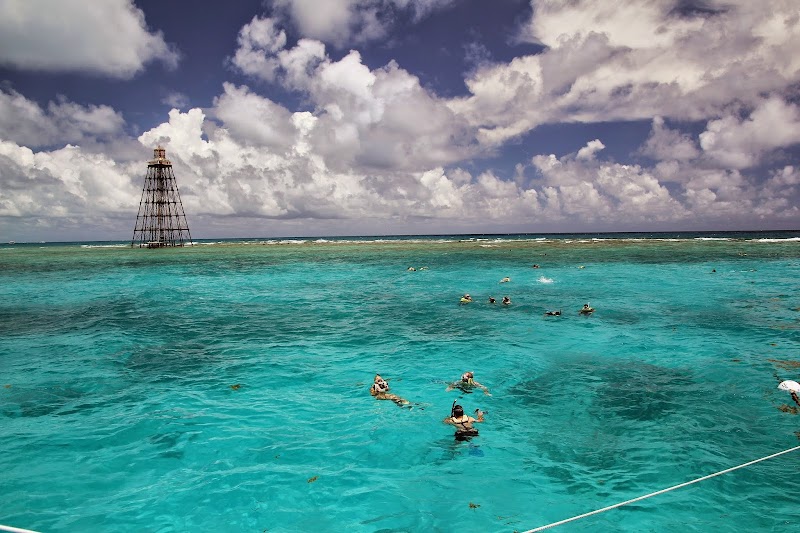
Discover the vibrant marine life and scenic sandbars of Islamorada with Reef Quest Eco Boat Tours’ engaging 2-hour tour. Whether snorkeling or relaxing on the water, this trip offers a quick but immersive Florida Keys adventure.
The shifting tides along Islamorada’s coast offer more than just stunning seascapes—they unlock fleeting sandbars that emerge like hidden islands daring you to explore. These natural platforms, exposed only at certain tidal windows, become hotspots for wildlife encounters and boaters eager to stretch their legs on the turquoise canvas. To catch these moments, understanding the rhythm of the tides and seasonal wildlife patterns is key.
Sandbars near Islamorada reveal themselves most prominently during the lowest tides, usually within two hours before and after the daily low tide. This timing maximizes the exposed area and lets you venture deeper onto the flats. Early mornings or late afternoons are ideal, not only for the soft light but also for calmer waters pushed gently by the ocean’s subtle breath. Be ready to monitor tide charts closely; a misjudged arrival risks wading through strong currents or missing the sandbar window entirely.
Wildlife here is fiercely itself—wading birds patiently fishing, rays gliding just beneath the surface, and schools of snappers swirling like living shadows. Mangroves that edge the flats hold watchful herons and ospreys, while occasional manatees drift nearby, their slow presence an invitation to pause and observe. Spring through fall boosts bird activity, especially during migration peaks, when falcons, egrets, and pelicans make their rounds. Winter months bring quieter waters, clearer skies, and a better chance to spot bottlenose dolphins patrolling offshore.
Practical preparation matters. The sandbar terrain shifts from fine sand to coral rubble; water shoes or sturdy, quick-drying sandals protect feet from sharp edges without sacrificing grip. Bring polarized sunglasses to reduce glare and spot underwater life more clearly. Hydration is crucial—inetty afternoons with direct sun and reflective water surface demand more frequent water breaks, and a broad-brimmed hat becomes your best ally against sun fatigue.
Safety hinges on respect for Nature’s schedule. Tides dictate access and egress, currents push and pull around exposed bars, and storms rapidly reshape the landscape. Check local forecasts, avoid the sandbar at high tide, and always share your plans with someone onshore. For wildlife watchers, maintain a considerate distance—these animals engage in daily survival, not performance.
Sandbars near Islamorada invite you to momentarily step into a transforming environment, where water and land converse with one another. The experience is a balance: a measured embrace of the unpredictable, guided by seasonal clues and tidal patterns. It’s adventure choreographed by natural forces, accessible to those who prepare and participate with care.
Nearby Trips
All Adventures
Boat Charters
Water Activities
Adventures near Islamorada
Discover the unique and memorable adventures that make Islamorada special.
Frequently Asked Questions
When is the best time of day to visit the sandbars near Islamorada?
Plan to arrive 1-2 hours before low tide, which typically occurs in the early morning or late afternoon. These windows maximize sandbar exposure and reduce risks from incoming tides.
What type of wildlife can I expect to see on and around Islamorada’s sandbars?
Wading birds such as herons and egrets are common, along with stingrays gliding through shallow waters, schools of snapper darting beneath your feet, and occasionally manatees and dolphins offshore.
Are the sandbars safe for hiking or walking barefoot?
Walking barefoot is not recommended. The terrain varies from soft sand to coral rubble and shells, which can cause cuts. Water shoes or sturdy sandals provide much-needed protection.
How does wildlife behavior change with the tides?
Many species feed and rest around the sandbars during low tide when prey is concentrated in the shallow flats. High tide often pushes them out to deeper waters, making wildlife encounters less frequent.
What environmental precautions should visitors take?
Avoid disturbing vegetation and wildlife, keep a respectful distance from animals, and refrain from collecting shells or corals. The sandbars are delicate ecosystems shaped daily by tides and weather.
Are there lesser-known viewpoints or features near the sandbars?
Yes, the nearby mangrove islands offer peaceful vantage points for observing birds and marine life. Some shallow channels provide quiet access away from popular spots, ideal for more private exploration.
Recommended Gear
Water Shoes
Protect your feet from coral shards and slippery surfaces while wading on sandbars and in shallow waters.
Polarized Sunglasses
Reduce surface glare to spot marine life and navigate safely around shallow flats.
Wide-Brimmed Hat
Shield your face and neck from the strong tropical sun reflecting off the water.
Lightweight Hydration Pack
Keeps you hydrated throughout the outing, particularly in warm weather and under direct sun exposure.
Local Insights
Hidden Gems
- "Mangrove tunnels just inland offer sheltered kayak routes with frequent glimpses of nesting birds."
- "A small offshore reef lies near the sandbars, rich in colorful tropical fish and occasional sea turtles."
Wildlife
- "Look for the elusive spotted eagle ray beneath the water’s surface during summer months."
- "Roseate spoonbills paint the skies with pink during migration season—an uncommon sight that rewards keen observers."
History
"The Florida Keys, including Islamorada, have a rich history of maritime navigation, fishing traditions, and indigenous peoples who relied on these waters for sustenance. The sandbars themselves have been natural markers for boaters and fishermen for generations."