Maximizing Comfort on Vieques Island Sea Tours: Boat Design and Supplies for Smooth Sailing
Experience Vieques Island’s sea tours with a focus on comfort and practicality. Learn how boat design and smart packing empower you to enjoy the Caribbean waters fully—whether chasing dolphins or drifting beside bioluminescent bays.
Choose a Stable Catamaran for Smooth Sailing
Catamarans offer a wider deck and greater stability, ideal for travelers sensitive to motion or those running tours with families.
Pack Light but Smart with Hydration Supplies
Bring at least 1 liter of water per person and keep it cool to prevent dehydration under the tropical sun.
Wear Quick-Dry, UV-Protective Clothing
Light fabrics protect you from sun and spray, drying quickly to maintain comfort even after waves splash.
Bring Waterproof Storage for Electronics
Use dry bags or waterproof cases to protect phones, cameras, and snacks from salt spray and accidental splashes.
Maximizing Comfort on Vieques Island Sea Tours: Boat Design and Supplies for Smooth Sailing
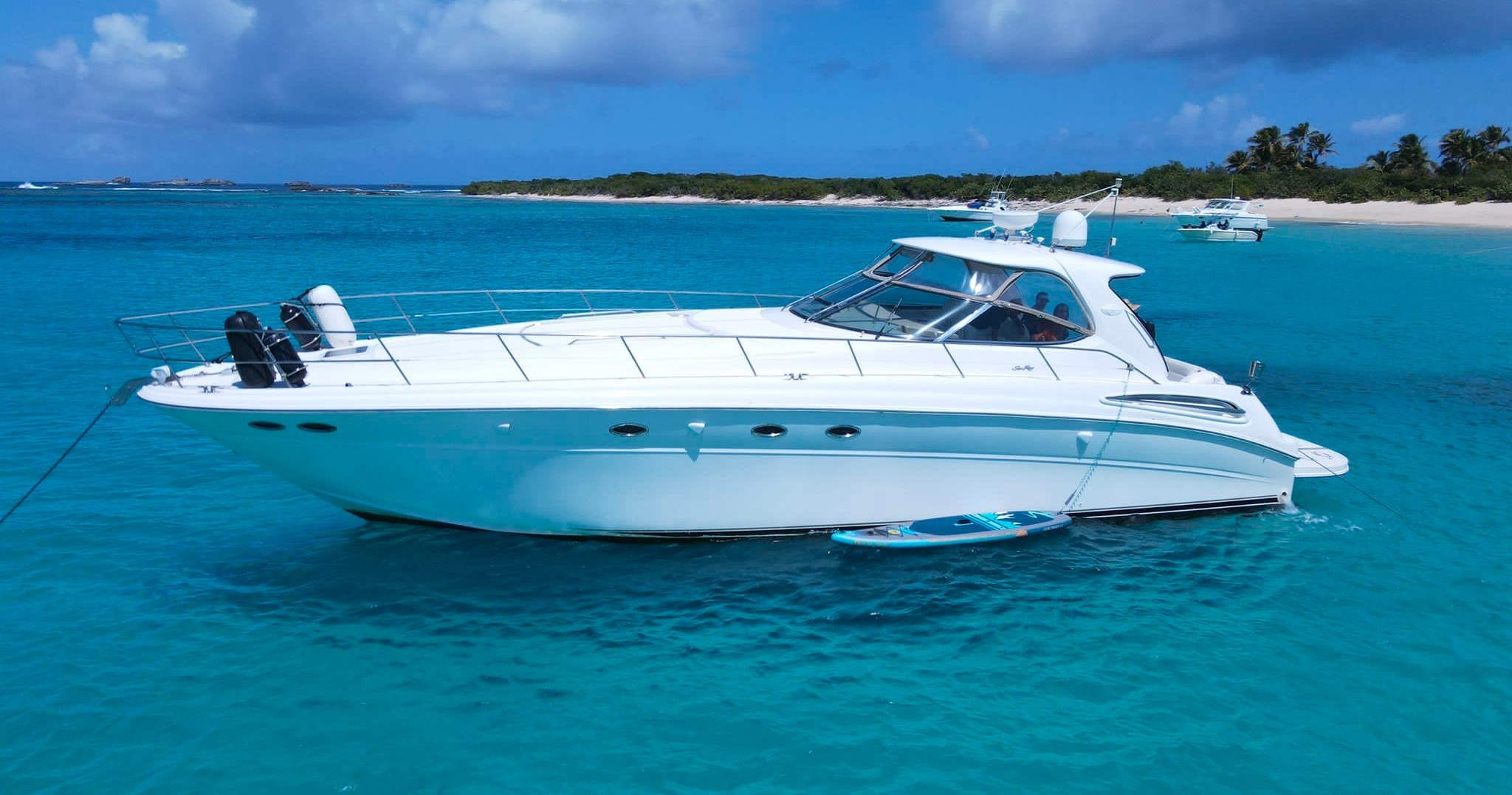
Vieques Island Yayis Beach
Up to 12 People • 7 Hours • Sea Life and a Calm Beach
Discover the stunning beauty of Vieques Island's Yayis Beach on a private boat tour from Fajardo. Perfect for relaxing, snorkeling, and enjoying the Caribbean views, this experience promises an unforgettable adventure.
Vieques Island’s shimmering waters invite exploration, but making the most of a sea tour here hinges on both the design of your boat and what you bring along. The Caribbean currents are alive and purposeful, pushing vessels forward and demanding respect. Comfort is not just a luxury—it’s a necessity when waves dance and winds speak. A well-designed boat crafts your journey’s rhythm, cushioning each ripple and slicing waves cleanly, while the right supplies steady you against the salt and sun.
Modern sea tour boats around Vieques balance stability and speed. Catamarans, with their twin hulls, offer a broader, steadier platform that resists the rocking that tests your balance and nerves. Monohulls, lighter and sleeker, cut through waters swiftly but can pitch more aggressively. Choosing a tour on a catamaran enhances comfort if prone to seasickness or when traveling with families, while monohulls suit those craving a faster-paced experience.
Deck layout also plays into comfort. Boats with cushioned, ergonomic seating and shaded areas protect against the tropical sun’s intensity, which climbs above 90°F (32°C) in summer months. Non-slip decking and handrails are practical essentials—not just safety features but affordances that help maintain steadiness as the sea tests your footing.
Packing becomes a strategic part of your comfort. Freshwater hydration is key; the ocean air and sun accelerate dehydration. A 1-liter water bottle per person, either insulated or alongside a light cooler, keeps drinks cold and ready. Sun protection requires high-SPF sunscreen, sunglasses with UV protection, and broad-brimmed hats—or caps with neck guards, depending on wind exposure. Lightweight, quick-dry clothing shields and breathes, while a windbreaker or light jacket prepares you for the sea’s occasional cool whispers.
Expect salt spray that can sting eyes and dry skin. A small towel or microfiber cloth helps wipe away salt, and usable hand sanitizer keeps hands fresh after touching boat rails or marine gear. Waterproof bags or dry sacks keep your essentials safe—phones, cameras, and snacks all deserve protection from the spray’s reach.
Electronics can capture the journey’s high points, but their vulnerability to moisture demands extra caution. Charging ports or backup power banks tailored for marine environments extend your tech’s battery life to last past golden hour’s hues across the archipelago.
Timing your tour maximizes both comfort and experience. Early morning departures dodge the heat that builds after 10 a.m., while late afternoon trips catch cooler breezes and calmer waters. Peak season from December through April offers calmer seas with the trade winds less aggressive, though offers are fewer and prices higher.
To truly enjoy Vieques’ sea tours, respect the ocean’s force and prepare accordingly. A stable, well-appointed boat combined with strategic supplies lets you settle into the ride, eyes scanning for dolphins that play beside the bow or sea turtles surfacing lazily nearby. The sea here is not conquered; it is engaged on its own terms, fiercely itself and deeply rewarding.
Nearby Trips
All Adventures
Boat Charters
Water Activities
Adventures near Isabel Segunda
Discover the unique and memorable adventures that make Isabel Segunda special.
Frequently Asked Questions
What types of boats are commonly used for Vieques sea tours?
Most tours use either catamarans or monohull boats. Catamarans provide more stability and comfort on choppy waters, ideal for families or those prone to seasickness. Monohulls are generally faster but experience more rocking.
Are sea tours suitable for young children and older adults?
Yes, tours on stable catamarans with shaded seating are best for all ages. The gentle rocking can still be challenging for very young children or those with mobility issues, so choose operators that offer handrails and easy boarding.
What wildlife might I see on these tours?
Look out for playful bottlenose dolphins, sea turtles surfacing near the boats, and a variety of seabirds like frigatebirds. In some months, you might spot migrating humpback whales off the coast.
How can I prepare for temperature changes on the water?
Sea breeze can cool the air even on warm days, especially in the morning and late afternoon. Wear layers that dry quickly and bring a light windbreaker to stay comfortable throughout the tour.
Is seasickness common, and how can it be avoided?
Some visitors experience seasickness, particularly on monohull boats. Choosing catamarans, sitting in the middle where rocking is less pronounced, and staying hydrated while avoiding heavy meals before the trip can reduce symptoms.
Are there any environmental guidelines for visitors on these tours?
Yes, operators encourage guests to avoid littering or disturbing marine life. Using reef-safe sunscreen and not feeding wildlife helps protect Vieques' fragile ecosystems.
Recommended Gear
Reusable Water Bottle
Staying hydrated is critical; bring enough water and keep it cool to manage intense heat and sun exposure.
Sun Hat with Neck Flap
Protects from harsh sun and wind-driven spray, shielding face and neck to avoid sunburn during long hours on deck.
Waterproof Dry Bag
Keeps valuables like phones, cameras, and snacks safe from salt spray and unexpected sea splashes.
Light Windbreaker
Provides warmth and wind protection during cooler mornings or breezy late afternoon tours.
Local Insights
Hidden Gems
- "Sunken raft wreck near the west coast, visible on clear days"
- "Secluded caves accessible only by boat along the northern shore"
Wildlife
- "Migratory humpback whales (seasonal)"
- "Green sea turtles"
- "Frigatebirds and pelicans nesting in nearby cays"
History
"Vieques has a rich maritime history as a strategic naval base in the 20th century; several older boats in the island's fleet incorporate designs inspired by military vessels adapted for tourism."