
Capturing Wild Moments: Photography Tips for Arctic River Adventures
Experience the thrill of photographing Arctic wildlife and stunning river landscapes on a northern adventure near Inuvik. This guide combines vivid descriptions with practical tips to help you prepare for and make the most of your Arctic river photography journey.
Start Early for Best Light
Plan your photography sessions around dawn and dusk to capture crisp, soft lighting characteristic of Arctic river scenes.
Wear Waterproof Footwear
Riverbanks and wetlands are often wet and slippery; sturdy, waterproof boots ensure stable footing and protect your feet from cold water.
Stay Hydrated Despite Cold
Cold air can dehydrate quickly—carry insulated bottles and drink regularly to maintain energy and focus during long hikes or paddles.
Protect Your Gear from Weather
Use weather-sealed camera gear or protective covers to shield your equipment from moisture and cold temperatures common to the region.
Capturing Wild Moments: Photography Tips for Arctic River Adventures

Wilderness Run: Paddle Raft
Ages 5+ • Our paddle option of our popular scenic section • Mellow Class I, II, with one III
Experience the thrill of whitewater rafting through the stunning landscapes of Denali National Park. Perfect for adventure lovers seeking an authentic Alaskan wilderness experience, this trip combines adrenaline with breathtaking scenery. Keep reading to discover what awaits you on this unforgettable journey.
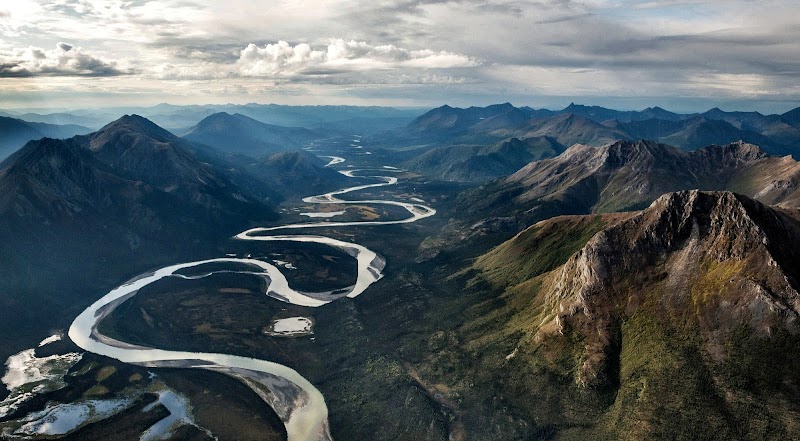
Embarking on an Arctic river adventure offers a unique intersection between raw wilderness and breathtaking visuals. The rivers, seeming to whisper challenges as they carve through unrelenting icefields and tundra, dare you to witness their fierce spirit—and to capture that spirit with your lens. Stretching over varying distances, most routes range from 10 to 25 miles, with elevation gains modest but frequent, navigating rolling terrain shifting between dense forest edges and expansive open riverbanks.
The landscape moves with deliberate unpredictability—ice-bound trunks jut from the river, frozen spray catches morning light, and wildlife slips cautiously in and out of frame. Early mornings and late evenings provide the best light, revealing sharp contrasts between the whiteness of drifting snow and the deep blues of thawed waters. Expect the terrain beneath your boots to shift with the season: spring offers muddy banks and slowly thawing river edges, summer brings mossy exposure and stable footing, while fall trades warmth for brisk winds that push clouds across a low Arctic sky.
Wildlife here is sharply attuned to these rhythms. Caribou graze near the river’s calm meanders, Arctic foxes dart across open patches, and birds like gyrfalcons perch high, scanning the flow beneath. Each element engages with you—the river currents push your kayak downstream or ripple your patience on hiking riverside paths. It’s a landscape fiercely itself, demanding respect and careful preparation.
Practical considerations make or break the expedition’s success. Water hydration can’t be taken lightly—the cold dries you faster than you’d expect. Quality waterproof footwear with sturdy grip is essential for slippery riverbanks and unexpected puddles. Sunrise and sunset are short; timing your shoots requires early starts or patient waits. Carry a camera with weather sealing or a protective cover, along with quick-access lenses suited for wildlife and sweeping panoramas.
Position yourself on higher ridges or on stable outcrops by the river to avoid disturbing wildlife but capture commanding views. Keep your shutter speed ready, anticipating swift movements from animals startled by the wind or the sudden splash of the river. Frame shots that balance the expansive stillness of ice and rock with the intimate energy of a lone ptarmigan navigating reeds.
This is no gentle stroll: layered clothing, constant awareness of weather shifts, and physical readiness to manage up to six hours of hiking or paddling daily define the journey’s practical backbone. Yet, the reward is vivid—the raw, open air, the fleeting glance of a musk ox, the cold river currents challenging your every step and shot. You leave this wild place not just with images but with a deeper understanding of a fierce northern frontier at the edge of the world.
Nearby Trips
All Adventures
Boat Charters
Water Activities
Adventures near Inuvik
Discover the unique and memorable adventures that make Inuvik special.
Frequently Asked Questions
What’s the best way to approach wildlife without disturbing them?
Maintain a respectful distance and move slowly with minimal noise. Use telephoto lenses to capture close-ups without encroaching on animals’ space.
Are there any safety concerns when photographing near Arctic rivers?
Yes. River currents can be strong and unpredictable, especially during thaw periods. Always scout locations carefully, avoid slippery edges, and inform others of your plans.
How can I keep my camera gear from fogging or freezing?
Use silica gel packs inside your camera bag, acclimate your camera slowly when moving between temperatures, and keep batteries warm to avoid quick drain.
What types of wildlife are most commonly seen along Arctic rivers?
You can expect to see Arctic foxes, caribou, various waterfowl, and occasionally musk oxen. Bird species such as gyrfalcons and plovers are also frequent.
Is cell phone service available along the river routes?
Generally no; these are remote areas with limited connectivity. Carry GPS devices and emergency communication equipment when possible.
How should I prepare for changing weather during the adventure?
Layer clothing and carry windproof and waterproof outerwear. Check weather forecasts regularly, and be prepared to adjust your schedule if conditions deteriorate.
Recommended Gear
Waterproof Hiking Boots
Keeps feet dry and provides solid grip on muddy and slippery riverbanks common during thaw.
Weather-Sealed Camera
Protects photographic equipment against rain, spray, and cold, allowing uninterrupted shooting in variable conditions.
Layered Clothing System
Allows adaptation to fluctuating temperatures and wind exposure, from brisk mornings to midday sun.
Insulated Water Bottle
Prevents water from freezing or warming, keeping you properly hydrated throughout long excursions.
Local Insights
Hidden Gems
- "The high bluff near the East Fork offers panoramic views rarely visited by other travelers."
- "A narrow inlet where beavers create lodges provides excellent opportunities to catch intimate animal behavior."
Wildlife
- "Arctic ground squirrels are surprisingly common near riverbanks in summer, lively and photogenic."
- "Golden eagles glide fiercely above the river valleys hunting for small prey."
History
"This river corridor was historically used by Indigenous peoples for seasonal hunting and fishing, with archeological sites providing evidence of long-standing cultural ties to the land."