Navigating Nightfall: Safety and Etiquette for Kayak Dusk Outings to Observe Endangered Gray Bats
Glide silently through Alabama’s twilight rivers to witness the endangered gray bats in their natural habitat. This guide offers clear safety tips and respectful practices for kayak dusk outings, ensuring an unforgettable and responsible wildlife encounter.
Paddle Calmly Near Bat Roosts
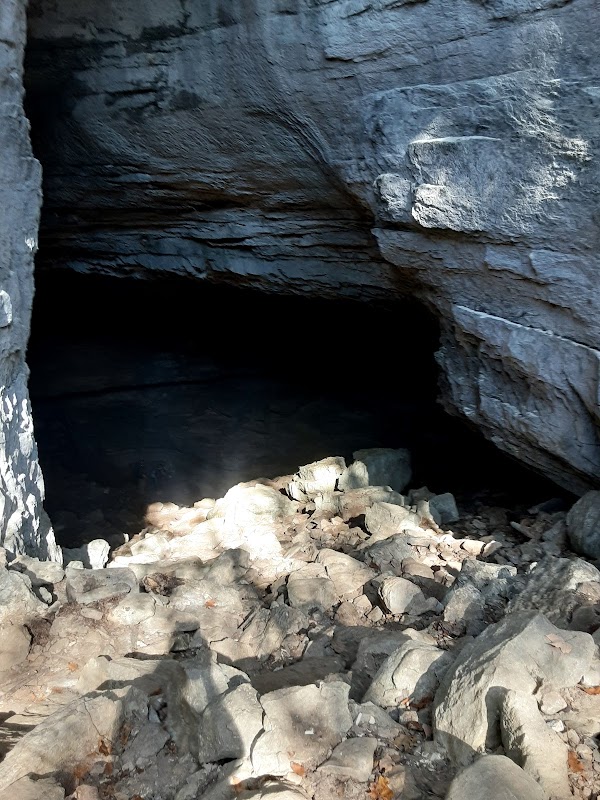
Maintain gentle strokes and avoid loud noises to prevent disturbing bats, especially near cave entrances and overhangs where they roost.
Use Red-Filtered Lights
If you need artificial light for navigation, use red-filtered bulbs or headlamps to reduce disruption of bat echolocation and vision.
Wear a Life Vest
Always wear a personal flotation device throughout your trip to ensure safety on potentially unpredictable waters after dark.
Avoid Flash Photography
Refrain from using flash photography to protect bats’ sensitive eyes and prevent sudden behavioral disturbances.
Navigating Nightfall: Safety and Etiquette for Kayak Dusk Outings to Observe Endangered Gray Bats

Nickajack Bat Cave Sunset Kayak Tour
2 Hours • Ages 7+ • Available late March - early October
Discover the magic of dusk at Nickajack Cave with a guided kayak tour in Chattanooga. Witness endangered gray bats taking flight as the sun sets, all while learning about local ecosystems. An unforgettable nocturnal adventure awaits right on the Tennessee River.
Dusk on the river brings a transformation. The fading light tugs the current from steady to slow, inviting kayakers to glide alongside a world that stirs with quiet life. Among these evening rituals, the endangered gray bats emerge—sinuous shadows weaving through air like whispered secrets. Observing these creatures up close on a kayak excursion offers a rare, immersive encounter. Yet respecting their fragile existence demands thoughtful preparation and strict adherence to safety and etiquette rules.
Start your voyage at least an hour before sunset, allowing enough daylight to navigate the river’s twists and avoid hazards like submerged rocks and low-hanging branches. The water will challenge your paddle strokes; currents may quicken or slacken as dusk deepens, daring you to adapt. Wear a life vest at all times—safety is non-negotiable when light diminishes.
When the gray bats appear, minimize noise; the river’s quiet pulse is their hunting backdrop. Paddle gently and steer clear of roosts located near caves or overhangs—disturbance can stress these vulnerable mammals and even cause colony abandonment. Use a dim, red-filtered headlamp if illumination is needed, as bright white light disorients bats and other nocturnal wildlife.
Avoid flash photography. The bats’ eyes and echolocation abilities are sensitive to sudden bright lights that interrupt their natural behavior. Instead, focus on the rhythm of their flight and the unfolding dusk scene. Patience will reward you with moments where silvery wings fleetingly catch the last light, and the river reflects the dimming sky and fluttering life alike.
Plan your route with an emphasis on low-impact travel: keep to wider channels, avoid paddling close to cave entrances, and follow all local wildlife protection guidelines. Hydration and layered clothing are critical. Evening temperatures can drop sharply, especially when you’re still on water exposed to cooling breeze sweeping over the river surface.
Before you push off, confirm weather forecasts to avoid unexpected storms that could complicate nighttime navigation. Equip your kayak with safety essentials: at least one whistle, a paddle leash, and a waterproof flashlight. Communication devices with GPS capability can be vital in emergencies, particularly when cell reception fades along isolated stretches.
By embracing these protective measures and etiquette guidelines, you ensure not only your safety but also safeguard the gray bats’ survival. Encountering this endangered species in their twilight world is a privilege that comes with responsibility—one that preserves both the thrill of adventure and the delicate balance of nature’s cycles.
Nearby Trips
All Adventures
Boat Charters
Water Activities
Adventures near Huntsville
Discover the unique and memorable adventures that make Huntsville special.
Frequently Asked Questions
Why is it important to avoid disturbing gray bat roosts during kayak outings?
Gray bats are federally endangered and highly sensitive to disturbances. Disrupting their roosts can cause colony abandonment, threatening their survival.
What specific lighting practices should I follow on a dusk bat kayak trip?
Use dim, red-filtered lights instead of bright white ones. This minimizes impact on bats' echolocation and helps maintain their natural behaviors.
Are there any permits required for kayak bat observation in Alabama?
Many protected areas require permits to monitor visitor numbers and protect habitat. Check with local wildlife agencies or park services before your trip.
How can I safely navigate the river after dark during these outings?
Paddle in groups, use red lights, carry a GPS device or map, wear a life vest, and avoid risky currents or hidden obstacles.
What is the best time window to witness gray bat emergence from caves?
Typically, 30 to 60 minutes after sunset when bats leave their roosts to feed, though timing varies seasonally and with weather conditions.
Can I bring my dog on a dusk kayak trip to see the bats?
Pets can cause unexpected disturbances and pose safety risks on water at night. It’s generally advised to leave pets at home to protect wildlife and ensure your own focus.
Recommended Gear
Life Vest
Critical for safety on shifting currents and diminished visibility after dusk.
Red-Filtered Headlamp
Preserves bat behavior while providing enough light for safe navigation.
Waterproof Layered Clothing
Protects against chill and moisture as temperatures fall after sunset.
Insect Repellent
Helps manage mosquitoes and other insects common at dusk during warm months.
Local Insights
Hidden Gems
- "Hidden river alcoves that offer quiet observation points"
- "Small limestone caves along the river that serve as bat roost sites"
Wildlife
- "Eastern screech owls active at dusk"
- "River otters moving through calmer pools"
- "Summer fireflies illuminating riverbanks"
History
"The gray bat population has faced sharp declines due to habitat loss and white-nose syndrome, making preservation efforts around Alabama’s waterways critical."