
Experience salmon fishing on Alaska’s Wolf Eel River, where rugged wilderness meets steady salmon runs. This guide blends practical tips with vivid insights, helping anglers prepare for a comfortable and rewarding adventure in one of Southeast Alaska’s wildest settings.
Choose Sturdy, Waterproof Footwear
The trail to prime fishing spots is rocky and damp; reliable boots or waders with a solid grip help prevent slips on wet surfaces.
Hydrate and Bring Snacks
Carry at least 2 liters of water and energy-boosting snacks; even moderate hikes in coastal Alaska can be unexpectedly draining.
Layer Light Rain Gear
Weather shifts rapidly. Waterproof and breathable outerwear ensures comfort whether drizzles or sudden showers arrive.
Time Your Visit with the Salmon Run
Plan trips around late July to early September to align with peak salmon activity for higher catch chances.
Comfort and Confidence: Salmon Fishing on Alaska’s Wolf Eel River

3/4 Day Salmon Fishing and Whale Watching Combo
Starting at $1,300 | 6 Hours | Best way to experience nature!
Discover the thrill of salmon fishing combined with whale watching on a half-day trip with Lost in Alaska Adventures. Set sail from Juneau aboard 'The Wolf Eel' for an unforgettable marine experience surrounded by towering fjords and abundant wildlife.
Salmon fishing along Alaska’s Wolf Eel River offers a raw, thrilling encounter with one of the state's most prolific waterways. The river, pushing steadily through dense forests and jagged outcrops, commands respect. To make your experience not just successful but comfortable, preparation and understanding of the environment are key.
The Wolf Eel is accessible via a rugged trailhead just outside the small fishing village of Hoonah. The trek to prime fishing spots covers roughly 4 miles round trip with moderate elevation changes, around 500 feet, through forest paths that cleanse the air with spruce and cedar scents. The trail surface shifts between packed dirt and slick river rocks; solid, waterproof footwear with good grip is non-negotiable here.
Early mornings offer the best combination of low human traffic and active salmon runs. The river dares you close, with currents that both challenge your footing and create prime pools for salmon gathering. Expect to stand with one foot in cool, rushing water, feeling the river’s pulse through your rod as it flexes. Waders are highly recommended — not only do they protect against cold water, but they afford freedom to reach those less crowded fishing holes.
Hydration cannot be overstated. The hike may seem manageable, but carrying a 2-liter water reservoir plus a small lunch energizes you for focused casting. Weather on the coast swings quickly; lightweight, layered rain gear is essential even on otherwise calm days, as the environment can turn fiercely on a dime.
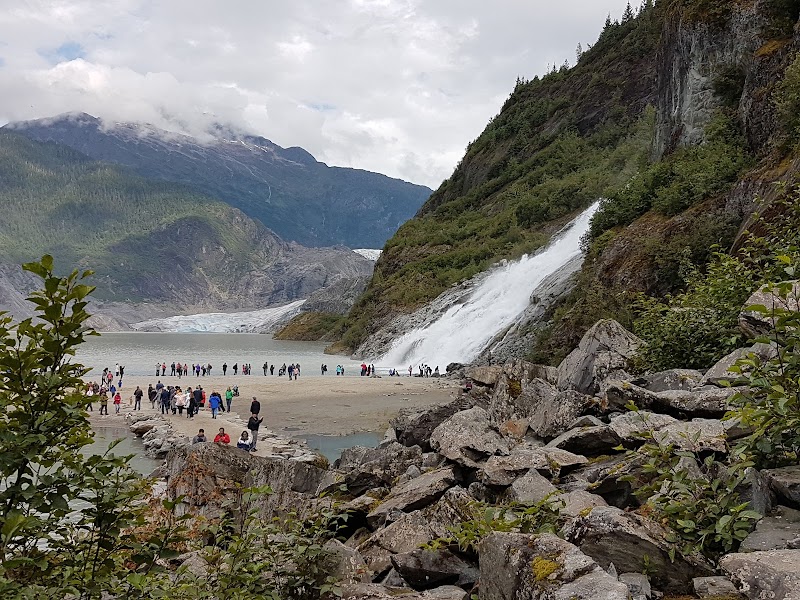
Bring a well-maintained rod setup tuned for salmon, paired with locally recommended lures or flies. Locals advise timed trips around the later summer months to coincide with peak salmon runs. Beyond the fishing, the Wolf Eel offers an opportunity to engage with a landscape that holds both challenge and welcome: currents push you forward, trees lean in like watchers, and rocky banks offer vantage points for quiet reflection or quick scouts of fish beneath the surface.
Remember, this isn’t a battle to conquer the river but a collaboration with a wild force that rewards patience, respect, and proper gear. Planning your adventure with practical considerations—timing, equipment, physical readiness—makes your day on the Wolf Eel not just about catching salmon but feeling at ease within Alaska’s untamed heart.
Nearby Trips
All Adventures
Boat Charters
Water Activities
Adventures near Hoonah
Discover the unique and memorable adventures that make Hoonah special.
Frequently Asked Questions
What is the best time of day to fish on the Wolf Eel River?
Early morning, especially around dawn, offers cooler temperatures and active salmon runs with fewer anglers present, increasing your chances of success.
Are there guided tours available for salmon fishing here?
Hoonah offers several experienced guides who provide all gear and expertise needed, ideal for first-timers or those unfamiliar with local waterways.
Is prior fishing experience necessary to enjoy the Wolf Eel River?
Basic knowledge helps, but many spots are accessible to intermediate anglers. Guided options also provide hands-on instruction.
What kind of salmon species can I expect to catch on the Wolf Eel?
King, sockeye, and coho salmon are the primary species during run seasons, each presenting a unique challenge for anglers.
Are there any environmental regulations I should be aware of?
Yes, adhere to local catch limits and licensing requirements. The river’s delicate ecosystem mandates catch-and-release practices on certain species and areas.
Can the river current be dangerous for waders?
While manageable, currents can be strong and unpredictable. Waders should always use caution, carry a wading staff, and never fish alone.
Recommended Gear
Waterproof Hiking Boots
Crucial for navigating wet and rocky trails safely while keeping feet dry.
Chest Waders
Allow anglers to enter the river safely and comfortably, giving access to better fishing spots.
Layered Rain Jacket
Protects against unpredictable Alaskan rains without overheating.
Hydration Pack
Keeps water easily accessible during the trek and fishing periods to maintain energy.
Local Insights
Hidden Gems
- "A small waterfall about two miles upstream offers a peaceful spot to rest and scout fish."
- "A rocky outcrop on the east bank provides panoramic views over the river’s bends rarely visited by most anglers."
Wildlife
- "Bald eagles often soar overhead or perch along the river’s edge, watching the salmon runs intently."
- "Otters playfully navigate the calmer pools, a rewarding sight for patient anglers."
History
"The Wolf Eel River has been part of Tlingit ancestral lands for centuries, serving as both a vital fishing ground and a cultural cornerstone. Observing respectful fishing practices honors this heritage."