
Mastering E-Bike Comfort and Safety on Oregon’s Columbia River Gorge Scenic Routes
Explore the Columbia River Gorge by e-bike with expert tips on how to stay comfortable and safe across its diverse trails. From tackling elevation gains to managing wind and terrain, this guide gets you ready for an engaging adventure through one of Oregon's most scenic corridors.
Adjust Tire Pressure for Mixed Terrain
Lower your e-bike’s tire pressure slightly (to around 30-35 psi) to absorb shocks from gravel and rocky patches while maintaining efficient rolling on paved sections.
Start Early to Beat the Gorge Winds
Begin your ride by 8 a.m. to avoid the strong midday winds that can push hard against cyclists, especially along exposed ridges near the Columbia River.
Carry Ample Water and Snacks
Plan for at least 15 miles without water stops; bring more than usual due to increased exertion from elevation changes and wind resistance.
Wear Bright, Layered Clothing
Use breathable layers that can be added or removed quickly, and bright or reflective gear to stay visible on busy trails shared with pedestrians and vehicles.
Mastering E-Bike Comfort and Safety on Oregon’s Columbia River Gorge Scenic Routes

Electric Bike Rental • 1 day
•Aventon Pace 500.3• Rent E-bikes anytime after 9am and return E-bikes before sunset!
Discover Sarasota on two wheels with an electric bike rental from Legacy Trail Bike Rentals. Perfect for exploring scenic trails, beaches, and local highlights, this eco-friendly adventure offers a fun and accessible way to experience Florida’s Gulf Coast.
The Columbia River Gorge doesn’t simply invite e-bike riders to explore its epic landscapes—it dares you to engage actively with its shifting winds and diverse terrain. Spanning roughly 80 miles along the border of Oregon and Washington, this corridor offers a mix of wide river views, forested trail sections, and steep climbs that test your endurance and bike setup alike.
To maximize comfort and safety on these routes, preparation must be precise. The Gorge’s total elevation gain can exceed 2,000 feet across certain segments, such as the route from Hood River to Cascade Locks, which blends paved trails with gravel and some technical patches. Your e-bike’s suspension will be your best friend against shale and rocky parts. Tire pressure set slightly lower than usual cushions your ride but balances traction and rolling resistance.
Start your journey early to avoid the noon winds that push hard against riders. Morning light streams through towering Douglas firs, while the river below murmurs challenges to keep moving forward. Harness the natural rhythm of the route—slow down into descents where the trail narrows, and anticipate gusts as you crest ridge lines.
Hydration is vital along this stretch; water stations are scarce beyond Hood River itself. Carry enough to cover at least 15 miles, factoring in the extra effort from elevation and wind resistance. For footwear, choose closed, supportive shoes with a good grip—routes often stray off asphalt and onto gravel or dirt.
Safety also hinges on clear visibility. Bright, breathable clothing paired with reflective gear ensures you’re seen on shared-use paths. Bring layered clothing: the Gorge’s weather can flip from sun to sudden chill, especially near waterfalls and riverbanks.
E-biking here is not just a ride; it’s an interaction with the Gorge unfolding around you—a river that calls you on, winds that remind you to respect, hills that test your power. Meeting these elements prepared helps you savor each stretch without sacrificing control or comfort.
Ready your bike, plan your stops, and respect the environment, and the Columbia River Gorge will reward you with views and experiences that stay vivid long after the journey ends.
Nearby Trips
All Adventures
Boat Charters
Water Activities
Adventures near Hood River
Discover the unique and memorable adventures that make Hood River special.
Frequently Asked Questions
Are e-bikes allowed on all Columbia River Gorge trails?
Most paved and designated multi-use trails in the Gorge welcome e-bikes, but some narrow or protected trails, especially within specific state parks, restrict motor-assisted vehicles. Always check local trail rules before heading out.
How steep are the climbs on popular Gorge e-bike routes?
Elevation gains typically range from 500 to 2,000 feet depending on distance. For example, the route between Hood River and Cascade Locks involves gradual climbs averaging 5-7%, with occasional steeper pitches requiring moderate effort.
What hazards should I watch for when riding in windy sections?
Strong crosswinds may destabilize the bike, especially near exposed ridges and bridges. Lean slightly into the wind and reduce speed. Watch for debris blown onto paths.
Are there bike repair services or shops near the trailheads?
Hood River offers multiple bike shops with rentals and repair services, ideal for last-minute tuning or breakdowns. Cascade Locks also has limited services but plan accordingly.
Is wildlife common along the e-bike routes?
Yes, black-tailed deer, river otters near water, and a variety of birds like bald eagles and swallows are frequent sights. Keep distance and avoid startling animals.
What local landmarks enhance the cycling experience?
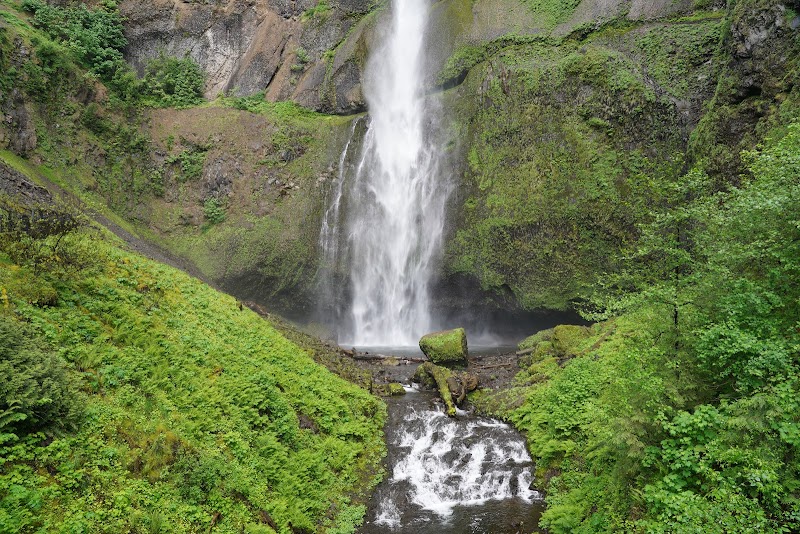
The Bonneville Dam, Multnomah Falls (viewed from certain trails), and Beacon Rock on the Washington side provide scenic stops that blend natural beauty with cultural history.
Recommended Gear
Full-Finger Cycling Gloves
Protects hands from vibration and sudden gusts; essential for grip and comfort over long distances.
Hydration Pack or Water Bottles
Critical for maintaining hydration given limited refill points and exertion levels.
Lightweight Windbreaker
Blocks unexpected chills from river breezes and wind gusts, while remaining breathable.
Puncture-Resistant Tires
Recommended upgrade to reduce the risk of flats on rocky or gravel trail sections.
Local Insights
Hidden Gems
- "Memaloose Overlook for broad river views with fewer visitors"
- "Windsurfing spots near Hood River where you can watch skilled athletes"
- "The less-traveled Klickitat Trail on the Washington side, great for quieter rides"
- "Historical fish hatcheries near Cascade Locks with interpretive signage"
Wildlife
- "Black-tailed deer often appear at dawn and dusk in forest edges"
- "River otters play near calm water pockets daring riders to pause"
- "Bald eagles soar high, especially in colder months feeding on salmon runs"
History
"The Gorge has long been a trading and travel corridor for Native American tribes, whose presence and culture still influence the area through place names and protected sites. The Columbia River also played a pivotal role in the Lewis and Clark expedition and later in hydroelectric development."