Timing your Hawaiian water activities to the island’s weather patterns unlocks safer, more rewarding adventures. From tranquil morning swims to wind-charged afternoons, learning to read ocean and sky conditions helps you optimize every splash in paradise.
Start Early for Calmer Waters
Mornings generally offer the safest and clearest water conditions, perfect for snorkeling and kayaking before trade winds intensify.
Check Local Surf and Weather Reports
Daily surf and weather forecasts provide crucial updates on wave size, currents, and wind conditions to plan your water activities safely.
Wear Reef-Safe Footwear
Volcanic rocks and coral can be sharp; protective footwear prevents injuries and safeguards marine environments.
Be Wary of Sudden Rain and Flash Floods
Heavy rains can raise river levels and currents quickly; avoid freshwater swimming soon after storms to reduce risk.
Mastering the Timing of Hawaiian Water Activities for Weather-Perfect Adventures

Inter Island Trip
Multi-Day Inter Island Trip
Join Ruckus Sportfishing & Diving for a two-day inter-island water adventure in Hawaii, featuring fishing, diving, and snorkeling. Discover coral reefs, marine wildlife, and stunning island vistas on this dynamic ocean tour from Honolulu.
Hawaii's ocean and freshwater adventures excite with promise—but they demand respect for the island’s dynamic weather rhythms. Timing your water activities is not just about catching the sun; it’s about reading the pulse of wind, waves, and rain to align your experience with safety and thrill.
Each Hawaiian island has a shifting personality shaped by trade winds and trade-offs. Mornings often greet the shores with calmer seas and lighter winds, inviting snorkelers and paddleboarders to explore the reefs without battling surge or swell. By mid-afternoon, trade winds pick up, stirring the ocean’s temperament, which can be a boon for windsurfers and kiteboarders but a cautionary signal for casual swimmers.
Rain clouds, though often brief, drape the mountains and funnel fresh rivers to the coast. These rainy spells recharge waterfalls and lend power to strong currents near stream mouths. If your plan includes river paddling or waterfall swims, aim for late morning after a dry break: the mornings tend to have less flash flood risk, with water levels steady yet invigorated.
Be aware of the season. Winter months bring larger swells crashing against the north shores of islands like Oahu and Maui. Surfers chase these legendary waves, but casual water users should avoid unguarded beaches as currents grow fierce and unpredictable. Summer shifts the action to south shores where calmer conditions favor snorkeling and stand-up paddling.
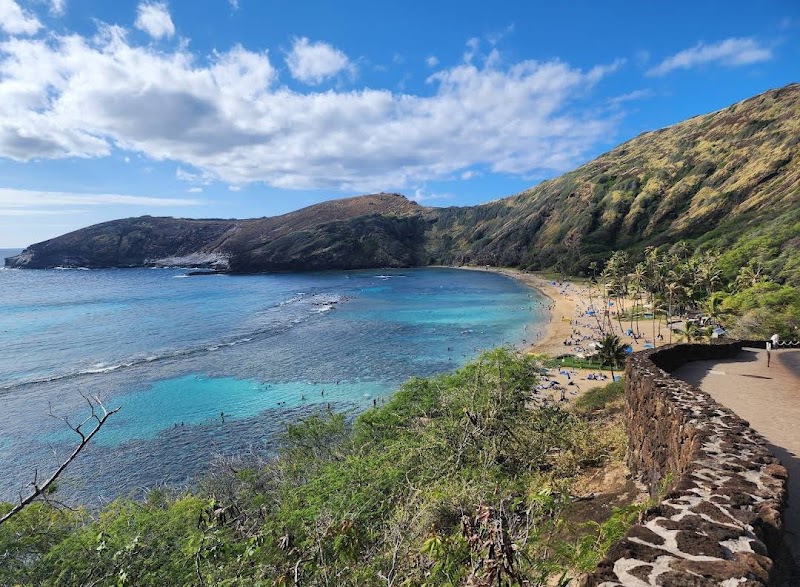
Choose your beach and activity wisely based on daily forecasts and historical trends. Sites like Hanauma Bay on Oahu are best in early mornings when clarity and calm permit unparalleled underwater visibility. Conversely, Hookipa Beach on Maui rouses wind lovers as trade winds increase around mid-day, demanding strength and attention.
Water temperature hovers around a comfortable 77-82°F year-round, but swift currents and sudden rain-driven floods can challenge even the prepared. Hydrate thoroughly before launching into salt or fresh water adventures, wear sturdy reef-safe footwear to negotiate volcanic rock and coral, and pack a light waterproof jacket for tropical showers.
Ultimately, Hawaiian waters are fiercely themselves: inviting but demanding respect and timing. Use weather as your compass—not just as background—to find the sweet spot of thrill and safety. Your water adventure here succeeds with preparation, awareness, and readiness to shift plans as nature calls.
Nearby Trips
All Adventures
Boat Charters
Water Activities
Adventures near Honolulu
Discover the unique and memorable adventures that make Honolulu special.
Frequently Asked Questions
What time of day is best for snorkeling in Hawaiian waters?
Early mornings are ideal due to lighter winds and calmer seas, which increase water visibility and reduce surface turbulence.
Are there any safety concerns with swimming at Hawaiian beaches during winter?
Yes, winter swells can lead to strong currents and high surf on north-facing beaches, increasing the risk for inexperienced swimmers and weak currents.
How quickly can weather changes impact river activities on the islands?
Tropical rains can cause flash floods rapidly, sometimes within minutes, especially in mountainous watersheds, so avoid river activities shortly after heavy rain.
Is it necessary to have prior surfing or windsurfing experience to try these sports in Hawaii?
Beginner lessons are widely available; however, certain spots require advanced skills due to strong currents and large swells, especially in winter.
What local wildlife should I be aware of during water activities?
Look out for Hawaiian monk seals resting on beaches, green sea turtles in reefs, and avoid disturbing them. Jellyfish appear occasionally and can sting.
How can I protect myself from sun exposure during water activities?
Use reef-safe sunscreen, wear a hat and UV-protective clothing, and limit mid-day exposure when the sun is strongest.
Recommended Gear
Reef-Safe Water Shoes
Protects feet from sharp volcanic rocks and coral; helps maintain grip on slippery surfaces.
Lightweight Waterproof Jacket
Keeps you dry during sudden tropical showers common in transitional seasons.
Hydration Pack or Water Bottle
Staying hydrated is critical when exposed to tropical sun and saltwater.
Snorkel Mask and Fins
Enhances underwater exploration when ocean conditions are calm and visibility is best.
Local Insights
Hidden Gems
- "Lanikai Pillboxes Trail offers panoramic views of calm offshore waters perfect for early kayak departures."
- "Secret beach coves on Oahu’s eastern shore experience less crowding and clearer waters during off-peak hours."
Wildlife
- "Hawaiian green sea turtles (honu) often bask on rocks in shallow reefs."
- "Spinner dolphins frequent coastal waters during dawn and dusk."
History
"Hawaiian water practices have deep roots in ancient ahupua'a land divisions, where fresh and saltwater management sustained communities sustainably."