
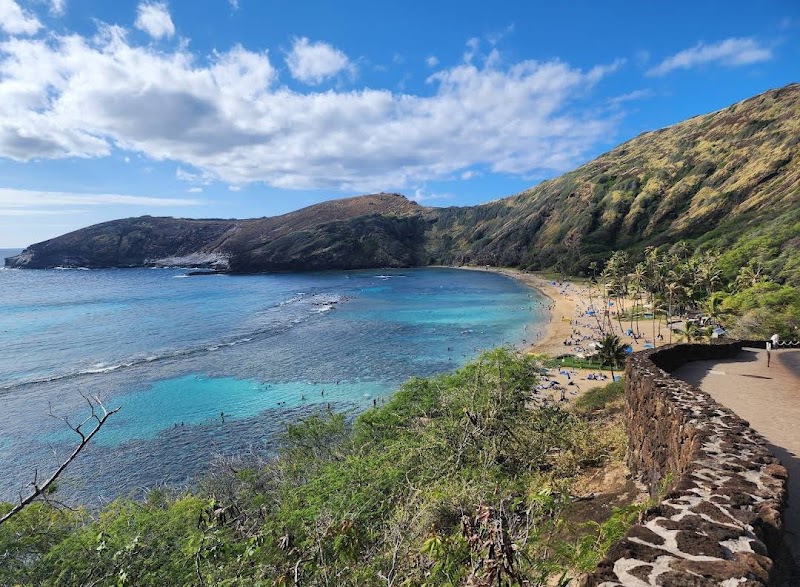
Maunalua Bay offers underwater adventures where timing dictates the clarity and the magic beneath the waves. Plan your visit around tides and weather to experience the clearest views of vibrant coral reefs and marine life just off Oahu’s coast.
Snorkel at Slack Tide
Plan your dive during slack tide—the calm period between incoming and outgoing tides—for the best underwater visibility and minimal currents.
Hydrate Before and After
The Hawaiian sun is demanding; keeping well-hydrated before and after your swim is crucial to maintain energy and prevent fatigue.
Use Reef-Safe Sunscreen
Protect your skin and the environment with reef-safe sunscreen that won’t harm the delicate coral ecosystems.
Avoid Mornings After Rain
Heavy rain washes sediment into the bay, reducing visibility—wait at least 24 hours after a rainstorm before venturing underwater.
Mastering Timing for Crystal-Clear Underwater Adventures in Maunalua Bay, Oahu

Submarine Scooter & Seabob (Super Dolphin)
Starting at $342 | 2 Hour Tour
Discover the ocean like never before with a private Submarine Scooter & Seabob adventure in Honolulu. Glide through clear waters, explore vibrant marine life, and enjoy a one-of-a-kind ocean experience tailored just for you!
Maunalua Bay on Oahu's south shore invites explorers beneath its surface where the ocean tells stories in coral and currents. But to unlock those stories, timing is everything. Visibility underwater depends on nature’s rhythm—tides, light, and the state of the sea all playing their part. Plan your adventure for early mornings when the bay calms and sunlight cuts through with minimal scatter. Midday sun brings the brightest light but can fade fast if wind or afternoon showers stir sediments. Avoid days after heavy rain; the runoff pushes murky waters into the bay, shrouding reefs that would otherwise glow with clarity.
With limited currents during slack tide, Maunalua surrenders its secrets more readily. This period—between incoming and outgoing tides—means fewer water disturbances and particles clouding your view. The reduced movement allows you to drift alongside vibrant coral gardens and watch the bay’s native fish dart and linger with quiet confidence.
A snorkel or dive here isn't just an encounter; it’s a conversation with an environment that demands respect. The bay’s coral formations rise with character and resilience, sculpted by waves pushing and pulling relentlessly. Prepare yourself with well-fitted gear—mask, fins, and reef-safe sunscreen—and avoid overexerting before entering, so you move with steady, deliberate ease.
Accessibility is practical. The main launch points at Maunalua Bay Park offer easy entry and modest parking facilities, favoring light, thoughtful packing. Plan your hydration carefully—Hawaiian sun doesn’t just shine, it insists. Hydrate before and after your underwater venture to keep pace with the day’s demands.
Underwater adventures here offer more than just visibility—they offer a chance to synchronize your dive with the bay’s pulse. Watch how the sun wakes surface ripples and shifts shadows, making each excursion unique. Respect the tides' timing, heed weather shifts, and Maunalua Bay becomes more than a destination: it’s an active partner in your exploration.
Nearby Trips
All Adventures
Boat Charters
Water Activities
Adventures near Honolulu
Discover the unique and memorable adventures that make Honolulu special.
Frequently Asked Questions
When is the best time to snorkel for peak visibility in Maunalua Bay?
The best visibility occurs during slack tide—roughly an hour before and after high or low tide—usually in the early morning. Avoid days after heavy rainfall for clear waters.
Are there any local restrictions or conservation rules to follow while snorkeling here?
Yes. Touching or stepping on coral is prohibited to protect the fragile ecosystem. Use reef-safe sunscreen only and avoid feeding or disturbing marine life.
What wildlife can I expect to see in Maunalua Bay's waters?
Look for a variety of tropical fish species, green sea turtles, and occasionally reef octopus. Mullet and moorish idols are common visitors to coral patches.
Are there any hidden underwater sites or features worth exploring?
Yes, some coral ridges and underwater caves near the southern end of the bay offer quieter spaces with abundant marine life, best accessed during slack tide for safety.
How should I prepare for changing weather conditions during my underwater adventure?
Check local forecasts and tide charts before heading out. Pack a lightweight rain jacket and plan exits at accessible shore points in case quick returns become necessary.
What should beginners know before attempting snorkeling here?
Begin with calm mornings during slack tide, avoid strong currents, and never snorkel alone. Rent gear that fits properly and consider guided tours for additional safety and insight.
Recommended Gear
Snorkel Mask with Anti-Fog Coating
Clear vision is essential; an anti-fog mask helps maintain visibility during longer underwater explorations.
Reef-Safe Sunscreen
Protects your skin without harming coral reefs—ideal for Hawaiian marine environments.
Fins with Adjustable Straps
Efficient movement through water and better control in currents helps conserve energy.
Hydration Pack or Water Bottle
Staying hydrated before and after your underwater visit is key to maintaining energy levels in tropical heat.
Local Insights
Hidden Gems
- "Kuliouou Beach Park nearby offers quieter shore entries and less crowded snorkeling."
- "Small underwater vents in the southeastern corner create interesting microhabitats."
Wildlife
- "Green sea turtles use this bay for resting and feeding spots, quieter times improve chances of sightings."
- "The elusive reef octopus often hides near crevices along coral edges."
History
"Maunalua Bay played a significant role in Hawaiian fishing traditions and continues to be a site where local communities practice sustainable fishing and conservation."