
Oahu’s South Shore offers vibrant snorkeling and diving experiences that shift with tides, seasons, and winds. This guide helps you pinpoint the best times and conditions to safely explore the underwater landscapes along one of Hawaii’s most dynamic coastlines.
Best Time for Clear Water
Plan your snorkeling or diving trips early in the morning to enjoy the calmest waters and best visibility before trade winds stir the sea.
Tide Awareness
Check tide charts and aim for mid-to-high tide to avoid shallow reef hazards and improve access to marine life habitats.
Use Reef-Safe Sunscreen
Protect yourself and the environment by applying reef-safe sunscreen to avoid damaging fragile coral ecosystems.
Monitor Currents and Conditions
South Shore currents can shift quickly; always review surf and weather reports before heading out, especially during winter months.
Timing and Conditions for Snorkeling and Diving on Oahu’s South Shore

Private Charter
2 to 4 Hours, up to 30 Passengers, All Ages Welcome
Join Trident Adventures in Honolulu for a private sailing, snorkeling, or diving journey through Hawaii’s stunning south shore waters. Discover vibrant marine life aboard a vessel designed for comfort and intimacy—perfect for families, couples, or small groups seeking a personalized ocean experience.
Oahu’s South Shore pulses with an inviting urgency for snorkelers and divers alike, each tide and time of day crafting a distinct interaction with the ocean. From the vibrant coral beds brushing Waikiki to the quieter coves of Hanauma Bay, knowing when to jump in transforms your experience from ordinary to exceptional.
The South Shore’s appeal lies not just in its marine life but the rhythms of wind, waves, and currents that dictate visibility, safety, and encounter opportunities. Early mornings—between 7 a.m. and 10 a.m.—often deliver the clearest water. The reef and subtropical fish become almost tangible as sunrays carve through calm surfaces, an optimal window before trade winds rouse the seas.
Seasonally, summer months (May to October) bring calmer ocean conditions, offering steady visibility and warmer water temperatures. Currents pose less of a challenge, allowing both novices and seasoned divers to explore with confidence. The South Shore waters become a living gallery of reef fish, sea turtles, and vibrant coral. Winter shifts the scene: trade winds intensify, stirring waves that can reduce visibility and swell both the challenge and the thrill for those experienced enough to handle it.
Tide plays a silent but mighty role. High tide pushes water over reef edges, creating ideal conditions to glide with minimal coral contact and maximize marine interaction. However, strong currents can arrive with the tide’s changing, demanding respect and keen attention. Snorkelers should plan excursions during mid to high tide for better accessibility and reduced hazard from shallow reef bumps.
Safety marries practicality when timing your dive or snorkel. Heat and sun exposure escalate quickly—pack reef-safe sunscreen, hydrate thoroughly, and wear protective gear. Timing your activity for early or late in the day not only enhances underwater clarity but reduces direct sunburn risk.
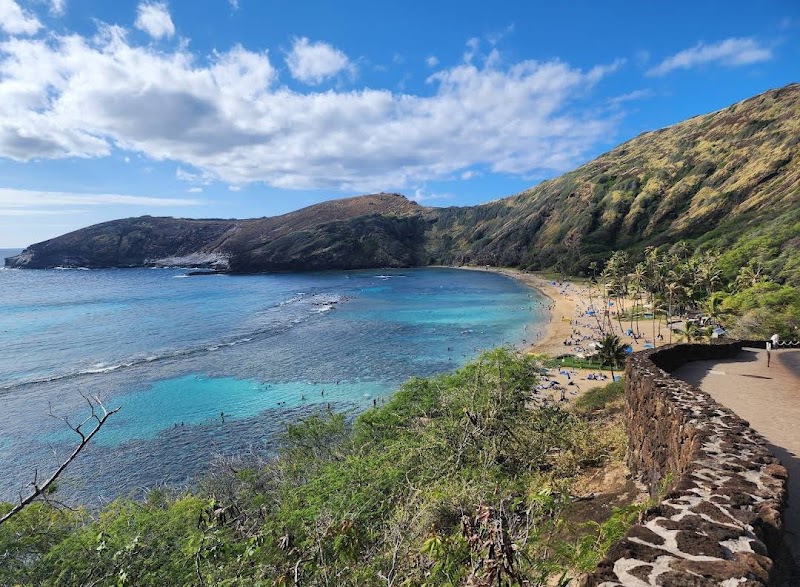
One of South Shore’s jewels, Hanauma Bay Nature Preserve, opens early and enforces strict conditions to protect marine life and ensure safety. Arriving early helps avoid crowds and gives you access to calmer waters. Beyond Hanauma, spots like Turtle Canyon and Electric Beach demand attention to weather updates and surf reports. Currents here have personalities, pushing you along or daring you to hold steady.
Diving or snorkeling is best approached as a dialogue with the sea, a fierce yet beautiful force to engage with on its terms. Prepare with knowledge of tides, weather, and seasonal shifts to transform your trip into an adventure where the ocean meets you halfway with clarity, calm or challenge.
Practical preparation, coupled with timing wise to the South Shore’s natural pulse, guarantees you more than a visit—you gain a conversation with an ecosystem that’s dynamic, alive, and fiercely itself.
Nearby Trips
All Adventures
Boat Charters
Water Activities
Adventures near Honolulu
Discover the unique and memorable adventures that make Honolulu special.
Frequently Asked Questions
When is the best time of day for snorkeling on Oahu’s South Shore?
Early mornings between 7 a.m. and 10 a.m. offer the calmest waters and best visibility before trade winds increase wave action.
Are there any hazards specific to South Shore snorkeling and diving?
Strong currents and surge, especially during winter and changing tides, can be challenging. Knowing local surf conditions and tides is critical for safety.
Do I need a permit to snorkel at Hanauma Bay?
Yes, Hanauma Bay requires an entrance fee to protect the reserve, and it’s open only during specific hours with visitor limits to sustain ecosystem health.
What marine life can I expect to see along the South Shore?
Expect vibrant reef fish, green sea turtles, and if lucky, reef sharks and exotic corals that thrive in the protected bays and coves.
Is snorkeling dangerous for beginners in this area?
While many spots are beginner-friendly during calm summer months, beginners should avoid rough seas, always snorkel with a buddy, and stay within shallow reef areas.
How does the tide affect snorkeling conditions here?
Mid to high tides allow better reef access without scraping coral and often bring clearer water by pushing sediment away, improving visibility.
Recommended Gear
Mask and Snorkel Set
A quality mask and snorkel ensure clear vision and easy breathing in varying water conditions.
Reef-Safe Sunscreen
Protects your skin without harming coral reefs; especially important during the sunny summer months.
Wetsuit or Rash Guard
Helps regulate body temperature and shields against sun and abrasive coral, useful in cooler or rougher waters.
Waterproof Dive Watch or Dive Computer
Keeps track of dive time and depth to enhance safety and help monitor underwater exposure.
Local Insights
Hidden Gems
- "Electric Beach – noted for large schools of fish and sea turtles, accessed with careful tide planning."
- "Cove 6 at Hanauma Bay – less crowded spot with vibrant anemones."
Wildlife
- "Hawaiian Green Sea Turtles (honu)"
- "Reef Triggerfish"
- "Spinner Dolphins offshore"
History
"Hanauma Bay, once a volcanic crater, was transformed into a nature preserve in 1967, serving as a model of marine conservation and community stewardship in Hawaii."