Surf lessons for kids in Hawaii promise a blend of excitement and skill-building along some of the world’s most iconic waves. Equip your child with the right gear and comfort strategies to ensure their ocean adventure is both safe and unforgettable.
Choose the Right Kid-Friendly Board
Opt for foam surfboards sized appropriately to your child’s height and weight for maximum stability and safety in beginner lessons.
Apply Reef-Safe Sunscreen Generously
Protect young skin from intense sun exposure and support local marine health by using biodegradable, reef-safe sunscreen before and during surf lessons.
Wear Reef-Safe Surf Booties
Prevent cuts and improve traction on slippery reef and rocky entry points with lightweight, flexible surf booties designed for kids.
Schedule Lessons for Early Morning
Take advantage of calmer waters and smaller swells in the early morning, which creates a more forgiving learning environment for beginners.
Riding the Waves: Essential Gear and Comfort Tips for Kids in Hawaiian Surf Lessons
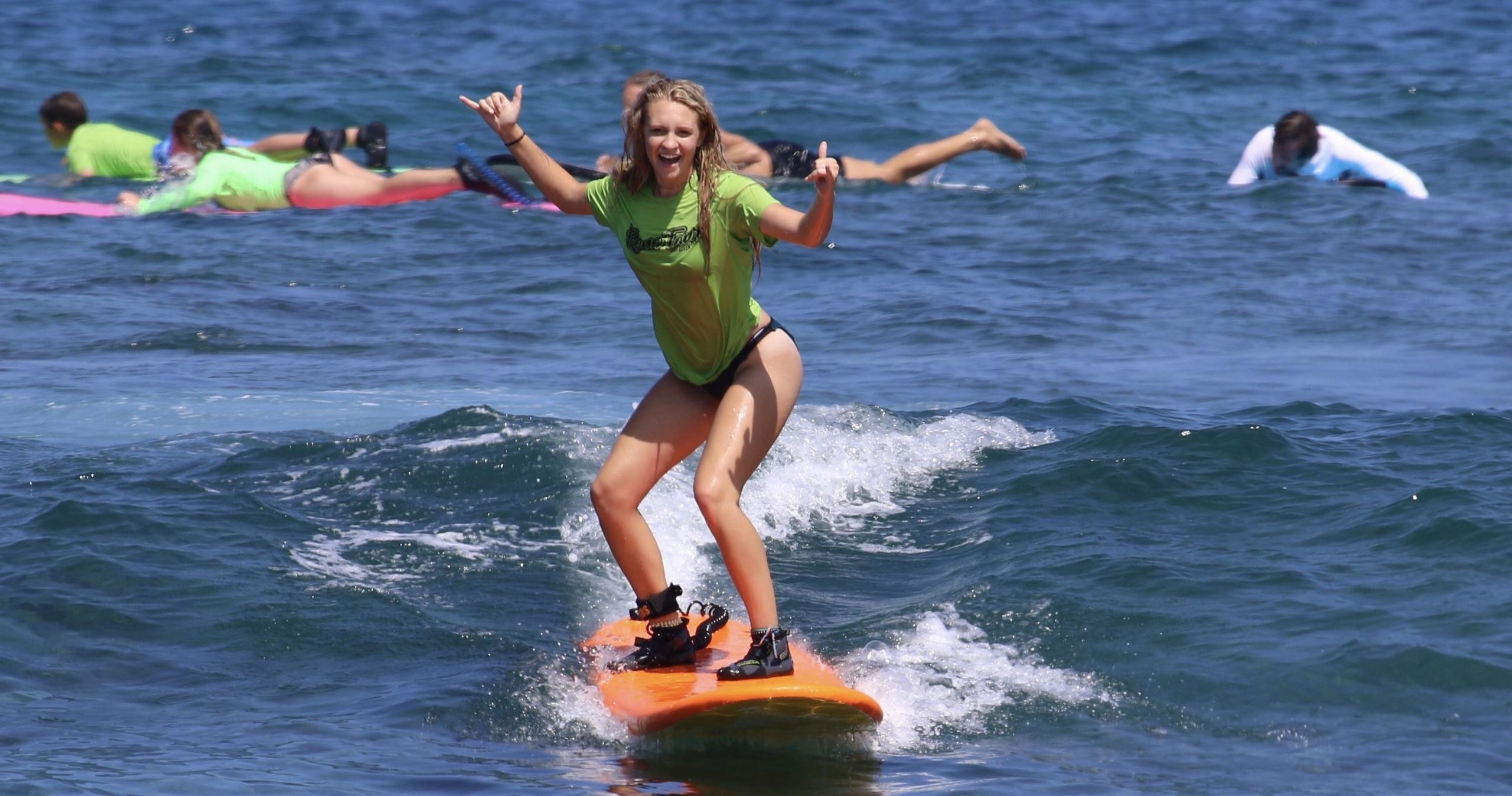
Private Lesson
1.5 Hours • 1-on-1 Attention
Kona Town Surf Adventures offers personalized surf lessons perfect for children and beginners in Kailua-Kona. Enjoy 1.5 hours of tailored coaching in one of Hawaii’s most surf-friendly spots—an ideal way to gain confidence in the water.
Learning to surf in Hawaii with kids ignites a unique mix of thrill and focus. The ocean here is fiercely alive, with swells that push forward relentlessly and waves that dare young surfers to meet their challenge. Setting your child up with the right gear and comfort strategies isn’t just practical—it’s the foundation for a fun, safe, and confidence-building experience.
Start with a surfboard designed specifically for kids. Foam boards are ideal for beginners—they provide buoyancy and stability without the sharp edges of fiberglass boards. Ensure the board is the right size relative to your child's height and weight; a board too big can be cumbersome, while one too small won’t offer the necessary support.
Next, the wetsuit—or rather, a rash guard paired with board shorts for the warmer waters common to Hawaiian beaches like Waikiki or Lahaina. Rash guards protect delicate skin from sunburn and board rash when kids tumble off their boards or brush against rough coral, while the salty sun demands a high SPF waterproof sunscreen. Apply generously before hitting the water and reapply regularly.
Footwear is often overlooked but invaluable. Reef-safe surf booties shield little feet from reef cuts and slippery rocks during entry and exit from the ocean. These booties also improve traction, so your child feels steady when standing on the board or paddling along the shore break.
Comfort on the beach forms the third pillar of preparation. Pack a wide-brimmed hat and polarized sunglasses for when your child rests between sessions. Hydration is critical: the Hawaiian sun, reflective sands, and sea spray conspire to dry out young adventurers faster than expected. Bring plenty of water, plus hydrating snacks like fresh fruit or coconut water to replenish energy and minerals.
Finally, time your lessons carefully. Mornings often deliver gentler swells and calmer winds, ideal conditions for beginners. By mid-afternoon, trade winds kick in, stirring the waves and offering more challenge to those ready for it. Know the local tide schedules: low tide can expose more coral and rocks while high tide softens the breaks.
Embracing these gear essentials and comfort tips ensures kids approach their Hawaiian surf lessons with readiness, resilience, and respect for the ocean’s pulse. This balance between preparedness and adventure invites young surfers to grow into each swell with confidence and joy.
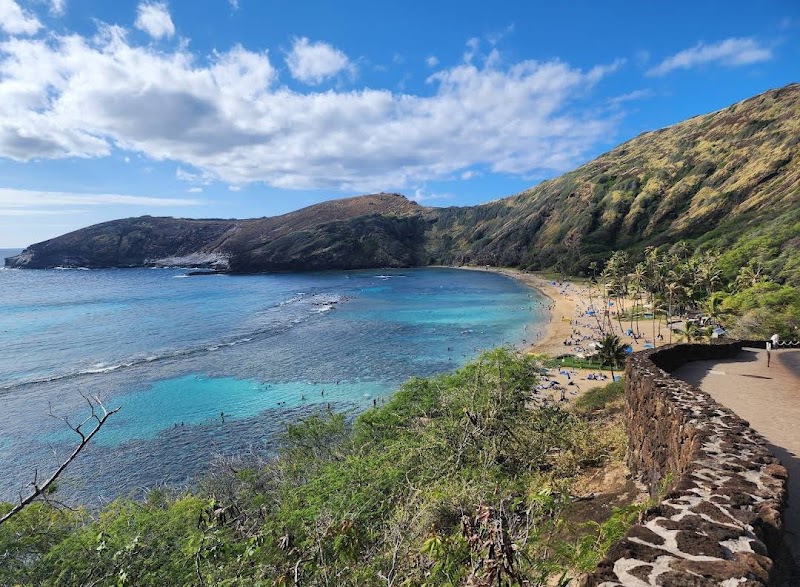
Nearby Trips
All Adventures
Boat Charters
Water Activities
Adventures near Honolulu
Discover the unique and memorable adventures that make Honolulu special.
Frequently Asked Questions
What age is best for kids to start surf lessons in Hawaii?
Many schools recommend starting around age 5 or 6 when kids can follow instructions and swim comfortably. Early lessons focus more on water familiarization than riding waves.
Are Hawaiian surf spots safe for beginner kids?
Safe spots like Waikiki offer gentle, rolling waves perfect for beginners. Experienced instructors choose beaches with sandy bottoms and manageable swells, avoiding rough reef breaks for kids.
Do kids need wetsuits in Hawaiian waters?
Generally no; Hawaiian waters stay warm year-round (around 78-82°F), so rash guards suffice in most seasons, except for rare cooler winter days where lightweight wetsuits may be beneficial.
How can I keep my child comfortable between lessons?
Bring hydration, snacks, shade like umbrellas or hats, and offer rest to prevent fatigue from sun exposure and physical exertion. Changing into dry clothes also helps avoid chills.
What local wildlife should kids be aware of while surfing in Hawaii?
Honest encounters include curious sea turtles and passing reef fish. While rare, watch for jellyfish or sea urchins near reefs. Always heed instructor warnings for specific beach conditions.
Are there specific Hawaiian cultural practices linked to kids learning to surf?
Yes, surfing (he'e nalu) is deeply rooted in Hawaiian culture. Many instructors teach respect for the ocean as a living force and often share traditional knowledge about waves and etiquette in the water.
Recommended Gear
Child-Sized Foam Surfboard
Provides safe buoyancy and stability for beginners learning fundamentals on Hawaiian waves.
Rash Guard
Protects the skin from sunburn and irritation from board contact, crucial under tropical sun.
Reef-Safe Surf Booties
Protect little feet from sharp reef and rocky sea beds, enhancing safety during beach entry and exit.
Waterproof Sun Hat
Keeps young faces shaded between lessons, helping prevent sun fatigue and heat exhaustion.
Local Insights
Hidden Gems
- "Magic Island Lagoon for calmer waters and beginner-friendly waves"
- "Kaimana Beach’s less crowded surf breaks perfect for kids"
- "Ewa Beach’s flat waters on certain tides"
Wildlife
- "Green sea turtles (Honu) often swim near teaching spots"
- "Hawaiian monk seals occasionally rest on nearby shores"
- "Colorful reef fish darting near shorelines"
History
"Surfing here dates back centuries as a sacred Hawaiian practice. Ancient kings surfed these waves, emphasizing connection to the sea and community responsibility. Modern schools perpetuate this respect."