Yacht cruising in Honolulu depends on mastering the dance of winds and weather across the Pacific waters. Discover the best months to sail, key weather patterns to watch, and practical tips to navigate this vibrant marine environment safely and enjoyably.
Check Daily Wind Forecasts
Use reliable sources like the National Weather Service or Windy.App to monitor trade winds and Kona wind patterns before departure.
Plan for Early Morning Starts
Calmer waters and lighter winds at dawn create ideal conditions for departure and initial navigation.
Opt for Sheltered Anchorages
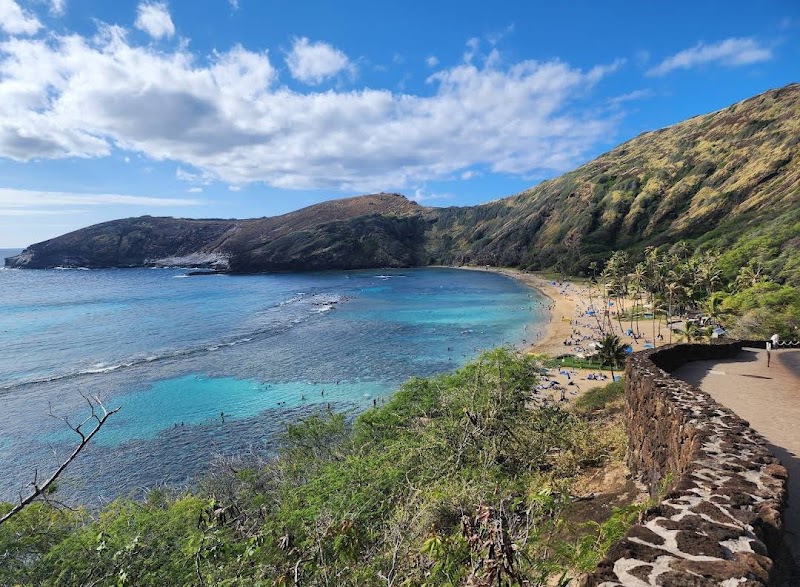
Hanauma Bay and Keehi Lagoon offer protection from open ocean swells, ensuring safe overnight mooring.
Hydrate and Protect from UV
High sun and salty air increase dehydration risk; keep water handy and wear UV-protective clothing and sunscreen.
Navigating the Winds: Timing and Weather Factors Impacting Yacht Cruising in Honolulu

7 Hour Cruise | 7-12 Guests
Private Bareboat Charter • 7 Hour Cruise • 7-12 Guests
Embark on a luxurious 7-hour yacht cruise in Honolulu with Lokahi Cruises. Enjoy snorkeling, stunning coastal views, and delicious food—all aboard an intimate vessel. Create lasting memories soaking in Hawaii’s vibrant marine and scenic beauty from the water.
Honolulu’s sparkling waters invite yacht enthusiasts from around the world, but the magic of cruising here depends heavily on timing and weather. The Pacific plays a living role—its winds and currents pushing forward or pulling back, shaping your journey. Understanding how these natural rhythms shift through the year transforms your yacht experience from uncertain to strategic.
The prime cruising months stretch from May to October, when trade winds settle into steady rhythms, typically blowing from the northeast between 10-20 knots. These winds offer reliable propulsion, carving smooth courses past landmarks like Diamond Head and the Mokulua Islands while the sun rides high in a dry sky. The air feels crisp and responsive. For captains and crews, this season means consistent weather forecasts and calmer seas, ideal for exploration and longer journeys.
Winter months, from November through March, bring a different set of challenges. Storm systems stirring north of Hawaii send swells crashing against the shore and scatter unpredictable wind patterns. Gusts can shift dramatically, demanding alertness and adaptability from sailors. Rain clouds hover, occasionally draping the city in refreshing showers that coax the land to bloom. Visibility can drop suddenly, and the ocean’s temperament grows fiercer—here, timing becomes a tool for safety, not just convenience.
Humidity fluctuates with the seasons, hovering around 70–80% but dropping noticeably in the summer trade wind months. Mornings often greet sailors with calm glass surfaces, while afternoons usher in steady breezes that invite movement and momentum. Sea temperatures remain inviting year-round, generally maintaining between 77°F and 82°F (25-28°C), ensuring that water-based activities like swimming, snorkeling, or diving naturally complement the cruising plans.
Crucial practical advice focuses on early departures and tracking weather models closely. Sunrise hours often present the calmest conditions before the trade winds enliven the surface. The Kona winds—a lesser predictable southerly breeze—may intervene sporadically in winter, demanding swift course adjustments. Charting daily wind forecasts through resources like the National Weather Service and Windy.App ensures informed decisions, crucial for both novice sailors and experienced skippers.
Anchorage choice also ties into weather timing; Hanauma Bay and Keehi Lagoon provide sheltered havens when swells rise elsewhere. Meanwhile, watching the sky for fast-moving clouds and shifting wind direction offers real-time cues from nature’s own navigation system. Remember, the ocean is fiercely itself here—not an obstacle to overcome but a force to engage with tactically.
Preparing your crew and gear for fluctuating UV exposure and sudden showers is essential, as the sun’s strength climbs quickly when clouds part. Hydration aboard remains priority number one, given the mix of salty air and sunlit hours. Layered clothing, quick-dry materials, and steady weather updates turn excitement into a seamlessly managed adventure.
Honolulu’s yacht cruising is an invitation to read the environment like a seasoned mariner—balancing anticipation with respect for the ocean’s moods. The dance between timing and weather here isn't merely background; it directs your voyage, setting the stage for safe passage and memorable horizons.
Nearby Trips
All Adventures
Boat Charters
Water Activities
Adventures near Honolulu
Discover the unique and memorable adventures that make Honolulu special.
Frequently Asked Questions
When is the best time to avoid strong winds while cruising in Honolulu?
Early morning hours generally offer the calmest waters with lighter winds before the trade winds build up in mid to late morning, making dawn departures ideal for smoother sailing.
What are Kona winds and how do they affect yacht cruising?
Kona winds are southerly or southwesterly winds typically occurring in winter. They can bring sudden gusts, heavier swells, and unpredictable conditions, requiring careful planning and sometimes postponing sails.
Are there protected anchorages within easy reach of Honolulu?
Yes, locations such as Hanauma Bay and Keehi Lagoon provide natural shelter from rough seas and swells, making them preferred anchorage spots when weather conditions deteriorate.
What wildlife might I encounter while yacht cruising around Honolulu?
Keep an eye out for spinner dolphins playing in bow waves, green sea turtles basking near shore, and occasional humpback whales during winter migration months.
Is special gear needed for night cruising around Honolulu?
Night cruising demands reliable navigation lights, clear chart plotters, and weather radios. Dress in layers due to cooling temperatures, and always maintain extra vigilance for changing weather.
How does Honolulu’s tropical climate impact yacht maintenance?
Constant exposure to saltwater and sun accelerates wear on sails and hull. Regular rinsing with fresh water and UV-protective covers help prolong equipment life.
Recommended Gear
Windbreaker Jacket
Protects against chilly Kona winds and sudden weather changes, especially useful in winter months.
UV-Protective Clothing
Lightweight long sleeves and hats shield skin from strong Hawaiian sun during peak trade wind seasons.
Waterproof Dry Bag
Keeps electronics, documents, and valuables safe from spray and unexpected rain.
Reusable Hydration System
Staying hydrated in the sun and salt air is vital; a hands-free hydration pack or multiple water bottles work well.
Local Insights
Hidden Gems
- "Puuloa Reef offshore offers vibrant snorkeling spots not visible from shore."
- "Makapu'u Lookout provides a stunning vantage point watching yachts glide out to sea."
Wildlife
- "Spinner dolphins that sometimes swim alongside yachts during morning hours."
- "Green sea turtles often surface near reef flats along southeastern Honolulu coast."
History
"Honolulu Harbor has served as a central maritime hub since the early 19th century, evolving from a whaling port into a vibrant international cruising gateway."