Capturing Hawaii’s ocean views at sunset requires more than timing—it’s about understanding how light interacts with the sea and sky. Learn practical tips for choosing vantage points, tracking changing colors, and preparing for the terrain to make the most of this daily natural spectacle.
Arrive Early to Track Light Changes
Sunset lighting shifts rapidly. Arriving 30-45 minutes early lets you set up and catch the evolving colors rather than missing key moments.
Wear Sturdy Footwear
Ocean viewpoints often require hiking over uneven volcanic terrain or gravel trails. Shoes with solid grip reduce the risk of slips.
Pack a Tripod for Low Light
As the sun fades, longer exposures are necessary for sharp photos. A tripod stabilizes your shot without sacrificing quality.
Bring Water and a Windbreaker
Ocean breezes intensify around sunset. Hydration and wind protection keep you comfortable during the hike and photo session.
Mastering Sunset Lighting for Capturing Hawaii's Peak Ocean Views

Sunset Tour
Age 18+ to book • 3 Hours • Up to 6 People
Join Hawaii Whale Tale Tours for an unforgettable sunset and fishing trip off Honolulu. Reel in pelagic fish as the sky turns vibrant, creating memories to last a lifetime.
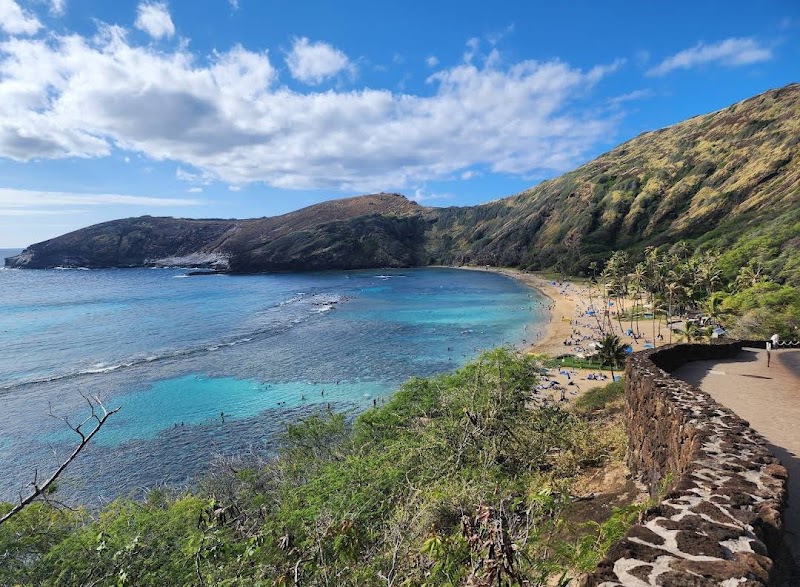
Hawaii’s sunsets are a daily show where light and ocean meet in a brief, electric moment. To truly capture these scenes, timing and understanding how sunset lighting behaves along the shore are crucial. As the sun dips, its golden rays stretch low, brushing the ocean’s surface with colors that range from fiery orange to soft magenta. This transient light sculpts the coastline, revealing texture in the rocks and depth in the waves. Knowing when and where to position yourself makes all the difference.
Start by scouting vantage points with a clear westward view—cliffs along Oahu’s Makapu’u Point or Kauai’s Poipu Beach are prime candidates. The sun won’t just set; it will engage with clouds, water, and volcanic formations around you, shifting the palette every few minutes. Aim to arrive 30 to 45 minutes before sunset to catch the gradual changes and set up your gear.
The quality of light changes rapidly. Early during the golden hour, the sun casts warm, direct light, ideal for crisp, well-lit ocean shots that highlight color contrasts. As it nears the horizon, light softens and diffuses, outlines become silhouettes, and shadows stretch longer, creating moodier frames. If clouds drift in front of the sun, they can turn the sky into a glowing canvas—but beware, dense clouds can quickly obscure the scene.
Pay attention to the terrain leading to your viewing spot. Trails can range from well-trodden dirt paths to uneven volcanic rock with occasional roots and loose gravel. For example, the Makapu’u Lighthouse Trail covers approximately 2.5 miles round trip with an elevation gain of 450 feet. The path is steady but requires good footwear to navigate rocky sections. Forested switches offer shade and the sound of rustling foliage, but the trail opens up to reveal relentless ocean breezes pushing the air toward the cliffs.
Hydrate before, during, and after your hike, and pack a light windbreaker. The late afternoon trade winds in Hawaii often intensify unexpectedly, urging you forward as if the island itself insists you keep pace with the setting sun.
For photography, use a tripod for longer exposures as light wanes. Experiment with wide-angle lenses to capture sweeping coastal panoramas or zoom for wave detail against volcanic outcrops. Filters can help balance bright sky and darker shoreline, so bring polarized or neutral density lenses.
Respect the environment and local safety guidelines. Stay behind barriers, keep to trails, and avoid getting too close to unstable cliff edges. The sunset might invite bold shots, but nature holds the final word.
In mastering sunset lighting for Hawaii’s ocean views, you engage with a natural force that demands both preparation and reverence. The rewards are moments of quiet power and beauty that your camera—and your memory—will hold long after twilight fades.
Nearby Trips
All Adventures
Boat Charters
Water Activities
Adventures near Honolulu
Discover the unique and memorable adventures that make Honolulu special.
Frequently Asked Questions
What is the best time to photograph the sunset over the ocean in Hawaii?
Aim for 30 to 45 minutes before the official sunset time to observe the golden hour lighting. This period offers the richest colors and shifts in light needed to capture dramatic ocean views.
Are there any less crowded spots for sunset viewing near Honolulu?
The Makapu’u Point Lighthouse Trail offers expansive views with fewer visitors than Waikiki Beach. Arriving early helps secure a good vantage point.
Can I hike these trails year-round?
Yes, but weather varies. Summers are warmer, while winter can bring stronger winds and occasional rain. Adjust hiking plans accordingly and check forecast updates.
What local wildlife might I encounter during sunset hikes?
Watch for seabirds like shearwaters as they return to roost, and if hiking in winter months, offshore you may spot humpback whales breaching against the horizon.
Are there any cultural or historical sites along these sunset trails?
Makapu’u Point features a historic lighthouse from 1909, offering both atmospheric views and a connection to Hawaii's maritime past.
What environmental practices should I follow when hiking in these coastal areas?
Stay on marked trails to prevent erosion, pack out all trash, and avoid disturbing native plants or animals to protect the fragile coastal ecosystem.
Recommended Gear
Sturdy Hiking Shoes
Provides traction and foot protection on uneven, rocky trails leading to ocean viewpoints.
Tripod
Necessary for stabilizing your camera during low-light sunset shots and long exposures.
Water Bottle
Hydration is key when hiking in warm conditions and combating ocean breeze.
Windbreaker
Protects against chilly trade winds that often intensify late in the day near the shore.
Local Insights
Hidden Gems
- "Silent benches near Makapu’u overlook providing quiet reflection spots."
- "Sea caves reachable at low tide around Poipu Beach provide unique photo angles."
Wildlife
- "Wedge-tailed shearwaters nesting on cliffs in summer."
- "Seasonal appearances of green sea turtles nearshore at dusk."
History
"The Makapu’u Lighthouse, constructed in 1909, is the easternmost point on Oahu and played a key role in maritime navigation along the Pacific trade routes."