Discover how to respectfully engage in Hawaiian hula and lei-making at an Oahu luau. This guide blends practical tips with cultural insights to help you honor the traditions behind these iconic island experiences.
Arrive Early for Workshops
Give yourself time to participate fully in pre-show hula and lei-making classes without feeling rushed.
Follow Kumu Hula's Lead
Observe carefully and respect instructions—hula movements have deep meanings beyond the dance.
Handle Lei Materials with Care
Treat flowers and leaves gently to honor the natural elements and cultural significance of the lei.
Dress Modestly and Comfortably
Wear breathable, respectful clothing that allows movement and suits Oahu’s warm climate during luaus.
Mastering Hawaiian Cultural Etiquette: Hula and Lei-Making at Oahu's Luau
Splash Premium
Experience the vibrant traditions of Hawaii at Ka Moana Luau in Honolulu, where interactive activities, island cuisine, and spectacular performances come together to create an unforgettable evening under the stars. Perfect for travelers seeking cultural engagement and lively entertainment, this luau offers a genuine taste of Hawaiian heritage. Read on to discover what makes this event a must-do during your visit to Oahu.
Participating in a luau on Oahu offers more than just a feast; it’s a gateway to the rich heritage of Hawai‘i, where hula dancing and lei-making are living traditions that welcome you as a respectful guest. These art forms are sacred expressions of story, identity, and connection to the land and ancestors. Approach the experience with curiosity and mindfulness, knowing that each movement and flower carries meaning fiercely protected by those who practice them.
When learning hula, observe before you try. Motions aren’t random—they narrate tales of ocean waves, winds, or mountain winds that shape Hawai‘i’s spirit. Stay present, match the rhythm of the chant or music, and avoid rushing. Respect the kumu hula (hula teacher) and follow instructions carefully; this isn’t just dance, it’s a form of honoring culture through discipline and grace. Dress modestly, avoid intrusive photography during performances, and always ask permission if you want to record.
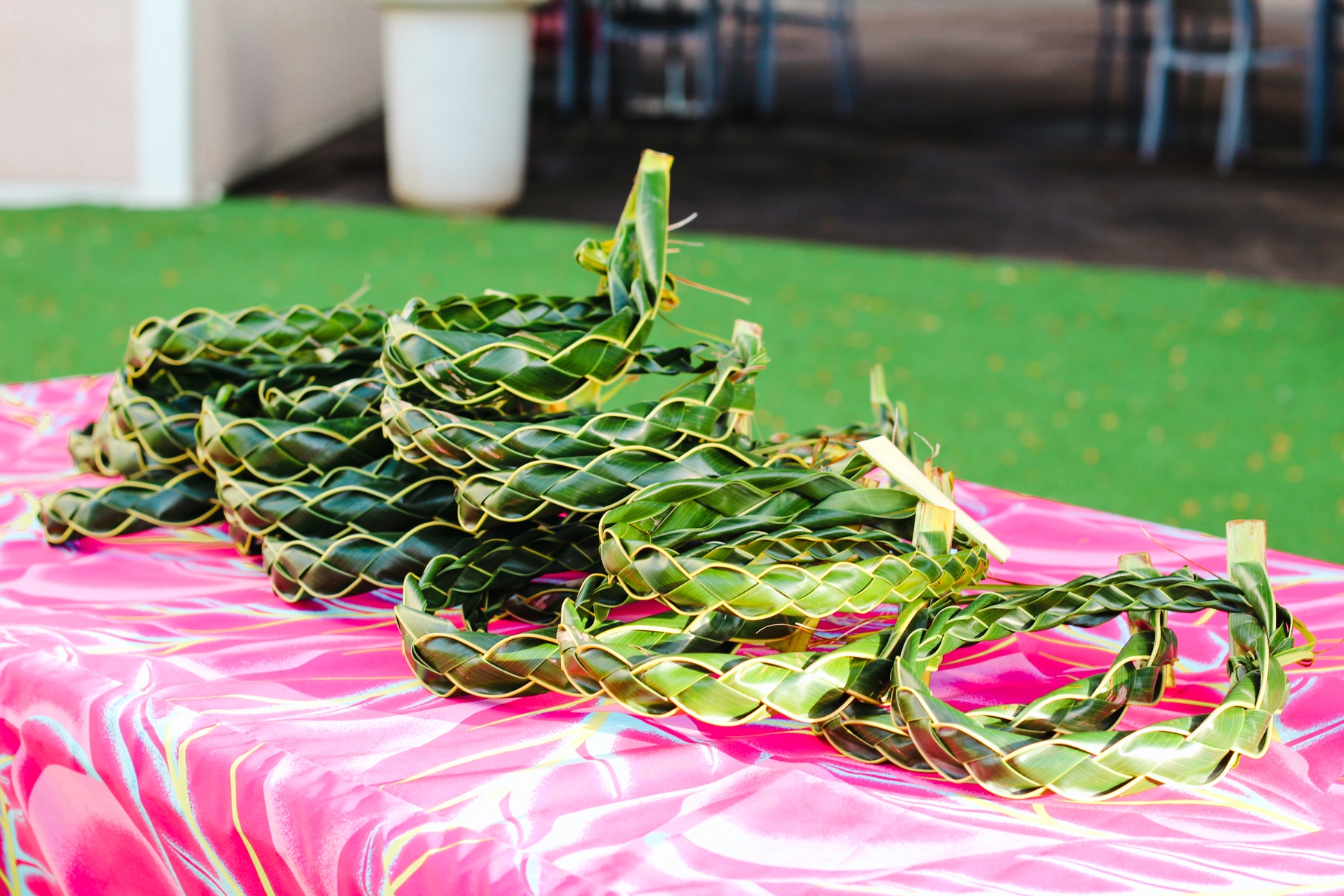
Lei-making, woven from orchids, maile, or plumeria, goes beyond crafting a garland. Each lei is an offering of Aloha, symbolizing respect and welcome. Handle materials gently and take cues from your instructor. Understand that leis have specific uses—some are for celebrations, others for remembrance. Accept the instruction on how to wear a lei properly (never hang below the knees or toss it carelessly). Your hands are carriers of intent; treat the task as a quiet conversation with nature.
Timeliness matters in luau culture; arrive early enough to settle in and fully engage in pre-show workshops without distraction. Hydrate beforehand and wear light, breathable clothing suitable for the island’s heat, as you’ll likely stand or move during demonstrations.
Cultural etiquette is rooted in humility and presence. By tuning into this, you embrace the spirit of aloha in its fullest form—reverence, joy, and connection. Whether swaying in your first hula steps or weaving your first lei, remember, you’re participating in a tradition fiercely alive, fiercely itself, inviting you to listen and learn rather than simply watch.
Nearby Trips
All Adventures
Boat Charters
Water Activities
Adventures near Honolulu
Discover the unique and memorable adventures that make Honolulu special.
Frequently Asked Questions
Can beginners with no dance background participate in hula workshops?
Absolutely. Hula workshops at luaus welcome all skill levels. Instructors emphasize respect, rhythm, and story, guiding beginners patiently.
Are lei-making materials local and sustainable?
Most luaus source lei materials locally, often using sustainably harvested flowers and plants indigenous to Hawai‘i, supporting environmental stewardship.
Is it appropriate to photograph hula performers during the show?
It’s best to ask before taking photos, especially during ceremonial or sacred segments. Some luaus have clear rules about photography to honor the performance’s integrity.
How should I wear a lei respectfully after making or receiving one?
Wear your lei over the shoulders above the waist. Avoid drooping it below the knees or throwing it away, which can be seen as disrespectful.
Are luaus family-friendly for children interested in culture?
Yes. Many luaus offer interactive cultural activities suitable for kids, though it’s helpful to check ahead on specific program offerings.
What is the cultural importance of the kumu hula at luaus?
The kumu hula is the keeper of hula knowledge and tradition. Their role is vital for preserving authenticity and passing down the cultural stories embodied in the dance.
Recommended Gear
Lightweight Clothing
Breathable fabrics keep you comfortable during warm, often humid conditions at luaus.
Sun Protection
Sunscreen and a hat guard against Oahu’s midday sun, especially during outdoor workshops.
Reusable Water Bottle
Staying hydrated maintains your energy through active participation in dance and crafting.
Closed Toe Shoes
Supportive shoes are recommended if there’s any walking on uneven terrain near luau venues.
Local Insights
Hidden Gems
- "Sunset Beach Viewpoint behind many luau venues offers breath-catching ocean panoramas."
- "Nearby fishpond ruins remind visitors of ancient Hawaiian aquaculture."
Wildlife
- "Watch for native birds such as the ‘I‘iwi and Nene goose around luau grounds."
- "Occasionally, Hawaiian green sea turtles rest near coastal luaus."
History
"Luaus originated as sacred communal gatherings celebrating significant events, with hula and lei-making deeply woven into Hawaiian identity and storytelling."