Encounter Hawaii's iconic sea turtles with confidence by choosing the right snorkeling gear. This guide balances practical gear advice with tips for respecting and experiencing these gentle ocean travelers in their natural habitat.
Select a Mask with a Wide Field of Vision
A wide-angle mask lets you spot sea turtles early and enjoy their movements without turning your head too much underwater.
Use Fins That Fit Comfortably
Choose adjustable fins with the right balance of power and agility to conserve energy and maneuver gently around coral reefs.
Respect Turtle Space
Maintain at least 10 feet distance from turtles to avoid causing stress or disturbance; approach slowly and calmly.
Rinse Gear After Each Use
Flush your mask, snorkel, and fins with fresh water to prevent salt buildup and prolong equipment life.
Choosing the Best Snorkeling Gear for Hawaiian Sea Turtles: A Practical Guide
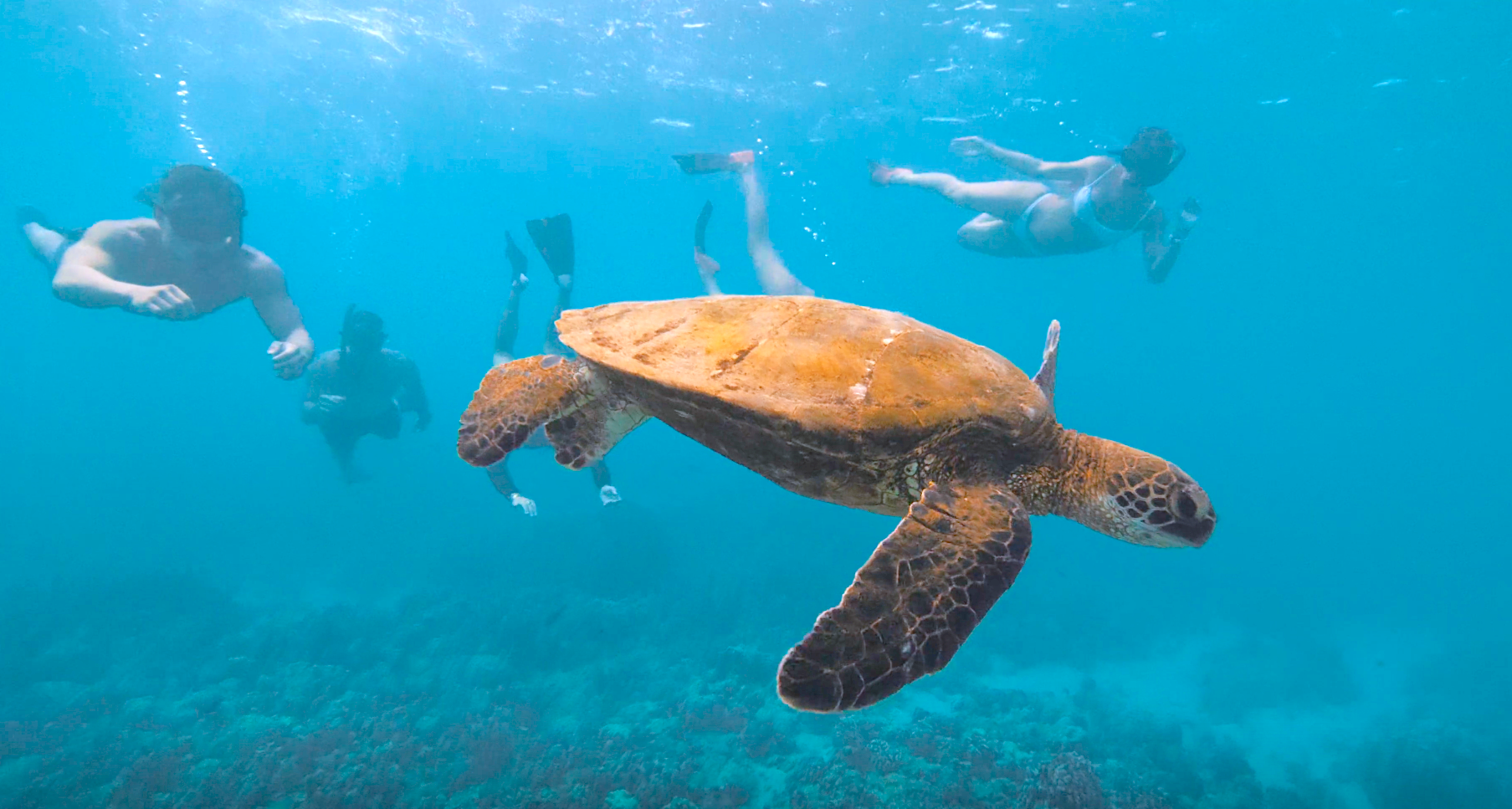
Ko Olina Four Seasons Snorkel
Shared or Private Charter • 2 Hours Sail • All Ages • Mon, Wed, Sat
Discover Hawaii’s vibrant marine ecosystem with a private snorkel tour from Kapolei. Perfect for all skill levels, this adventure delivers breathtaking underwater sights and pristine coastal views. Dive into an unforgettable Hawaiian ocean experience with Mana Cruises.
Hawaii’s warm, crystal-clear waters invite adventurers to slip beneath the surface and meet one of the islands’ most cherished residents: the Hawaiian green sea turtle. Snorkeling with these calm ocean travelers is a thrill that blends awe with gentle respect for a creature fiercely itself. To get the most from this encounter, selecting the right gear is essential—gear that enhances your experience without impeding it.
Start with your mask. A well-fitting snorkel mask is non-negotiable; it should seal firmly without pinching, ensuring you can keep your eyes open comfortably to spot turtles grazing on algae. Opt for masks with tempered glass lenses for safety and a wide field of vision to catch every slow, deliberate turn of a sea turtle’s flipper.
Your snorkel needs to be simple yet functional—look for one with a splash guard and a purge valve. These features keep water out and make clearing the snorkel easy if a wave pushes in. A flexible mouthpiece designed for comfort matters, especially since you’ll be breathing steadily while observing.
Fins are your engines underwater, and efficiency here means less effort swimming against currents that dare to push you along Hawaii’s reef edges. Choose fins that fit snugly but don’t cramp your feet, preferably adjustable if you’re trying multiple styles. Shorter fins offer better maneuverability in coral and rocky areas where green sea turtles often feed.
Don’t overlook protection: a rash guard or wetsuit offers sun defense and shields you from rough coral and accidental scrapes. The water temperature ranges from 75°F to 82°F, so a lightweight wetsuit usually suffices year-round.
Knowing the practical details elevates your encounter. Sea turtles are protected by law, so maintain a respectful distance—no chasing, touching, or disturbing them. Approach calmly, letting the underwater currents and the gentle assertiveness of the turtles set your pace.
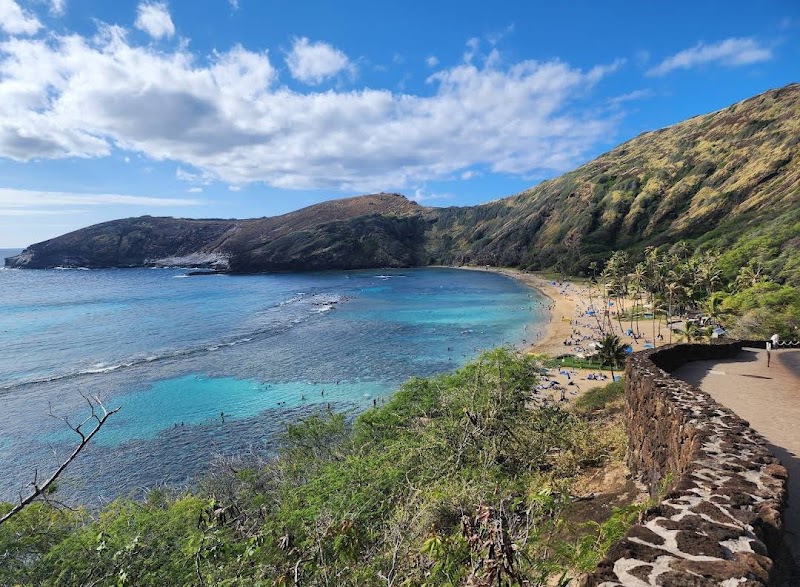
Gear maintenance matters: rinse your mask and snorkel with fresh water post-adventure to remove salt and extend usability. And finally, choose a snorkeling site frequented by turtles like Ka'anapali Beach or Hanauma Bay near Honolulu, where currents ebb and flow with a pace manageable for most snorkelers.
The Hawaiian sea turtle is patient and deliberate; matching your gear and approach to this rhythm creates an encounter that’s thrilling, safe, and unforgettable. With the right equipment and a grounded mindset, your snorkel trip will connect you deeply with Hawaii’s ocean life.
Nearby Trips
All Adventures
Boat Charters
Water Activities
Adventures near Honolulu
Discover the unique and memorable adventures that make Honolulu special.
Frequently Asked Questions
What is the best way to approach Hawaiian sea turtles while snorkeling?
Approach slowly and calmly from the side or behind, staying at least 10 feet away. Avoid sudden movements or touching them, as this stresses the turtles and is prohibited by law.
Are there specific snorkeling locations in Hawaii known for turtle sightings?
Yes, Hanauma Bay near Honolulu, Ka'anapali Beach on Maui, and Poipu Beach on Kauai are reliable spots. These areas have protected reefs where turtles frequently feed.
Is it necessary to have advanced swimming skills to snorkel with sea turtles in Hawaii?
Basic swimming skills and comfort in the water are sufficient. Many turtle-friendly spots have calm waters. Beginners should consider guided tours for added safety.
What environmental practices should snorkelers follow around turtles?
Never touch or chase turtles, avoid standing on coral reefs, use reef-safe sunscreen, and dispose of trash properly to protect these delicate ecosystems.
Can I use any snorkel gear rental, or should I bring my own?
Rentals are available, but personal gear ensures a better fit and hygiene. Proper fit is crucial for masks and fins to avoid discomfort and improve your experience.
What time of day is best to snorkel if I want to see sea turtles?
Morning hours often provide the best visibility and calmer seas. Turtles feed actively during the day, especially in mid-morning, so plan your session accordingly.
Recommended Gear
Tempered Glass Snorkel Mask
Provides clear, safe vision underwater with a secure seal for comfort during long snorkel sessions.
Snorkel with Splash Guard and Purge Valve
Minimizes water intrusion and eases clearing, keeping breathing smooth even in light waves.
Adjustable Swim Fins
Ensures efficient propulsion with comfort and maneuverability critical for reef navigation.
Lightweight Rash Guard or Wetsuit
Protects from sunburn and abrasions, especially useful in cooler months or sensitive skin conditions.
Local Insights
Hidden Gems
- "The tide pools near Makapu'u on Oahu offer secluded turtle watching spots away from busy beaches."
- "At Kahe Point Beach, a lesser-known rocky cove, turtles often swim close to shore in calmer waters."
Wildlife
- "Aside from green sea turtles, look for Hawaiian monk seals resting on remote beaches and colorful reef fish darting near coral."
- "Butterflyfish, parrotfish, and triggerfish populate reefs in the same neighborhood as turtles."
History
"Hawaiian green sea turtles are revered in local culture and mythology, often viewed as aumakua (family guardians). Their protection is intertwined with traditional respect for the ocean."